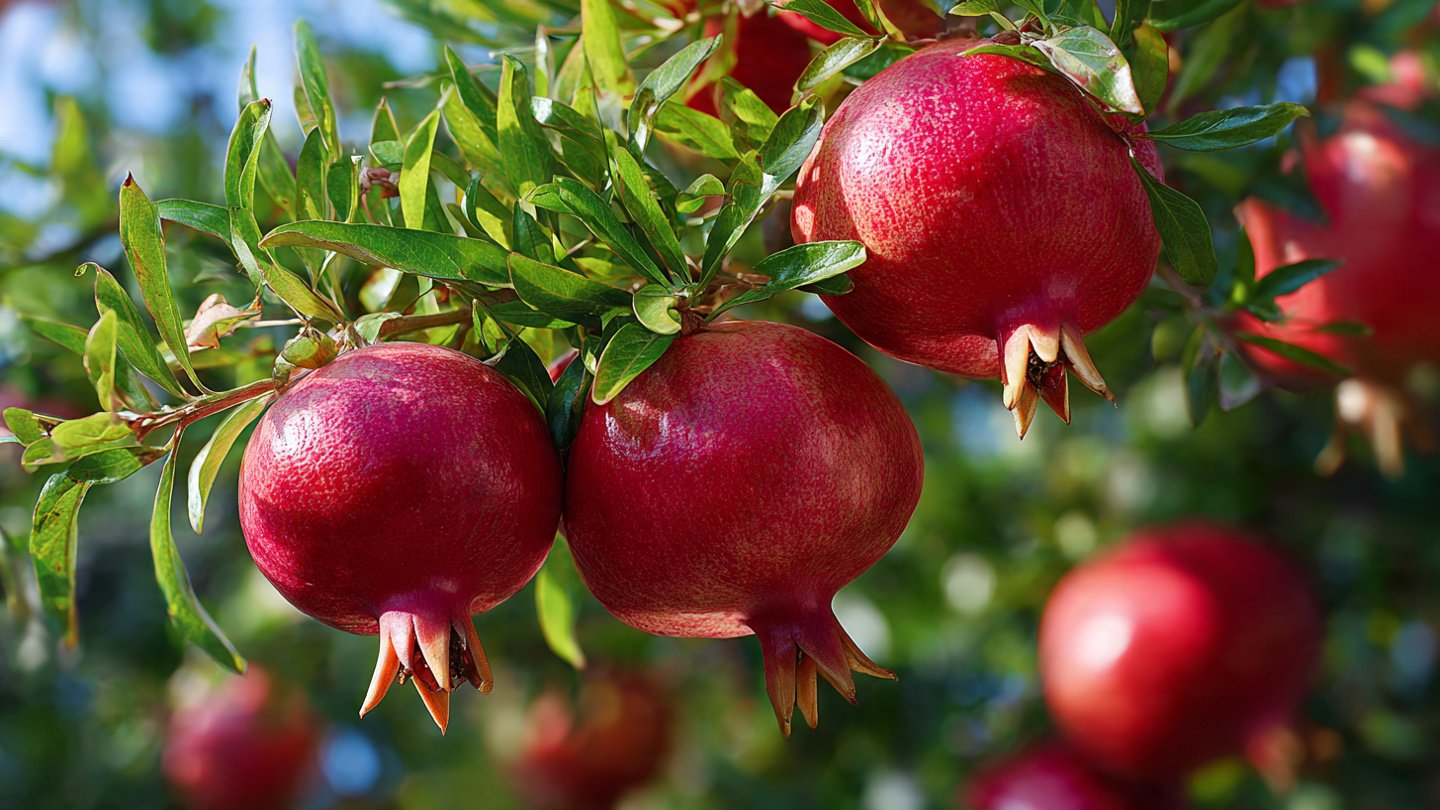
Pomegranates are not only delicious but also known for their numerous health benefits. For those with limited garden space or who live in regions with unsuitable climates for growing fruits, container gardening provides a practical solution. This guide will walk you through everything you need to successfully grow pomegranates in containers, regardless of where you live.
Understanding Pomegranates
Botanical Background
Pomegranates, scientifically known as Punica granatum, are small deciduous trees or large shrubs native to the Mediterranean region. They thrive in warm, sunny climates and produce beautiful red flowers that develop into the iconic pomegranate fruit. The fruit is rich in antioxidants, vitamins, and minerals, making it a popular choice for health-conscious individuals.
Choosing the Right Variety
When growing pomegranates in containers, selecting the right variety is crucial. Here are a few popular types suitable for container cultivation:
-
‘Wonderful’: The most common variety in the U.S. Known for its sweet, juicy fruit and beautiful flowers, it grows well in containers.
-
‘Angel Red’: This variety is known for its large, sweet fruits with vibrant interiors and is especially good in container gardens.
-
‘Pink Satin’: A dwarf variety, perfect for those with limited space; it produces fruit with a pinkish hue.
-
‘Parfianka’: Another good variety for container growth, it yields sweet, deliciously juicy fruits and is highly prized for its flavor.
Container Selection
Size Matters
Choose a container that is at least 12-18 inches in diameter and 18-24 inches deep for optimal growth. Pomegranates need plenty of space for their roots to expand. Larger containers allow for more soil, promoting healthy root systems and better moisture retention.
Material Choices
Containers can be made from various materials, including:
- Clay: Provides good aeration but can dry out quickly.
- Plastic: Lightweight and retains moisture well, ideal for easy mobility.
- Ceramic: Attractive and retains moisture but may require drainage holes.
Drainage
Ensure your container has sufficient drainage holes to avoid root rot. A well-drained pot will give your pomegranate the best chance to thrive.
Soil Requirements
Soil Composition
Pomegranates prefer well-draining, sandy loam soil. You can create an ideal potting mix by combining:
- Two parts potting soil: This provides the essential nutrients.
- One part perlite or coarse sand: This enhances drainage and aeration.
- One part compost: This adds organic matter, enriching the soil.
pH Level
Aim for a soil pH between 5.5 and 7.0. You can test your soil with a pH meter and amend it as needed using lime (to raise pH) or sulfur (to lower it).
Planting Pomegranates in Containers
Timing
The best time to plant pomegranates is in the spring after the last frost or early fall. You’ll want to give your young plant enough time to establish before the temperatures drop.
Steps for Planting
-
Prepare the Container: Ensure it’s clean and has drainage holes.
-
Fill the Container: Add your potting mix, filling it to about 2 inches below the rim.
-
Plant the Tree: Remove the pomegranate from its nursery container, gently tease the roots if they are root-bound, and place it in the center of the new container.
-
Fill and Water: Backfill with more soil to the original soil level of the plant, then water thoroughly to eliminate air pockets.
Care and Maintenance
Watering
Pomegranates thrive in well-draining soil, but they still need consistent moisture—especially during the growing season.
- Frequency: Water deeply once a week, allowing the top inch of soil to dry out between waterings.
- Indicators: Yellow leaves may indicate overwatering, while wilting leaves point to underwatering.
Fertilization
Applying a balanced, slow-release fertilizer can significantly enhance growth and fruit production.
- Timing: Fertilize in early spring and again in mid-summer.
- Type: Use a fertilizer high in potassium and phosphorus for fruiting varieties.
Pruning
Pruning helps shape the pomegranate tree and encourages fruit production.
- When: Late winter or early spring before new growth starts.
- How: Remove dead or crossing branches and thin out the canopy to improve air circulation.
Pest and Disease Management
Pomegranates can be susceptible to pests such as aphids, scale, and spider mites. Likewise, diseases like root rot and leaf spot can threaten the health of your plant.
Prevention and Treatment
- Inspect Regularly: Check for signs of pests or disease regularly.
- Organic Pest Control: Use neem oil or insecticidal soap for pest control.
- Proper Watering: Avoid overwatering to prevent root rot.
Harvesting
Pomegranates generally take about 6-7 months to ripen after flowering.
Indicators of Ripeness
- Color: The skin should be a deep red color.
- Sound: Ripe fruits produce a metallic sound when tapped.
- Weight: Ripe pomegranates feel heavy for their size.
Harvesting Method
Use pruning shears to cut the fruit from the tree, ensuring you leave a bit of stem attached to avoid bruising the fruit.
Growing Pomegranates in Different Climates
Tropical and Subtropical Climates
Pomegranates flourish in tropical and subtropical regions. Ensure they receive full sun (at least 6-8 hours a day) and adequate water.
Temperate Climates
In temperate climates with cold winters, consider bringing your pomegranate container indoors during cold spells.
Cold Climates
Dwarf varieties can thrive in colder areas, but ensure they are protected from frost. You may also choose to grow them as annuals, replanting each spring.
Container Placement
Choosing the Right Location
- Sunlight: Place your pomegranate where it receives plenty of sunlight.
- Shelter: Protect your plant from strong winds that could damage the delicate flowers and fruit.
- Mobility: Choose a location that allows easy movement of the container for seasonal changes.
FAQs
1. Can I grow pomegranates indoors?
Yes, you can grow pomegranates indoors in a sunny spot. Ensure they get at least 6 hours of direct sunlight each day.
2. How often should I fertilize my pomegranate tree?
Fertilize your pomegranate tree in early spring and mid-summer with a balanced, slow-release fertilizer for optimal growth.
3. Can I grow pomegranates from seeds?
Yes, you can grow pomegranates from seeds, but it’s more efficient to propagate them through cuttings or purchase young plants.
4. What is the ideal temperature range for pomegranates?
Pomegranates prefer temperatures between 70°F and 85°F during the growing season. They can tolerate heat but must be protected from freezing temperatures.
5. How do I know when to harvest my pomegranates?
Look for a deep red color, a metallic sound when tapped, and a heavy weight for their size to determine ripeness.
Conclusion
Growing pomegranates in containers is a rewarding endeavor that allows anyone, regardless of space or climate, to enjoy this nutritious fruit. By following the guidelines set forth in this ultimate guide—from choosing the right variety and container to understanding care needs—you can cultivate healthy, fruitful pomegranate trees. Embrace your green thumb and enjoy the journey of growing your very own pomegranates!