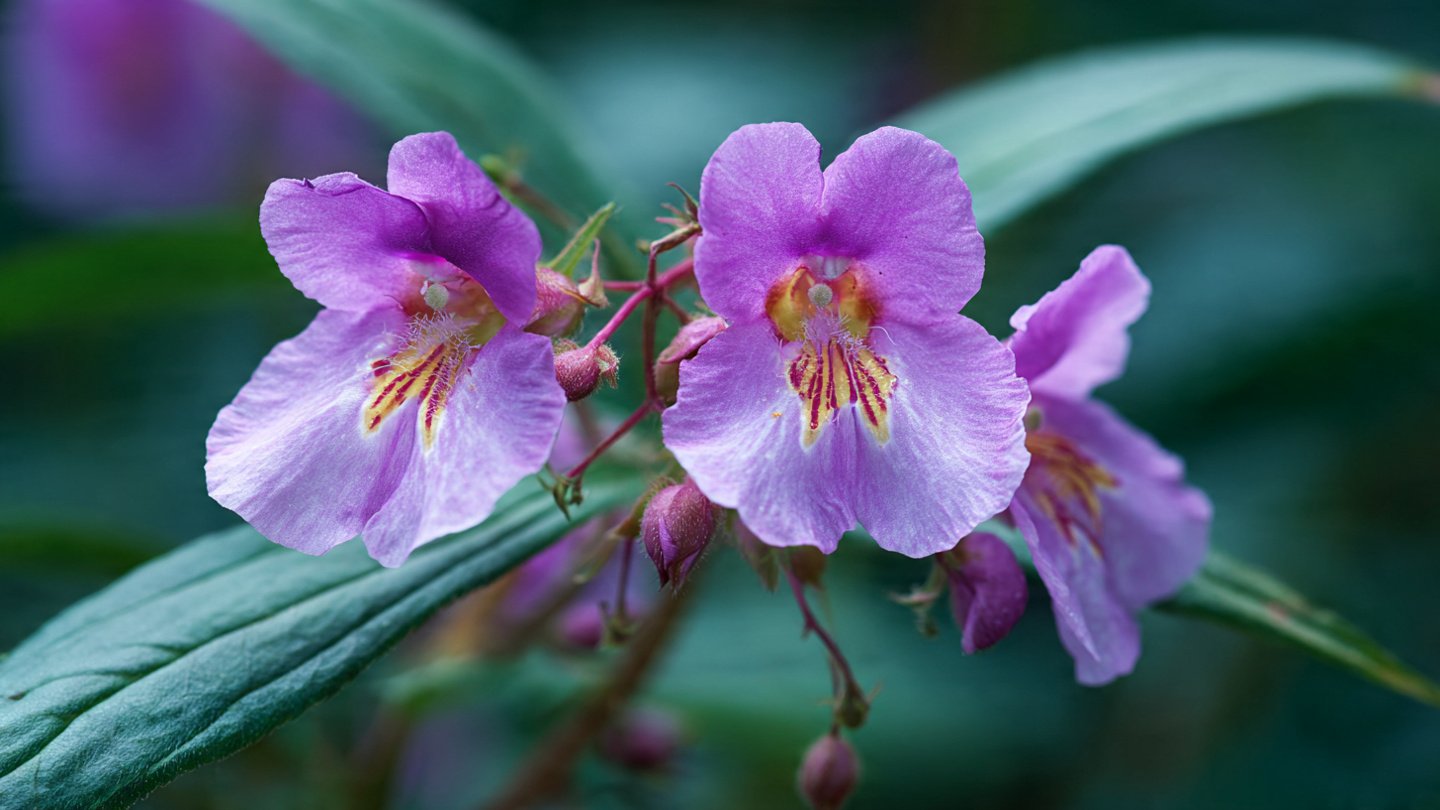
Balsam flowers, scientifically known as Impatiens balsamina, are a vibrant addition to any indoor garden. Known for their colorful blooms and lush foliage, these flowers not only enhance the aesthetics of your home but also offer myriad opportunities for gardeners of all skill levels. This comprehensive guide will unveil the secrets to successfully cultivating indoor balsam flowers, providing you with the necessary information to ensure your plants thrive.
1. Understanding Balsam Flowers
Balsam flowers, native to tropical Asia, are popular for their soft, colorful blooms. They are often categorized as annuals, meaning they bloom in a single season but can be cultivated indoors to extend their life. Balsam grows in various colors, including pink, red, white, and purple, making them a versatile choice for decoration.
1.1 Characteristics of Balsam
- Height: Typically, balsam plants range from 12 to 24 inches tall.
- Leaves: The leaves are glossy and green, with a noticeable texture.
- Flowers: The flowers are trumpet-shaped and bloom in clusters.
2. Choosing the Right Variety
When cultivating balsam flowers, choosing the right variety is crucial. Here are some popular options:
- Double Balsam: Known for their full, ruffled blooms.
- Single Balsam: Characterized by simpler blooms with a less pronounced shape.
- Miniature Balsam: Ideal for container gardening and small spaces.
3. Ideal Growing Conditions
3.1 Light Requirements
Balsam flowers thrive in bright, indirect sunlight. While they can tolerate some direct sunlight, prolonged exposure can lead to leaf scorch. A north or east-facing window is often ideal.
3.2 Temperature and Humidity
Balsam prefers temperatures between 60°F and 75°F (15°C to 24°C). They thrive in humid environments, so using a humidifier or placing a tray of water near your plants can help maintain optimal humidity levels.
3.3 Soil Preferences
Well-draining soil is essential for balsam flowers. A mix of potting soil combined with perlite and peat moss offers excellent drainage and nutrient retention. The soil pH should ideally fall between 6.0 and 7.0.
4. Planting Balsam Flowers
4.1 When to Plant
The best time to plant balsam indoors is typically in late winter or early spring to ensure they bloom during the warmer months.
4.2 Seeds vs. Young Plants
You can start balsam flowers from seeds or purchase young plants. Starting from seeds can be more rewarding but requires patience.
Starting from Seeds:
- Fill seed trays with the recommended potting mix.
- Moisten the soil, ensuring it’s damp but not soaked.
- Sow seeds on the surface, lightly covering them with a thin layer of soil.
- Place in a warm location with indirect sunlight.
Transplanting Young Plants:
- Choose a pot that is slightly larger than the nursery container.
- Fill it with potting soil.
- Gently remove the young plant from its container and place it in the new pot.
4.3 Watering
Balsam flowers prefer consistently moist soil. Water when the top inch of soil feels dry, but be careful not to over-water, as this can lead to root rot. Ensure proper drainage from pots to prevent water accumulation.
5. Fertilizing Balsam Flowers
To encourage lush growth and vibrant blooms, fertilize the balsam plants every four to six weeks during the growing season. A balanced, water-soluble fertilizer diluted to half-strength is ideal.
6. Pruning and Maintenance
Regular maintenance is essential to keep your balsam flowers healthy:
6.1 Deadheading
Remove wilting flowers to encourage new blooms and improve the plant’s appearance. This practice helps the plant focus energy on new growth rather than on seed production.
6.2 Pruning
After blooming, cut back the stems to promote bushier growth. Use sharp, clean pruning shears to avoid damaging the plant.
7. Pest and Disease Management
Balsam flowers can be susceptible to pests like aphids, spider mites, and whiteflies. Regularly inspect your plants and treat infestations early with insecticidal soap or neem oil.
7.1 Common Diseases
- Powdery Mildew: Usually caused by low air circulation. Ensure proper spacing between plants.
- Root Rot: Caused by overwatering. Ensure the pot has good drainage.
8. Extending Blooming Season
Balsam flowers typically bloom from summer until the first frost. However, some techniques can extend the blooming period:
- Pinching Back: Pinch back the tops of plants in mid-summer to encourage bushier growth and more flowers.
- Season Extension: Bring the plants indoors before the first frost and continue to care for them as houseplants.
9. Harvesting Seeds
If you’re interested in collecting seeds, do so once the seed pods have turned brown and dry but before they burst. After harvesting, store seeds in a cool, dry place for planting next season.
10. Frequently Asked Questions (FAQs)
Q1: How often should I water my balsam flowers?
A: Water your balsam flowers when the top inch of soil feels dry. Typically, this means watering every few days, but it may vary based on your indoor environment.
Q2: Can I grow balsam flowers in low light?
A: While balsam flowers do prefer bright, indirect light, they can survive in lower light conditions. However, their growth may be stunted, and blooming may be less prolific.
Q3: Are balsam flowers toxic to pets?
A: Balsam flowers are generally considered non-toxic to pets. However, it’s always a good idea to monitor your pets around any houseplants, as individual responses can vary.
Q4: How can I make my balsam flowers bloom more?
A: Regular deadheading, proper watering, and fertilization can encourage more blooms. Sufficient light and good air circulation also play critical roles.
Q5: How do I know if my balsam is overwatered?
A: Signs of overwatering include yellowing leaves, wilting, and root rot. Ensure the pot has drainage holes and let the soil dry slightly between waterings.
Q6: What should I do if my balsam starts to become leggy?
A: If your balsam flowers become leggy, it’s often due to insufficient light. Move them to a brighter location, and consider pinching back the stems to promote bushier growth.
Q7: Can I propagate balsam flowers from cuttings?
A: Balsam flowers can be propagated from cuttings, but this method may be less reliable. It’s usually easier and more effective to start from seeds or young plants.
Conclusion
Cultivating balsam flowers indoors can be a rewarding endeavor for passionate home gardeners. With the right knowledge and care, you can enjoy their vibrant colors and lush growth throughout the year. Remember to experiment and adapt your techniques to find what works best for your specific growing conditions, and you will have a stunning display of indoor balsam flowers to brighten your space. Happy gardening!