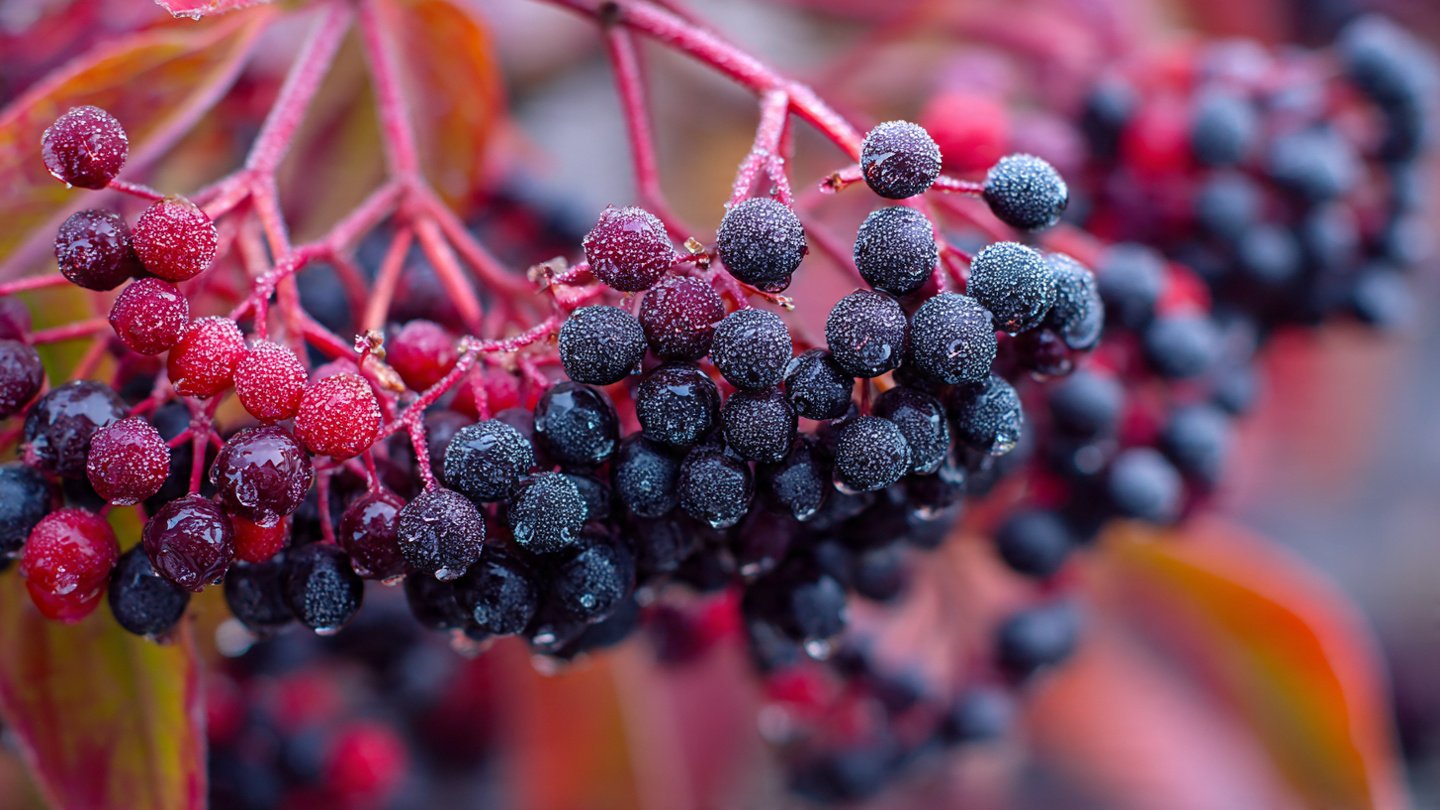
Elderberry (Sambucus) is a versatile and hardy plant that produces clusters of small, dark berries known for their health benefits, particularly in immune support. However, like many perennials and shrubs, elderberry plants require special care during the winter months to ensure they thrive come spring. This guide will provide you with comprehensive strategies on how to protect your elderberry plants from the harsh winter climate, maintain their health, and maximize their yield for years to come.
Understanding Elderberry Plants
Elderberries are deciduous shrubs or small trees that can often be found growing in the wild. They prefer moist, rich soil and full sunlight but can tolerate partial shade. In many regions, elderberries are hardy, surviving in USDA zones ranging from 3 to 9. However, during winter, these plants can face challenges from extreme temperatures, frost, and snowfall.
Selecting the Right Variety
Before diving into winter care, it’s essential to choose the right elderberry variety for your climate. Common elderberry varieties include:
-
American Elderberry (Sambucus canadensis): Hardy in zones 3-8, this variety is more cold-tolerant and often used for medicinal purposes.
-
European Elderberry (Sambucus nigra): Prefers milder climates and grows best in zones 5-9. It produces larger berries but is less cold-hardy than its American counterpart.
-
Black Lace Elderberry (Sambucus nigra ‘Black Lace’): Known for its striking foliage and ornamental beauty, this variety thrives in zones 4-7.
Choosing the right variety will have a significant impact on how well your plants handle winter conditions.
Winterization Steps for Elderberry Plants
Here are comprehensive steps to safeguard your elderberry plants during the chilly winter months.
1. Pruning Before Winter
Pruning is essential for elderberry plants. In late fall, before the first hard frost, consider the following:
-
Remove Dead or Diseased Wood: Focus on cutting back branches that are dead or diseased to encourage healthy growth in the spring.
-
Size Control: Trim excess growth to control the size of the plant and prevent breakage under the weight of snow.
-
Timing: Aim to prune about a month before the expected frost to allow the plant to heal.
2. Mulching
Mulching is one of the most effective ways to protect your elderberry plants from winter’s chill.
-
Material: Use organic mulch, such as straw, wood chips, or shredded leaves. Avoid red cedar bark, as it can hinder moisture retention.
-
Depth: Apply a layer of mulch about 2 to 4 inches deep, covering the root zone thoroughly. This will help insulate the soil and maintain a stable temperature.
-
Timing: Apply mulch after the first hard frost has occurred but before the ground freezes solid.
3. Caging and Wrapping
Caging your elderberry can provide additional protection against harsh weather.
-
Use Wire Cages: Construct or use wire cages to surround your plants. This prevents snow accumulation directly on branches which can weigh them down or cause breakage.
-
Wrapping the Plants: Use burlap or frost cloth to wrap around the bushes. This helps insulate the plant and minimizes damage from wind and extreme temperatures.
4. Watering
Many gardeners overlook the importance of water in the winter months.
-
Soil Moisture: Before the ground freezes, make sure to water your elderberries. This helps keep the roots hydrated and improves their cold hardiness.
-
Avoid Overwatering: Ensure the drainage is good and avoid flooding the plant, as wet roots can lead to rot, especially when frozen.
5. Positioning
The location of your elderberry plants matters significantly during winter.
-
Windbreaks: If your elderberries are in an exposed area, consider planting windbreaks such as evergreen trees or shrubs nearby to shield them from icy winds.
-
Microclimates: Elderberry plants placed against walls or in areas that receive heat from the sun during the day can fare better than those in open, exposed areas.
Additional Strategies for Winter Care
1. Insect Protection
Even in winter, certain pests can pose a risk.
-
Use Insecticidal Soap: Before winter sets in, you might consider spraying the plant with insecticidal soap to kill off any existing bugs.
-
Check for Larvae: Examine the bark and surrounding areas for overwintering insect larvae, especially if you notice any signs of infestation.
2. Fertilizing in Late Fall
While fertilizing in late fall might seem counterintuitive, a balanced fertilizer can provide essential nutrients that support winter hardiness.
- Choose a Balanced Fertilizer: Use a fertilizer with equal parts nitrogen, phosphorous, and potassium, ensuring you do not over-fertilize as this could stimulate new growth vulnerable to frost damage.
3. Container Care
If you’ve planted your elderberries in pots, it’s crucial to take special care during winter months.
-
Move Burdened Pots: If feasible, move pots to a sheltered area, like a garage or shed, to minimize exposure to extreme temperatures.
-
Wrap Containers: If pots cannot be moved, wrap them in burlap or bubble wrap for added insulation.
Troubleshooting Common Winter Problems
1. Frost Damage
Frost can cause the buds to freeze, especially in areas with fluctuating temperatures.
-
Identify Damage: Check for soft spots or discoloration, which indicate frost damage.
-
Prune Affected Areas: Trim any damaged branches in early spring to promote new growth.
2. Root Rot
Over-watering or insufficient drainage in winter can lead to root rot.
-
Identify Symptoms: Yellowing leaves, wilting, or a musty smell in the soil can indicate problems.
-
Solution: Promote good drainage, and if rot occurs, consider re-potting.
3. Pest Infestation
Some pests might persist through winter.
-
Monitor for Pests: Check regularly for signs of pest activity such as webs or droppings.
-
Take Action: Use organic pest control methods to manage invasions.
Conclusion
Protecting your elderberry plants during the winter months requires careful planning, regular checks, and proactive measures. By following the above guidelines, you can ensure that your elderberries come back strong and healthy in the spring. The benefits of these plants extend beyond their seasonal charm; they offer nutritional value and flavor that can enhance your kitchen and health regimen throughout the year.
FAQs
Q: When should I prune my elderberry plants?
A: Prune elderberries in late fall, before the first hard frost, to remove dead or diseased wood.
Q: What type of mulch is best for elderberry plants?
A: Use organic mulch such as straw, wood chips, or shredded leaves. Avoid red cedar mulch as it can hinder moisture retention.
Q: Can I water my elderberries in winter?
A: Yes, ensure they are adequately watered before the ground freezes, but avoid over-watering to prevent root rot.
Q: How can I tell if my elderberry plants are frost-damaged?
A: Look for soft spots or discoloration on the buds and stems. Trim damaged areas to promote healthy regrowth.
Q: What pests should I watch for in the winter?
A: Monitor for aphids, spider mites, and other pests that can overwinter on the plants, especially under leaves or in branches.
Q: Is it necessary to use insecticidal soap during winter?
A: It is advisable to use insecticidal soap before winter to kill off existing bugs and reduce infestations.
With the right practices and a little effort, your elderberry plants can withstand the coldest months of the year and bloom beautifully come spring. Happy gardening!