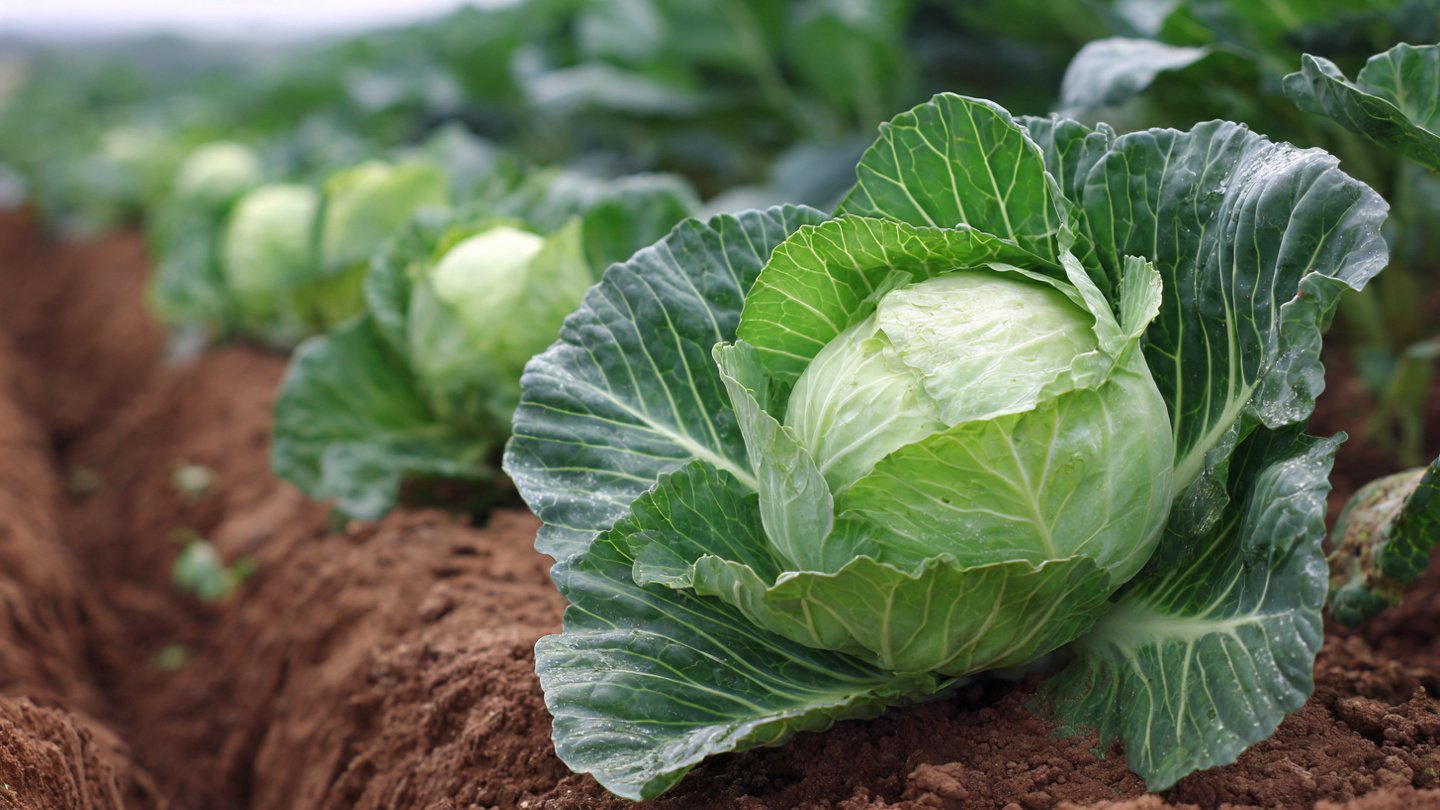
Growing cabbage can be a rewarding endeavor for both novice and experienced gardeners. When cultivated properly, cabbages can produce tight heads that yield significantly more than those that are loose or misshapen. This article will delve into the essential techniques, tips, and secrets for mastering the art of growing cabbage with tight heads and maximizing your harvest.
Understanding Cabbage Varieties
Before jumping into cultivation tips, it’s essential to understand the different varieties of cabbage. Choosing the right variety is crucial for achieving tight heads:
- Green Cabbage: This is the most common variety and is typically round or oval with dark green leaves.
- Red Cabbage: With a purplish hue, red cabbage is known for its sweet flavor and is often used in salads and slaws.
- Savoy Cabbage: Characterized by its crinkled leaves, savoy cabbage can hold moisture well and adds a delicate flavor.
- Napa Cabbage: A type of Chinese cabbage, Napa has a long head and milder taste, often used in stir-fries and kimchi.
For maximum yield, green cabbage is often preferred due to its ability to grow tight heads and its versatility in cooking.
Soil Preparation
Soil Quality
The foundation of any successful cabbage crop starts with excellent soil quality. Cabbages prefer:
- Well-drained Soil: Ensure that your soil can drain quickly to prevent waterlogging, which can lead to rot.
- Rich Organic Matter: Incorporate compost or well-rotted manure to improve fertility and structure.
pH Levels
The ideal pH level for growing cabbage is between 6.0 and 6.8. Conduct a soil test before planting:
- If pH is low: Add lime to raise the pH.
- If pH is high: Use sulfur to lower the pH.
Nutrients
Cabbages are heavy feeders. They require adequate nitrogen, phosphorus, and potassium. A balanced fertilizer (10-10-10) or organic amendments like fish emulsion or blood meal can be beneficial.
Fertilization Schedule
- Before Planting: Incorporate a slow-release fertilizer into the soil.
- At Planting: Apply a starter fertilizer to promote root growth.
- During Growth: Side-dress with nitrogen-rich fertilizers when heads begin to form.
Planting Techniques
Timing
The timing of planting is crucial for cabbage cultivation.
- Spring Cabbage: Plant seeds indoors about 6-8 weeks before the last frost. Transplant outdoors when seedlings are around 4-6 inches tall.
- Fall Cabbage: Seedlings can be started in mid-summer for a fall harvest.
Spacing
Cabbages require ample space for optimal growth:
- Row Spacing: Plant rows 24-36 inches apart to allow for air circulation.
- Plant Spacing: Space each plant 12-18 inches apart within the row to discourage crowding and promote tight head development.
Seeding Techniques
When planting seeds:
- Depth: Plant seeds about ¼ to ½ inch deep.
- Watering: Water thoroughly after planting to facilitate germination.
Watering Practices
Cabbages thrive on consistent moisture. Inadequate watering can lead to loose heads and poor flavor.
Irrigation Tips
- Drip Irrigation: Consider installing a drip irrigation system to provide even moisture without wetting the leaves, which can lead to disease.
- Regular Check: Ensure the soil is kept consistently moist, aiming for about 1 inch of water per week, including rainfall.
Pest and Disease Management
Common Pests
- Aphids: These tiny insects can cause stunted growth. A strong jet of water can dislodge them, or use insecticidal soap.
- Cabbage Worms: Often found on the underside of leaves, these can be managed with neem oil or through handpicking.
Fungal Diseases
Fungal diseases like downy mildew and black rot can threaten your cabbage crop. To prevent diseases:
- Crop Rotation: Avoid planting cabbage in the same spot for at least three years.
- Air Circulation: Space plants properly to increase airflow.
Harvesting Techniques
Timing Your Harvest
One of the secrets to achieving tight heads is knowing the right time to harvest:
- Head Firmness: The best indicator of readiness is a firm head. Gently squeeze the cabbage; if it feels solid, it’s time to harvest.
- Timing: Generally, most cabbages are ready to harvest 70-90 days after planting, depending on the variety.
Harvesting Method
- Cutting: Use a sharp knife to cut the head from the stalk, leaving a few outer leaves for protection during storage.
- Post-Harvest Care: Remove damaged outer leaves and rinse cabbages to remove dirt before storage.
Maximizing Your Yield
Succession Planting
Implementing a succession planting strategy can lead to continuous harvests. Start new seedlings every few weeks throughout the growing season.
Companion Planting
Certain plants can enhance cabbage growth:
- Great Companions: Plant garlic, onions, or herbs like dill and basil near cabbage to deter pests.
- Avoid: Keep cabbages away from strawberries and tomatoes, which can inhibit their growth.
Mulching
Apply a layer of organic mulch around the plants. Mulching can help retain soil moisture, suppress weeds, and regulate soil temperature, promoting healthier cabbage growth.
Conclusion
Mastering the art of growing cabbage with tight heads requires understanding various factors, including soil preparation, accurate watering, pest management, and proper harvesting techniques. By applying these secrets, gardeners can significantly increase their yield and enjoy the fruits of their labor.
FAQs
1. How long does it take for cabbage to grow?
Cabbage typically takes between 70 to 90 days to reach maturity, depending on the variety.
2. What type of fertilizer is best for cabbage?
A balanced fertilizer, such as 10-10-10, or organic options like compost or fish emulsion, works well.
3. Can cabbage be grown in containers?
Yes, cabbages can be grown in containers. Ensure the pot is at least 12 inches deep and wide enough to accommodate the plant’s root system.
4. What should I do if my cabbage heads are loose?
Loose heads can be caused by insufficient watering, nutrient deficiencies, or pest problems. Pay close attention to watering and nutrient schedules.
5. Is it necessary to space cabbage plants apart?
Yes, providing adequate spacing (12-18 inches) between each plant promotes airflow and reduces the chance of disease.
By following the guidelines laid out in this article, you’ll be well on your way to mastering cabbage cultivation and achieving tight, healthy heads with maximum yield. Happy gardening!