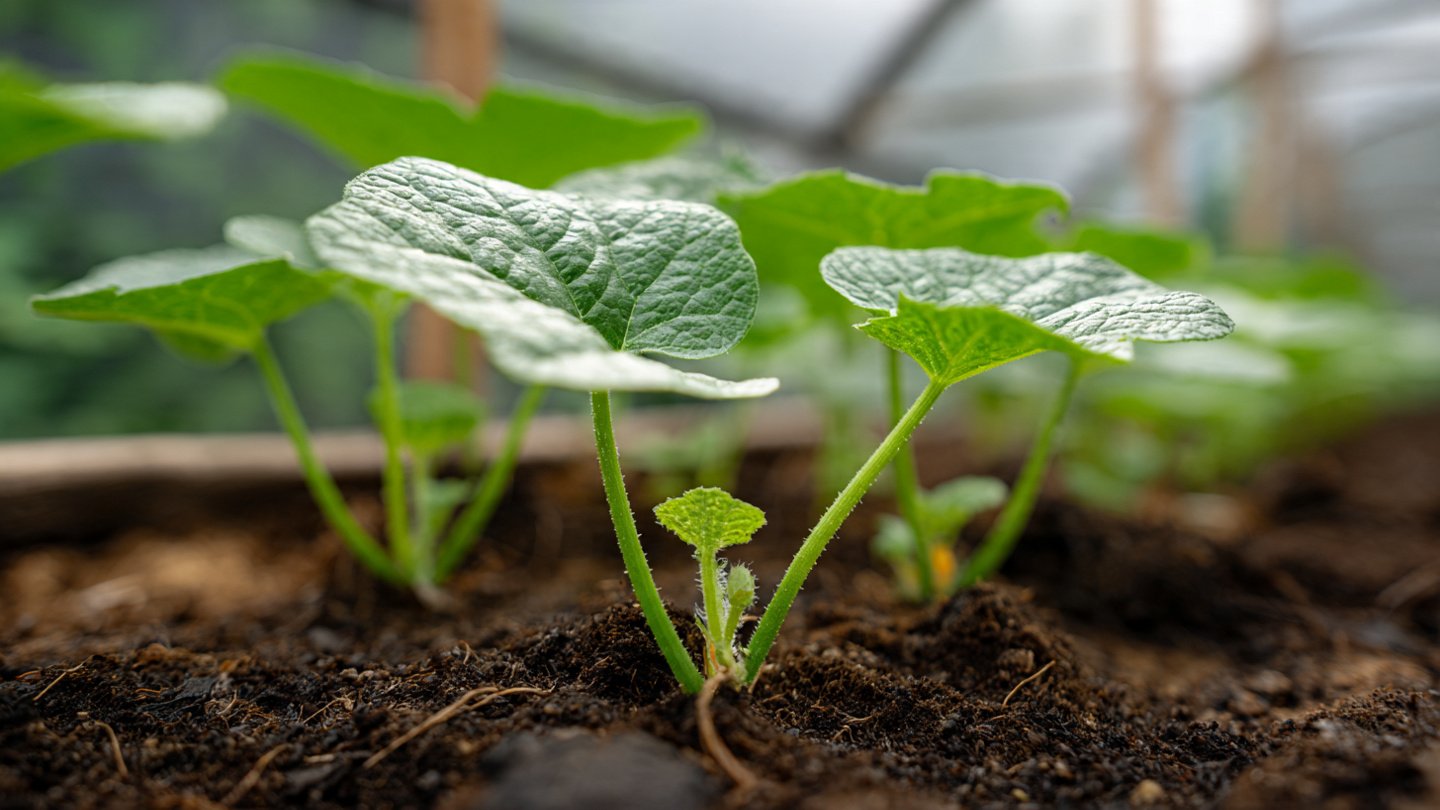
Cucumbers, a popular garden vegetable known for their refreshing crunch, thrive in warm growing conditions. However, seed germination can sometimes be a bit tricky, particularly in less-than-ideal conditions. This article will provide techniques and tips to accelerate cucumber seed germination, helping you achieve a thriving garden filled with these delicious fruits.
Understanding Cucumber Seeds
Before diving into germination techniques, it’s essential to understand what cucumber seeds need to sprout. These seeds require:
- Optimal Temperature: Cucumber seeds germinate best at temperatures between 70°F to 95°F (21°C to 35°C). Below these temperatures, germination slows down, and in cooler conditions, seeds may fail to germinate altogether.
- Moisture: Seeds require a consistent level of moisture to initiate the germination process. However, too much moisture can lead to rot.
- Oxygen: Like all seeds, cucumber seeds need oxygen to sprout. This is why proper soil aeration is crucial.
- Light: While cucumber seeds do not need light for germination, seedlings will later require light for healthy growth.
With this understanding, let’s explore techniques to speed up the germination process.
Techniques to Accelerate Germination
1. Pre-soaking Seeds
Soaking cucumber seeds in water for 24 hours before planting can help kickstart germination. This process softens the seed coat and allows water to penetrate, speeding up the germination process.
How to do it:
- Place the seeds in a bowl of water.
- Leave them to soak for up to 24 hours.
- After soaking, plant them directly into your prepared soil.
2. Using a Seedling Heat Mat
Since cucumbers prefer warm conditions, using a seedling heat mat can help maintain the ideal temperature for germination.
Benefits:
- Heat mats provide consistent warmth, which accelerates germination.
- They are particularly useful in cooler climates or early spring planting.
How to Use:
- Place the seed trays on the heat mat before sowing.
- Monitor the temperature to maintain it within the optimal range.
3. Soil Preparation
The right soil mix can significantly affect seed germination rates. Use a light, well-draining soil mixture that retains moisture without becoming waterlogged.
Recommended Soil Mix:
- 1 part compost
- 1 part peat moss
- 1 part perlite
This mixture promotes aeration and drainage, which enhances the likelihood of successful germination.
4. Planting Depth and Spacing
Planting cucumber seeds too deep can hinder their ability to break through the soil surface. The optimal planting depth for cucumber seeds is about 1 inch (2.5 cm).
Spacing Tips:
- Space seeds about 12 inches (30 cm) apart if direct seeding.
- If starting indoors, thin seedlings to ensure ample space for growth.
5. Using a Plastic Dome or Greenhouse
Creating a mini-greenhouse environment can help maintain warmth and humidity, which are both vital for germination.
Benefits of This Method:
- It retains heat and moisture, speeding up germination.
- It protects young seedlings from pests and environmental stresses.
How to Set Up:
- Cover your seed trays with a clear plastic dome or place them inside a small greenhouse.
- Open vents or remove the dome for a few hours each day to prevent excess humidity.
6. Warm Water Germination
For an even faster method, try using warm water to soak the seeds directly before planting.
Steps to Follow:
- Heat water to around 85°F (29°C).
- Soak seeds for a few hours, then plant them immediately in your seedling mix.
7. Fertilization for Seedlings
Once your seedlings begin to sprout, it’s essential to provide them with nutrients for vigorous growth. Starting with a diluted starter fertilizer can provide essential nutrients without overwhelming young seedlings.
What to Use:
- A balanced, water-soluble fertilizer (NPK ratio of 10-10-10) is ideal for young plants.
- Apply every couple of weeks until transplanting outdoors.
8. Monitoring Moisture Levels
Keeping the right moisture level is crucial for germinating seeds. Too much water can lead to rot, while too little can hamper growth.
Best Practices:
- Water the soil before planting to ensure even moisture.
- Use a spray bottle to gently mist seeds, avoiding overwatering.
Best Practices for Transplanting
Once your cucumber seedlings have developed their first true leaves and are at least 2-3 inches (5-7.5 cm) tall, they can be transplanted outdoors, typically after the last frost.
1. Harden Off Seedlings
Before transplanting outdoors, it’s vital to harden off seedlings. This process helps them acclimate to outdoor conditions.
How to Harden Off:
- Gradually expose seedlings to outdoor conditions over a week.
- Start with a few hours of sunlight and gradually increase exposure.
2. Prepare the Planting Site
Choose a sunny location, as cucumbers require at least 6-8 hours of direct sunlight daily. Amend the soil with compost or well-rotted manure to improve fertility and drainage.
3. Planting
When planting, ensure to bury the seedlings deep, up to the first set of leaves. This encourages root development.
Troubleshooting Common Germination Issues
1. Seeds Not Germinating
If your seeds are not germinating, consider the following factors:
- Temperature: Ensure the soil is warm enough.
- Moisture: Check if the soil is too dry or too wet.
- Old Seeds: Fresh seeds have higher germination rates. Use seeds that are not more than two years old.
2. Seedlings are Too Spindly
If seedlings are stretching and appear weak, they may not be receiving enough light.
Solution:
- Move them to a location where they receive more direct sunlight or provide supplemental grow lights.
3. Damping Off
This is a fungal condition where young seedlings rot at the base, resulting in collapse.
Prevention Tips:
- Ensure proper air circulation around seedlings.
- Avoid overwatering.
- Use sterilized soil to prevent mold.
Conclusion
By implementing these strategies, you can significantly accelerate the germination of cucumber seeds, leading to a lush, productive garden. Remember that achieving success with cucumbers requires attention to temperature, moisture, light, and soil quality. With patience and the right practices, you’ll soon enjoy a rich harvest of crunchy cucumbers, perfect for salads, pickling, or snacking.
FAQs
1. How long do cucumber seeds take to germinate?
Cucumber seeds typically take 7-10 days to germinate under ideal conditions.
2. Can I plant cucumber seeds directly in the ground?
Yes, you can sow cucumber seeds directly in the ground once the soil temperature reaches at least 70°F (21°C).
3. Is it necessary to soak cucumber seeds before planting?
While not necessary, soaking cucumber seeds can speed up germination and is highly recommended for better results.
4. What is the best time to plant cucumbers outdoors?
Cucumbers should be planted outdoors after the last frost date in your region and when the soil has warmed up sufficiently.
5. How can I protect young cucumber plants from pests?
Use row covers to protect seedlings from pests and remove them when plants begin to flower.
6. What type of fertilizer should I use for cucumbers?
A balanced, water-soluble fertilizer with an NPK ratio of 10-10-10 is ideal for young seedlings and can continue through their growing season.
By following these guidelines, you can enjoy a successful gardening season with healthy and plentiful cucumber plants. Happy gardening!