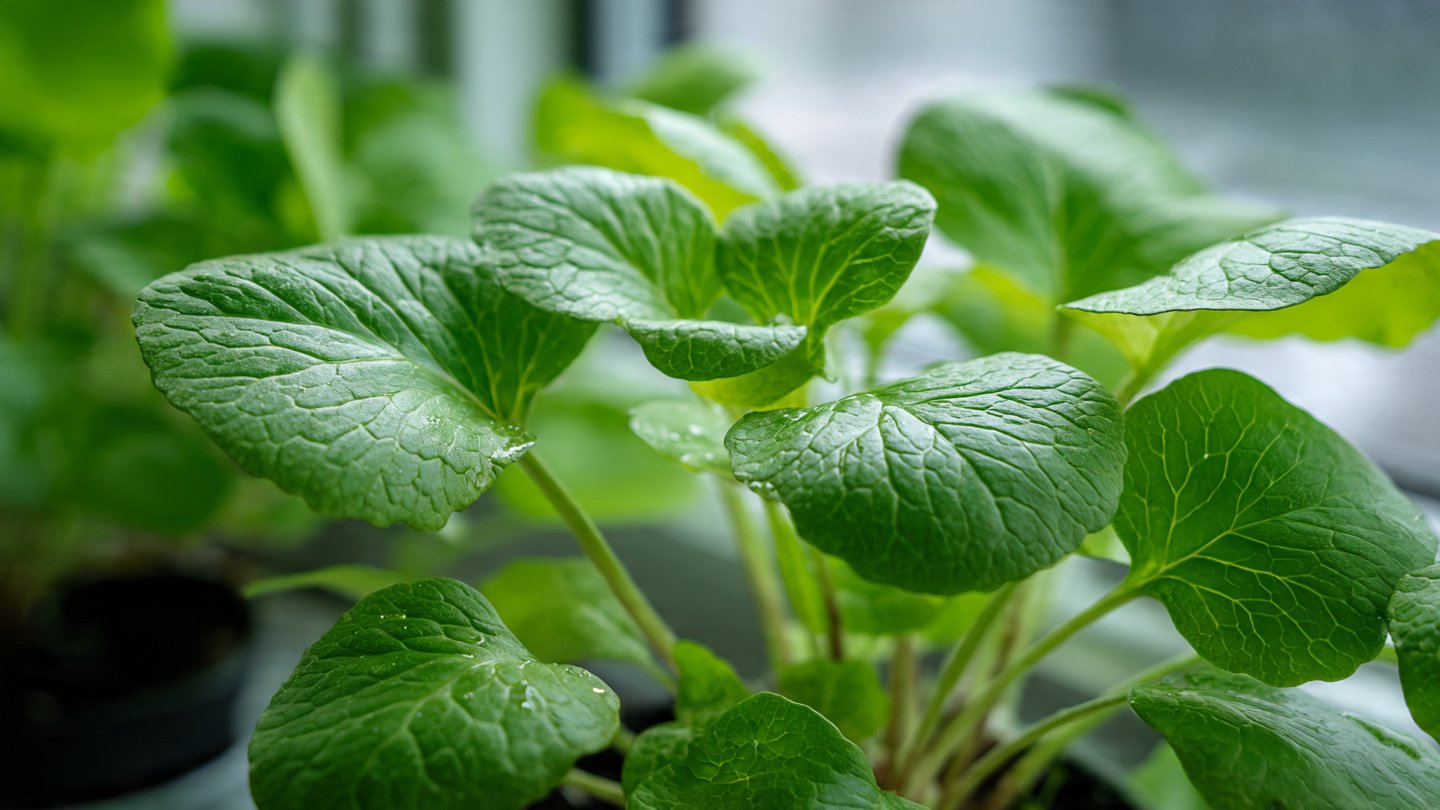
Growing radish leaves can elevate your culinary adventures. Often overlooked, these greens are not only edible but are also packed with flavor and nutrients. This guide will walk you through the process of growing radish leaves, from seed selection to harvesting, along with ideas for incorporating them into your dishes.
Understanding Radish Leaves
Radish leaves, or greens, are the foliage of the radish plant (Raphanus sativus), typically consumed alongside the root. While commonly known for their crisp and peppery roots, the leaves are versatile and can be used in salads, pestos, soups, and more. Radish leaves are rich in vitamins A, C, and K, along with essential minerals like calcium and iron, making them an excellent addition to any diet.
Choosing the Right Variety
When considering which radish variety to grow for their leaves, the following options are popular:
- Daikon Radish: A large, white radish that produces broad leaves.
- Cherry Belle: A small, round red radish with tender greens.
- Black Radish: Known for its distinct flavor, it has dark green, robust leaves.
Varietal Differences
The choice of variety can affect not only the flavor profile of the leaves but also their texture. Softer-leaved varieties like Cherry Belle are great for salads, while the tougher leaves of Daikon can hold up well in cooked dishes.
Growing Radish Leaves
Step 1: Preparing Your Garden
Radishes are cool-season crops that thrive in loamy, well-drained soil. Here’s how to prepare your garden bed:
- Location: Choose a sunny spot, as radishes prefer full sun but can tolerate partial shade.
- Soil Preparation: Enrich the soil with organic compost to enhance fertility and drainage. A pH level of 6.0 to 7.0 is ideal.
- Tilling: Loosen the soil to a depth of at least 12 inches and mix in compost.
Step 2: Sowing Seeds
Once your bed is ready, it’s time to plant your radish seeds.
- Timing: Sow seeds in early spring or fall, depending on your climate. Radish seeds germinate best in temperatures between 50°F and 85°F (10°C – 29°C).
- Spacing: Plant seeds about 1 inch apart and cover with about half an inch of soil. Row spacing should be about 12 inches apart to allow for the growth of both the radish and its greens.
Step 3: Watering and Care
Proper care will ensure the healthy growth of radish leaves.
- Watering: Keep soil consistently moist but not waterlogged. Radish seeds need moisture to germinate, and consistent watering will promote the leafy growth of the plant.
- Weeding: Regularly check for weeds that can compete for nutrients. Hand-pulling weeds can help minimize soil disturbance.
- Fertilizing: While compost is usually sufficient, you can use a balanced fertilizer once the plants are established to encourage further growth.
Step 4: Pest Management
Pests can sometimes interfere with your radish plants. Common pests include aphids and flea beetles.
- Natural Remedies: Introduce beneficial insects like ladybugs or use insecticidal soap to manage pests. Planting radishes alongside other crops can also deter harmful insects.
- Observation: Regularly inspect your plants for signs of pest damage and act quickly.
Harvesting Radish Leaves
Radish leaves can typically be harvested about 3-4 weeks after germination, once they are about 4-6 inches tall.
- Timing: Harvest in the morning for the freshest taste and highest moisture content.
- Method: Use scissors or pruning shears to snip the leaves at the base, avoiding damage to the root of the plant, which can continue to produce foliage.
Post-Harvest Care
After harvesting, wash the leaves thoroughly to remove any soil or insects. Store unwashed leaves in a damp paper towel inside a breathable bag in the refrigerator to keep them fresh for several days.
Culinary Uses for Radish Leaves
Radish leaves are surprisingly versatile. Here are several tasty ways to use them:
1. Salads
Fresh radish leaves can add a peppery bite to mixed salads. Combine them with other greens, nuts, and a light vinaigrette.
2. Pesto
Easily blend radish leaves with garlic, nuts (like walnuts or pine nuts), Parmesan cheese, and olive oil for a unique twist on traditional pesto. Use it as a pasta sauce, on sandwiches, or as a dip.
3. Soups
Add radish leaves to soups and stews toward the end of cooking. Their flavor complements vegetable broths and can enhance the overall dish.
4. Stir-Frying
Sauté radish leaves with garlic and other vegetables for a quick stir-fry. They pair wonderfully with soy sauce or sesame oil.
5. Smoothies
Blend radish leaves into your smoothies for an extra nutrient boost. Pair them with fruits like banana and mango for a balanced flavor.
Nutritional Benefits of Radish Leaves
Incorporating radish leaves into your diet can provide numerous health benefits:
- Rich in Antioxidants: Help fight free radicals and reduce inflammation.
- High in Fiber: Aids in digestion and can help maintain a healthy weight.
- Source of Vitamins and Minerals: Supports immune function and bone health.
Conclusion
Growing radish leaves offers a rewarding experience for any home gardener while expanding your culinary repertoire. Not only are these greens easy to cultivate, but they also add a delightful, peppery flavor to many dishes. By following the steps outlined in this guide, you can harvest fresh radish leaves right from your backyard.
FAQs
1. Can I eat radish leaves raw?
Yes, radish leaves can be eaten raw and are especially delicious in salads.
2. How do I store radish leaves?
Store radish leaves in a perforated bag in the refrigerator. Wrap them in a damp paper towel to retain moisture.
3. Are radish leaves safe to eat?
Yes, radish leaves are safe to eat and edible. Just ensure they are thoroughly washed before consuming.
4. How long does it take to grow radish leaves?
Radish leaves can be harvested approximately 3-4 weeks after sowing, depending on the variety and growing conditions.
5. Can I regrow radish leaves from scraps?
Yes! To regrow radish leaves, place the root in a shallow dish of water and let it sprout new leaves. This method may not yield as much as growing from seed but is a fun experiment.
6. What pests commonly affect radish leaves?
Common pests include aphids and flea beetles. Regular monitoring and natural pest control methods can help manage them.
Growing radish leaves is not just a way to enjoy a delicious harvest but a chance to explore new flavors in your kitchen. Embrace this culinary adventure, and reap the benefits of home gardening!