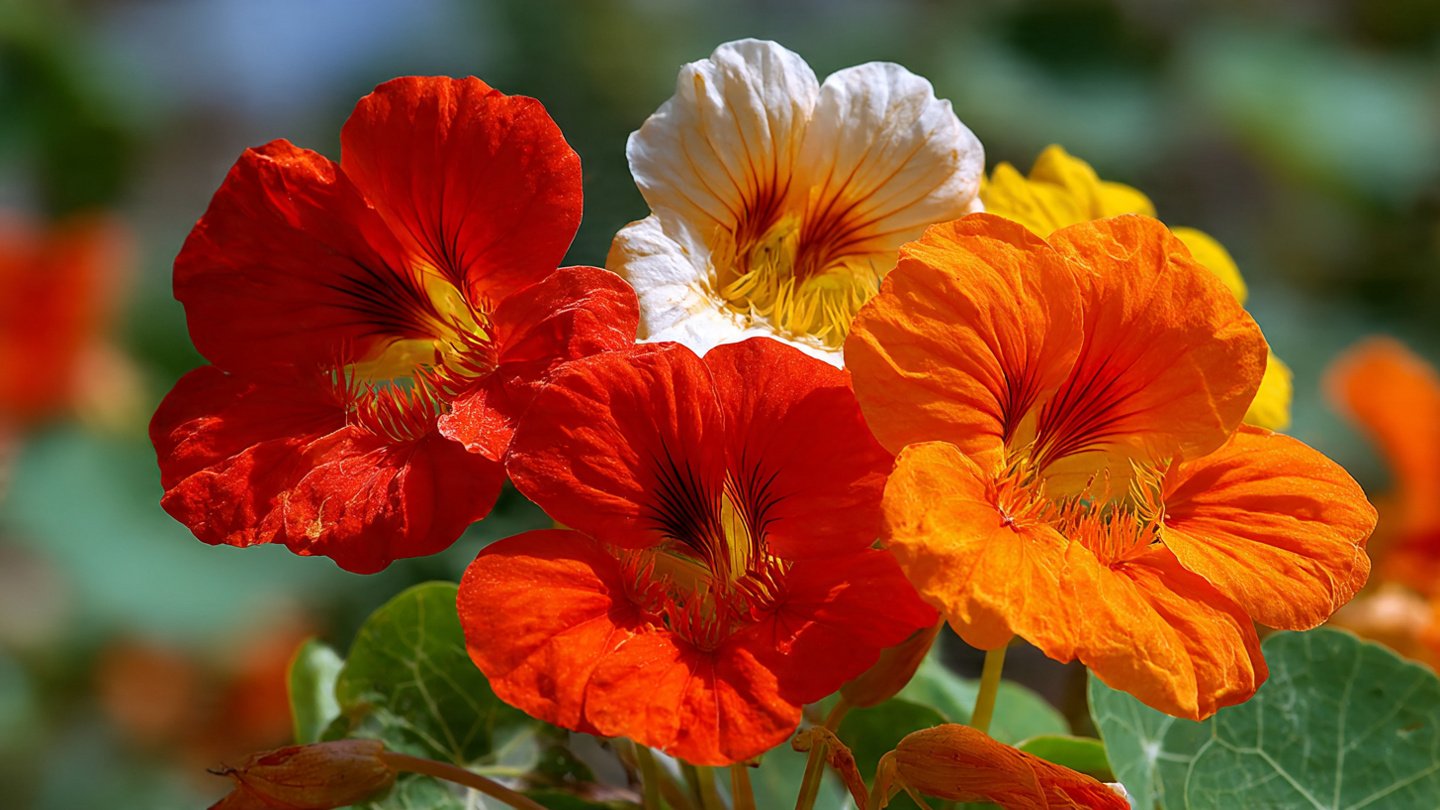
Nasturtiums (Tropaeolum majus) are not just eye-catching additions to any garden; they are also versatile edible flowers that pack a punch in flavor. With their vibrant orange, yellow, and red blooms, these annual plants can transform your garden into a colorful oasis while providing ingredients for salads, garnishes, and various culinary creations. In this guide, we’ll explore how to successfully grow nasturtiums, tips for care, and some creative ways to use these delightful flowers in your kitchen.
Why Grow Nasturtiums?
Before delving into the cultivation process, it’s important to understand why nasturtiums are worth growing. Here are a few compelling reasons:
-
Edible and Nutritious: Both the flowers and leaves of nasturtiums are edible and have a peppery flavor similar to arugula. They are also rich in vitamins A and C, making them an excellent addition to a healthy diet.
-
Pest Repellent: Nasturtiums act as a natural pest deterrent. They can repel aphids, whiteflies, and other garden pests, which can protect your more vulnerable plants.
-
Companion Planting: When planted alongside vegetables, nasturtiums can enhance growth and flavor while attracting beneficial insects.
-
Vibrant Colors and Varieties: Available in various sizes and colors, nasturtiums can add a splash of color to any garden landscape, from borders to garden beds.
Choosing the Right Variety
Nasturtiums come in two main types: climbing and bush varieties.
-
Climbing Nasturtiums: These can grow up to 10 feet and are perfect for trellises or fences. Popular climbing varieties include ‘Alaska’ and ‘Peach Melba.’
-
Bush Nasturtiums: Shorter and more compact, bush varieties, such as ‘Jewel Mix’ and ‘Tip Top,’ are great for garden borders and smaller spaces.
When choosing a variety, consider your garden layout and aesthetic preferences.
Preparing the Soil
Nasturtiums thrive in well-drained soil with a pH of 6.0 to 7.0. Here’s how to prepare the soil for optimal growth:
-
Location: Choose a sunny spot, as nasturtiums prefer full sun but can tolerate partial shade.
-
Soil Preparation: Mix organic compost or well-rotted manure into the soil to enhance fertility. Avoid overly rich soil, as too much nitrogen can lead to lush foliage but fewer flowers.
-
Drainage: Ensure proper drainage to prevent root rot. If planting in containers, use pots with drainage holes, and a lightweight potting mix.
Planting Nasturtiums
The best time to plant nasturtiums is in the spring, after the last frost. Here’s a simple planting guide:
-
Planting Seeds: Sow seeds directly into the soil 1/2 inch deep, spaced about 10 inches apart for bush varieties and 12-18 inches apart for climbing varieties.
-
Watering: Water the seeds immediately after planting. Keep the soil consistently moist but not soggy until the seeds germinate, typically within 7-10 days.
-
Transplanting: If starting seeds indoors, transplant them outdoors when they are about 4-6 weeks old and have developed at least two sets of true leaves.
Caring for Nasturtiums
Once planted, nasturtiums require minimal care. Here are essential tips for ensuring a thriving plant:
-
Watering: Nasturtiums prefer dry, lean conditions; water only when the soil is dry to the touch. Overwatering can lead to mold and other issues.
-
Fertilizing: Avoid excessive fertilizers. A balanced, low-nitrogen fertilizer can be applied once a month, but many gardeners find that nasturtiums thrive without any additional feeding.
-
Pruning: Deadhead spent flowers to encourage more blooms. This not only keeps the plant looking tidy but also prolongs the flowering period.
-
Pest Management: Keep an eye out for aphids and caterpillars. If pests appear, consider using insecticidal soap or neem oil as a natural remedy. Also, don’t forget to invite beneficial insects, like ladybugs, to your garden by planting flowers nearby.
Harvesting Nasturtiums
Nasturtiums can be harvested when they are in full bloom. Here’s how to do it:
-
Flowers: Snip the blooms gently, leaving a small section of the stem intact. This can encourage more flowers to appear.
-
Leaves: Young leaves can also be harvested for salads, garnishes, or other dishes. Look for vibrant, healthy leaves for the best flavor.
-
Pods: The immature seed pods can be harvested and pickled as a caper substitute.
Culinary Uses of Nasturtiums
Nasturtiums offer a delightful peppery flavor that can elevate various dishes. Here are some ideas on how to use them:
-
Salads: Toss fresh nasturtium leaves and flowers into salads for a colorful and flavorful addition.
-
Garnishes: Use whole flowers to garnish soups or appetizers for a pop of color.
-
Stuffed Flowers: Stuff large flowers with cream cheese or herb-infused ricotta for a delicious appetizer.
-
Herbal Infusion: Make a peppery nasturtium pesto using leaves, nuts, garlic, and olive oil.
-
Vinegars and Oils: Infuse vinegars or oils with nasturtium flowers for a zesty dressing base.
Troubleshooting Common Issues
While nasturtiums are relatively low-maintenance, issues can arise. Here’s how to address common problems:
-
Poor Flowering: If plants are not flowering, this can be due to excessive nitrogen in the soil. Adjust your fertilization routine.
-
Fungal Diseases: If you notice powdery mildew, avoid overhead watering and increase airflow around plants by trimming crowded areas.
-
Pests: Aphids and whiteflies can be managed using natural predators like ladybugs or by using insecticidal soap.
Seasonal Considerations
Nasturtiums are annuals in most climates, which means they will die back in frost. To maximize your enjoyment:
-
Make a Succession Plan: Plant new seeds every few weeks during the growing season to ensure a continuous supply of flowers and leaves.
-
Winter Care: In warmer climates, consider allowing nasturtiums to self-seed, effectively replanting themselves for the next season.
Frequently Asked Questions (FAQs)
1. Are nasturtiums safe to eat?
Yes, both the leaves and flowers of nasturtiums are safe to eat and offer a peppery flavor.
2. Can I grow nasturtiums in containers?
Absolutely! Nasturtiums do well in containers; just make sure they have sufficient drainage and sun.
3. How do I store harvested nasturtiums?
Store freshly harvested nasturtiums in a damp paper towel in the refrigerator. They are best used fresh but can last a few days.
4. When should I plant nasturtium seeds?
Start planting nasturtium seeds in spring after the last frost, or you can also sow seeds in late summer for fall blooms.
5. Do nasturtiums attract pollinators?
Yes, nasturtiums attract a variety of pollinators, including bees and butterflies, making them excellent for a biodiversity-friendly garden.
Conclusion
Growing nasturtiums is straightforward and rewarding, providing both visual beauty and culinary delight. With minimal maintenance, these fragrant flowers can enhance not only your garden aesthetics but also your dining table. Whether you’re decorating a salad or crafting a gourmet meal, nasturtiums bring color and flavor that cannot be matched. So grab some seeds, get planting, and enjoy the many benefits these delightful flowers offer!