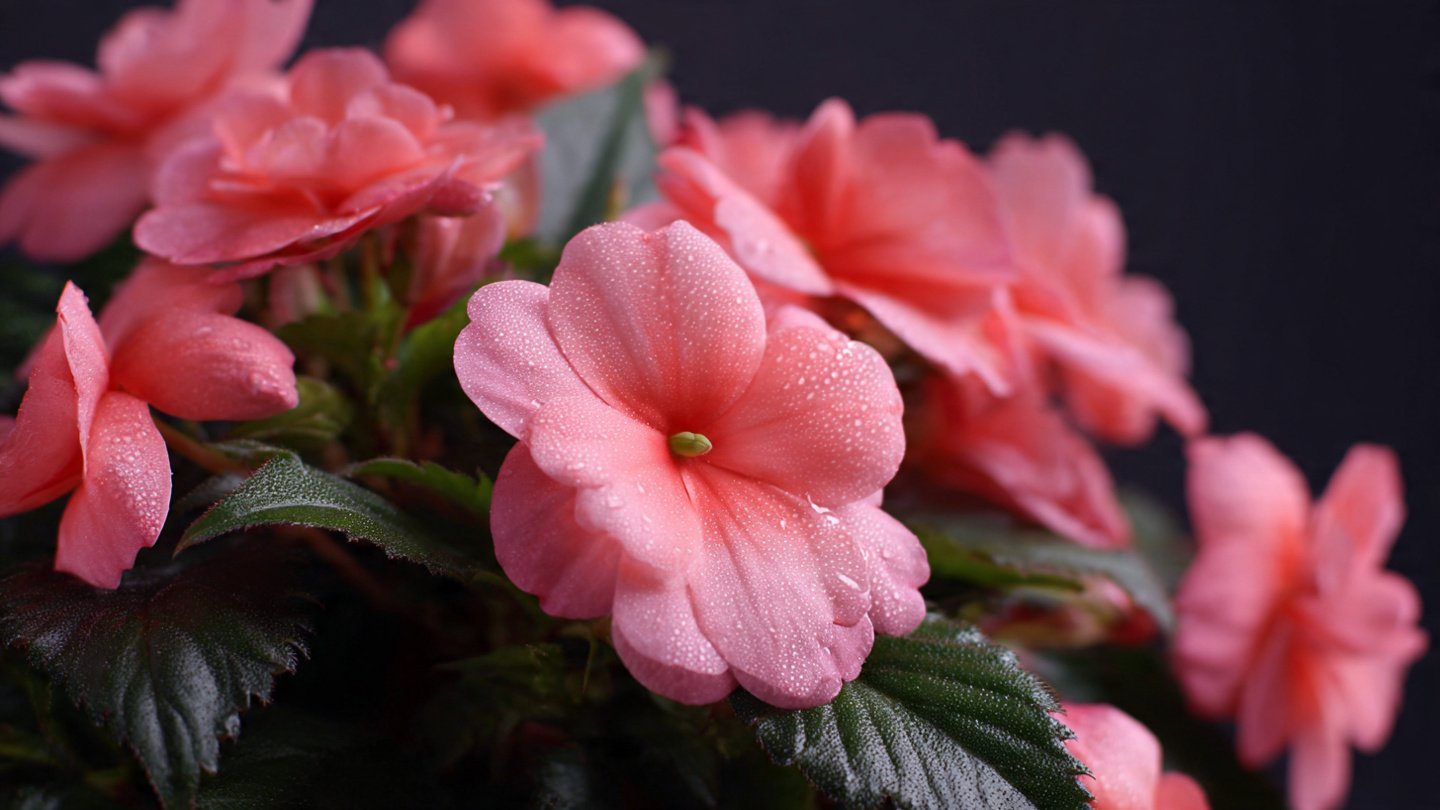
Indoor gardening has become a beloved hobby for many, helping to bring the beauty of nature indoors. Among the many choices for indoor plants, Impatiens stands out for its vibrant colors, which can brighten up any space. However, ensuring these flowers bloom continuously can be a bit of a challenge. In this guide, we’ll explore the best practices for achieving continuous bloom in indoor Impatiens throughout the year, ensuring your home stays colorful no matter the season.
Understanding Impatiens
Impatiens, also known as busy Lizzie or balsam, come in various species and hybrids. The most popular for indoor settings is Impatiens walleriana, recognized for its lush, green foliage and vibrant, colorful blooms. They thrive in shaded or partial light conditions, making them ideal for indoors, where other flowering plants may struggle.
Choosing the Right Variety
Before diving into care practices, it’s crucial to choose the right type of Impatiens. Here are a few suggested varieties for continuous bloom:
-
Super Elfin Series: Known for their compact growth and abundant flowers, Super Elfin Impatiens produce a profusion of blooms with minimal maintenance.
-
ImaraX: This variety is bred to resist downy mildew and features vibrant colors. They are also more robust than traditional Impatiens.
-
Fusion Series: Offers a blend of colors on a single plant, creating an eye-catching spectacle.
Optimal Growing Conditions
Light Requirements
Impatiens thrive in bright, indirect sunlight. Direct sunlight can scorch the leaves, while too little light may hinder blooming. Aim for 12-16 hours of light a day. Consider placing your plants near a north or east-facing window, supplemented by grow lights if natural light is insufficient.
Temperature and Humidity
-
Temperature: Ideal indoor temperatures for Impatiens range between 65°F and 75°F (18°C – 24°C). They can tolerate slightly cooler temperatures but avoid exposing them to drafts or extreme heat.
-
Humidity: Impatiens prefer high humidity levels. Using a humidifier or placing a tray of water with pebbles under the plant can help maintain moisture levels.
Soil and Potting
Choosing the right soil is critical. Impatiens prefer a well-draining potting mix that holds moisture without becoming waterlogged. A mix formulated for indoor plants or one that includes peat moss, perlite, or vermiculite is excellent. Ensure your pots have drainage holes to avoid root rot.
Pot Size and Type
Start with a pot that is at least 6-8 inches in diameter for young plants. As they grow, you might need to repot into larger containers. Using ceramic or clay pots can enhance drainage, while plastic pots retain moisture.
Watering
Over-watering is one of the most common mistakes made with Impatiens. It’s essential to allow the top inch of soil to dry out before rewatering. The frequency will depend on humidity and temperature levels – typically, watering once a week is ideal. Be mindful of signs of overwatering, including yellowing leaves or wilting.
Fertilization
Regular fertilization encourages continuous blooming. During the growing season (spring and summer), use a balanced, water-soluble fertilizer every two weeks. Look for a fertilizer with an N-P-K ratio of 20-20-20, which provides ample nitrogen, phosphorus, and potassium.
In the fall and winter, when growth slows, reduce fertilization to once a month or stop altogether until the growing season resumes. Over-fertilizing can lead to leggy plants with fewer blooms.
Pruning and Deadheading
Pruning
Regular pruning encourages bushier growth and prevents plants from becoming leggy. Remove any dead or yellowing leaves and trim back long stems. This process stimulates new growth, resulting in more flowers.
Deadheading
Removing spent blooms (also called deadheading) not only keeps your plants looking tidy, but it also promotes new bloom production. Regularly pinch off faded flowers, encouraging the plant to devote its energy to producing new blooms rather than seeds.
Managing Pests and Diseases
Indoor plants, including Impatiens, can fall victim to pests and diseases. Common threats include aphids, spider mites, and fungal infections like downy mildew.
Prevention and Treatment
-
Pests: Regularly inspect your plants for signs of pests. If you spot any, spray with insecticidal soap or neem oil. For severe infestations, consider a systemic insecticide.
-
Fungal Diseases: Ensure good air circulation around your plants and avoid overhead watering, which can foster fungal growth. If you notice symptoms, treat them with a fungicide.
Seasonal Considerations
Winter Care
During the winter months, Impatiens typically enter a dormant phase. They will require less light and water. Maintain humidity levels and not let them dry out completely.
Summer Care
In hotter months, it’s essential to monitor soil moisture closely and consider increasing humidity. They may thrive outdoors if temperatures are mild and shaded.
Propagation Techniques
If you desire more Impatiens, propagation is quite straightforward:
Stem Cuttings
-
Choose a Healthy Stem: Select a stem that is lush and healthy, ideally with no blooms.
-
Cut and Prepare: Take a cutting of about 4-6 inches long, removing the lower leaves.
-
Rooting: Place the cutting in water or directly into moistened potting soil. Keep it in a warm, bright spot until roots develop, which typically takes a few weeks.
-
Transplant: Once rooted, transplant it into a larger pot.
Achieving Continuous Bloom
To achieve continuous bloom in Impatiens throughout the year, follow this comprehensive care regimen:
- Proper Light: Ensure they receive adequate, indirect light.
- Water Wisely: Allow for a cycle of drying and watering.
- Feed Regularly: Fertilize every couple of weeks during the growing season.
- Prune and Deadhead: Keep up with pruning and deadheading to promote growth.
- Control Pests: Regularly check for and treat any pest or disease issues.
By maintaining the ideal conditions and care practices, you are more likely to see year-round flourishing of Impatiens in your indoor space.
Frequently Asked Questions (FAQs)
Q1: How often should I water my indoor Impatiens?
A: Water your Impatiens when the top inch of soil feels dry. Typically, watering once a week is a good rule of thumb, but take into account your home’s humidity and temperature.
Q2: Can I keep my Impatiens outside in the summer?
A: Yes, Impatiens thrive in shady outdoor conditions. Ensure they are protected from harsh sunlight and check the soil moisture more frequently.
Q3: How can I tell if my Impatiens need more light?
A: If you notice leggy growth, fewer blooms, or pale foliage, it might indicate the need for more light.
Q4: Why are my Impatiens not blooming?
A: This could be due to several factors, including insufficient light, improper watering, lack of nutrients, or pest infestations.
Q5: Is it normal for Impatiens to wilt?
A: A brief wilting can occur due to underwatering, especially on hot days. However, if wilting persists or is accompanied by yellowing leaves, reassess your watering schedule.
Q6: Can Impatiens be grown from seed?
A: Yes, while it’s possible to grow Impatiens from seed, many growers prefer purchasing starter plants for simplicity and faster blooming.
With the right care and attention, your indoor Impatiens can provide vibrant colors and beauty all year round. Enjoy the process, and don’t hesitate to experiment with different varieties and arrangements!