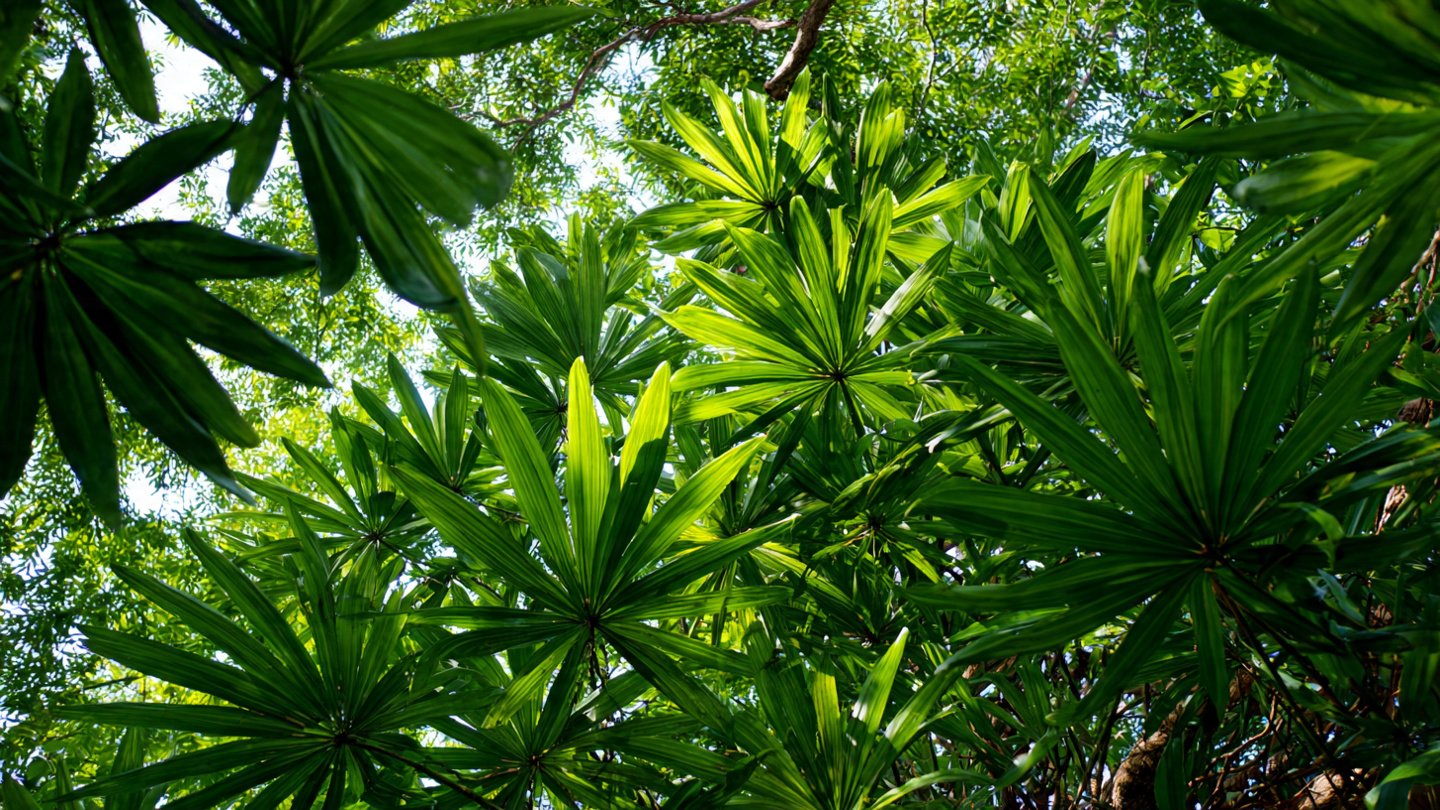
The Lady Palm (Rhapis excelsa) is a popular indoor and outdoor plant known for its elegant appearance and resilience. Native to tropical and subtropical regions of Asia, it can thrive in various conditions, making it an ideal choice for shaded outdoor environments. If you are considering growing Lady Palms in your backyard or garden, this comprehensive guide will provide you with essential tips and best practices to ensure their successful growth.
Understanding Lady Palms
Before diving into care tips, it’s vital to understand the characteristics of the Lady Palm. This plant can grow up to 10 feet tall and features lush, fan-shaped leaves that are typically dark green. Lady Palms are also known for their ability to filter indoor air pollutants, making them fantastic houseplants. However, they thrive exceptionally well in shaded outdoor conditions, where direct sunlight is minimal.
Choosing the Right Location
1. Assess Your Shade Level
Lady Palms prefer filtered sunlight or light shade. Full shade is acceptable, but the ideal situation would be dappled sunlight throughout the day. Evaluate your yard or garden to determine where you can achieve the best lighting conditions:
- Light Shade: Areas that receive a few hours of sunlight throughout the day.
- Partial Shade: Locations that are shaded during the hottest part of the day (midday to afternoon).
- Full Shade: Complete protection from direct sunlight, suitable if other conditions like humidity are right.
2. Protect from Wind
Choose a location that helps shield the plant from strong winds, which can damage the leaves. Areas near fences or taller structures can provide a natural windbreak while still offering the necessary shade.
Soil Preparation
3. Use Well-Draining Soil
Lady Palms require well-aerated and well-draining soil. Heavy, compacted soil can lead to root rot. Here’s how to prepare the soil:
- Mix Organic Matter: Integrate peat moss, compost, or well-rotted manure into your soil to improve its structure.
- Consider pH Levels: Aim for a slightly acidic to neutral pH (5.5 to 7.5) to provide optimal growing conditions.
4. Mulching
Applying a layer of organic mulch (like bark chips or wood shavings) helps retain moisture, suppress weeds, and regulate soil temperature. Ensure the mulch is not piled up against the plant’s trunk to prevent rot.
Watering Guidelines
5. Maintain Consistent Moisture Levels
Lady Palms prefer consistently moist soil but can be sensitive to overwatering. Follow these tips:
- Watering Schedule: Water the plants when the top inch of soil feels dry. In hot summer months, you may need to water more frequently.
- Drainage: Always ensure that the pot or planting area has adequate drainage to prevent standing water.
6. Monitor Humidity
Lady Palms enjoy humidity, making them suitable for subtropical and humid environments. If you live in a dry area, consider:
- Misting: Occasionally misting the leaves can help maintain humidity levels.
- Group Planting: Planting multiple Lady Palms together can create a microclimate, retaining moisture in the vicinity.
Fertilization
7. Use a Balanced Fertilizer
Lady Palms do not require heavy fertilization, but providing nutrients can promote healthy growth. Opt for a slow-release, balanced fertilizer (like 10-10-10 or 20-20-20) during the growing season (spring and summer):
- Application: Follow the manufacturer’s instructions for dosage and frequency.
- Timing: Fertilizing early in the growing season will help the plants recover from winter and kickstart new growth.
Pruning and Maintenance
8. Regular Pruning
Pruning helps maintain the shape of the plant and promotes better air circulation. Here’s how to do it:
- Remove Brown Leaves: Trim away any dead or yellowing fronds to improve the plant’s appearance and health.
- Shape the Plant: If needed, selectively prune to maintain the desired size or shape.
9. Pest Management
While Lady Palms are relatively pest-resistant, occasionally, they may encounter issues with common pests like spider mites, scale, or mealybugs. Here’s how to manage them:
- Regular Inspections: Check your plants regularly for signs of pests.
- Natural Remedies: Use insecticidal soap or neem oil for treatment, following the instructions for application.
Planting
10. Planting Techniques
When planting Lady Palms in the ground or in pots, follow these steps:
- Digging the Hole: For in-ground planting, dig a hole twice the diameter of the root ball but no deeper than the root ball itself.
- Aiding Establishment: If planting in pots, ensure the pot size allows for growth. Use pots with drainage holes to prevent waterlogging.
Winter Care
11. Protect from Frost
In regions with cold winters, consider protecting your Lady Palm from frost:
- Covering: Use frost cloths or blankets during cold spells.
- Containerized Plants: If in pots, move them to a sheltered location such as a porch during cold snaps.
Common Challenges
12. Addressing Leaf Discoloration
Yellow or brown leaves can indicate various issues:
- Underwatering: Ensure you’re watering regularly, especially in hot weather.
- Overwatering: Conversely, yellowing can also occur from too much water or poor drainage.
13. Stunted Growth
If your Lady Palm seems to be growing slowly, consider the following:
- Nutrient Deficiency: Regular fertilization can help. Assess whether you need to adjust your fertilization schedule.
- Light Conditions: Ensure they are getting enough filtered light while still being protected from intense sunlight.
Conclusion
Growing Lady Palms in shaded outdoor environments can be both rewarding and easy if you follow the right practices. Their elegant appearance, low maintenance, and ability to adapt to various conditions make them an exceptional choice for any garden. Remember to pay attention to soil conditions, watering needs, and pest management to ensure your Lady Palms remain healthy and lush.
FAQs
1. How much sunlight do Lady Palms need?
Lady Palms thrive in light shade or filtered sunlight. They can tolerate full shade but perform best with some indirect sunlight.
2. How often should I water my Lady Palm?
Water your Lady Palm when the top inch of soil feels dry. This varies based on climate; expect to water more frequently in hot or windy conditions.
3. What type of fertilizer should I use?
A balanced, slow-release fertilizer is ideal during the growing season (spring and summer). Follow the manufacturer’s instructions for application rates.
4. How can I increase humidity around my Lady Palm?
You can increase humidity by misting the leaves, grouping plants together, or placing a humidity tray filled with water and pebbles under the pot.
5. What pests should I watch for?
Common pests to look out for include spider mites, scale, and mealybugs. Regularly inspect your plants and treat any infestations promptly using insecticidal soap or neem oil.
6. Can Lady Palms survive winter conditions?
In regions with cold winters, provide protection from frost, especially for outdoor plants. Move potted plants indoors or to a sheltered area during extreme weather.
By following these essential tips, you can create a thriving environment for your Lady Palms, ensuring their beauty and health for years to come. Enjoy your gardening experience!