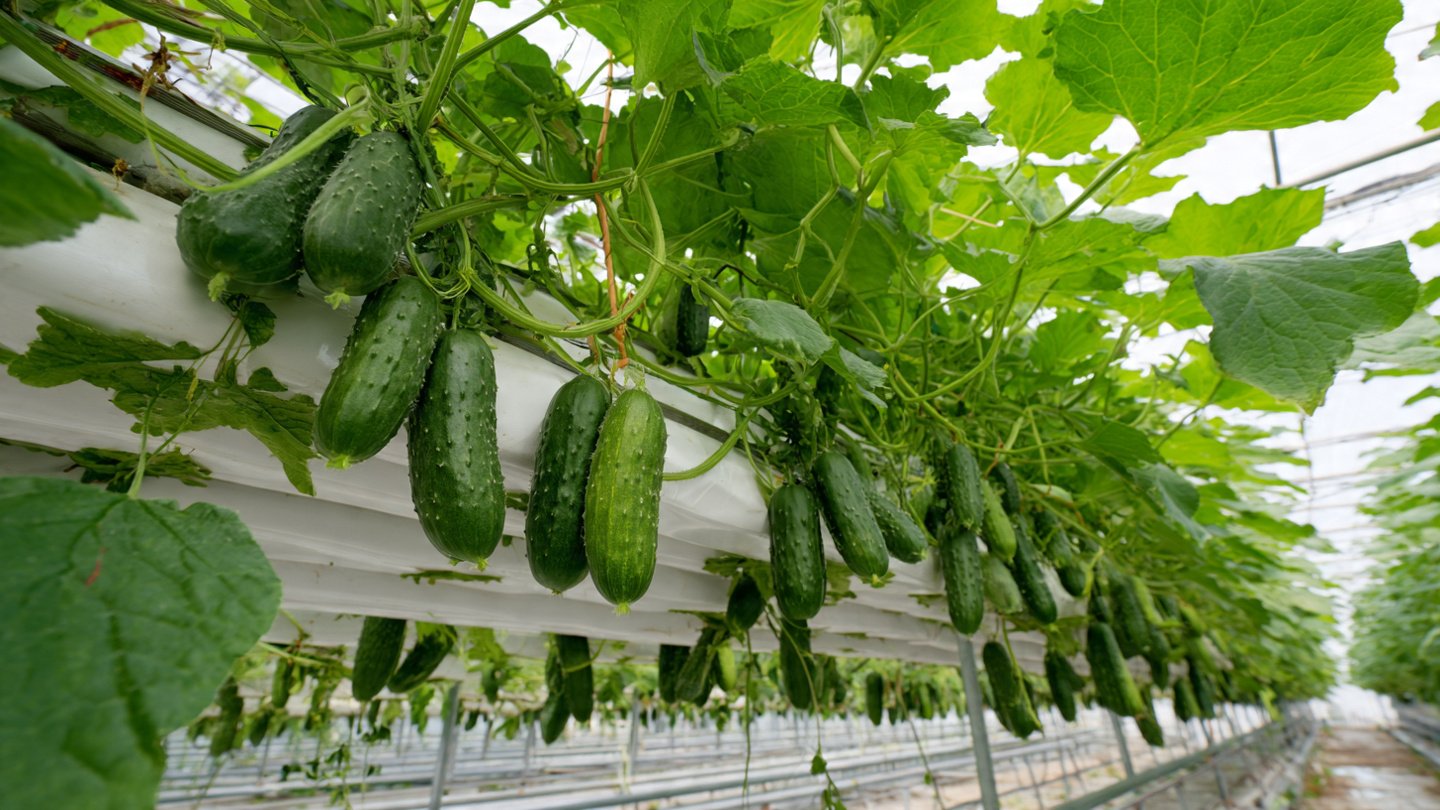
Bitter gourd, also known as bitter melon or Momordica charantia, is a unique vegetable that has garnered attention not only for its health benefits but also for its interesting growth characteristics. With an increasing urban population and dwindling agricultural land, optimizing space in gardening and farming is crucial. Vertical growing techniques offer an innovative approach for growing various plants, including bitter gourd. This article explores the secrets of optimizing space through vertical gardening techniques specifically tailored for bitter gourd and answers some frequently asked questions.
Understanding Bitter Gourd and Its Benefits
Before diving into vertical growing techniques, it’s important to understand what bitter gourd is and why it’s a valuable addition to any garden. Bitter gourd is a climbing plant that thrives in warm climates. It is well-known for its health benefits, which include:
- Blood Sugar Regulation: Contains compounds that may help lower blood sugar levels.
- Rich in Nutrients: Packed with vitamins A, C, and B, as well as minerals like iron and potassium.
- Antioxidant Properties: Offers antioxidants that combat free radicals in the body.
- Digestive Benefits: Known to aid in digestion and improve gut health.
Given these benefits, optimizing space for growing bitter gourd can have both environmental and health advantages.
The Importance of Vertical Gardening
Vertical gardening is an innovative solution to space constraints in urban settings. By utilizing vertical space, gardeners can:
- Increase crop yield: Growing upwards allows for greater density.
- Improve air circulation: Elevated plants often face fewer diseases.
- Enhance aesthetics: Vertical gardens can be visually appealing, making them excellent for urban landscapes.
- Reduce pest infestation: Pests are less likely to reach higher plants.
Choosing the Right Location
The first step in any gardening endeavor is selecting a suitable location. Bitter gourd requires a warm environment with plenty of sunlight. When considering vertical gardening:
- Sun Exposure: Ensure the chosen area receives at least 6-8 hours of direct sunlight.
- Accessibility: Position the garden where you can easily reach the plants for maintenance and harvesting.
- Wind Protection: Vertical structures can act as windbreaks, but ensure plants aren’t exposed to strong winds that could damage them.
Selecting the Right Structure
Various vertical growing structures can be utilized for bitter gourd. Here are some innovative options:
-
Trellises: These are traditional vertical gardening frameworks made from wood, metal, or plastic. They can be customized to different heights and widths, providing ample space for bitter gourd vines to climb.
-
Vertical Planters: These are stacked containers that utilize vertical space effectively. They can be made from various materials, including plastic, wood, or metal, and can house multiple plants in a smaller footprint.
-
Hanging Baskets: Utilizing hanging baskets is another creative technique. By suspending baskets, you can free up ground space while allowing bitter gourd to dangle and climb.
-
Wall Gardens: If you have limited ground area, consider a wall garden. These systems often utilize pockets or panels to hold soil and plants, effectively utilizing wall space.
-
Pallet Gardens: Repurpose old wooden pallets as vertical planters. Place soil in the sections of the pallet, and let the bitter gourd vines climb outward.
Preparing the Soil
The success of vertical gardening with bitter gourd hinges on proper soil preparation. Follow these steps:
-
Soil Type: Use a well-draining soil mix. A blend of potting soil, coconut coir, and perlite is ideal for container planting.
-
Nutrient-Rich Additions: Incorporate organic matter such as compost or well-rotted manure to provide essential nutrients.
-
pH Level: Bitter gourd thrives in slightly acidic to neutral soil (pH 6.0-7.0). Test your soil and amend as needed.
Planting Bitter Gourd
When planting bitter gourd vertically, it’s crucial to follow certain steps to ensure successful germination and growth:
-
Seed Selection: Choose seeds that are disease-resistant and suitable for vertical growing. Many companies offer specifically bred varieties for vertical gardens.
-
Starting Indoors: If you live in a cooler climate, consider starting seeds indoors 4-6 weeks before the last frost date. Use seed trays with quality seed starter mix.
-
Transplanting: Once seedlings have developed 3-4 true leaves and the outdoor conditions are suitable, transplant them into your vertical structure.
-
Spacing: Bitter gourd plants need adequate space to flourish. Ensure they have at least 12-15 inches between each plant to allow for growth.
Care and Maintenance
Maintaining a vertical bitter gourd garden requires regular care, including watering, fertilization, and pest management.
-
Watering: Bitter gourd plants need consistent moisture but do not like soggy roots. Water regularly but allow the soil to dry slightly between watering sessions.
-
Fertilization: Use a balanced fertilizer every 4-6 weeks. Additionally, consider using a liquid fertilizer to boost nutrient availability during the growing season.
-
Training the Vines: As the vines grow, gently guide them onto the vertical structure. Use soft ties or garden twine to secure them without constricting growth.
-
Pest Management: Regularly inspect plants for pests such as aphids, whiteflies, and spider mites. Employ organic pest control methods like neem oil or insecticidal soap when necessary.
-
Pruning: Prune excess foliage to promote better air circulation and encourage better fruiting.
Harvesting Bitter Gourd
Bitter gourd is typically ready for harvest 2-3 months after planting. Look for firm, bright green fruits that are still tender. Harvesting early will result in less bitterness while allowing for a more pleasant taste.
- Regular Harvesting: Picking fruits regularly encourages the plant to produce more. Aim to harvest before the fruit turns yellow and matures further.
Frequently Asked Questions (FAQs)
1. How much space do I need for vertical bitter gourd gardening?
Vertical gardening significantly reduces the need for horizontal space. You can grow several plants in a small area, but ideally, each bitter gourd plant should have about 12-15 inches of space for optimal growth.
2. Can I grow bitter gourd in containers?
Yes! Bitter gourd grows well in containers. Choose a pot that is at least 12 inches deep and wide. Ensure it has drainage holes and use a light potting mix.
3. What are the best companion plants for bitter gourd?
Companion planting can enhance garden success. Good companions for bitter gourd include beans, corn, and marigolds, which can help deter pests.
4. How can I improve yields in vertical bitter gourd gardening?
To improve yields, ensure that your plants receive full sun, adequate water, and nutrients. Regular pruning and pest control also contribute to healthier plants and better yields.
5. Is bitter gourd suitable for beginners?
Yes, while it has specific growing needs, bitter gourd can be grown by beginners who follow proper guidelines and are aware of the plant’s requirements.
Conclusion
In summary, optimizing space with innovative vertical growing techniques can lead to successful bitter gourd cultivation, even in small urban gardening environments. Through thoughtful planning, appropriate structures, and careful maintenance, any gardener can enjoy the health benefits of this unique vegetable. With the right techniques, you can maximize your gardening potential while enjoying the rich flavors and health benefits that bitter gourd has to offer. Happy gardening!