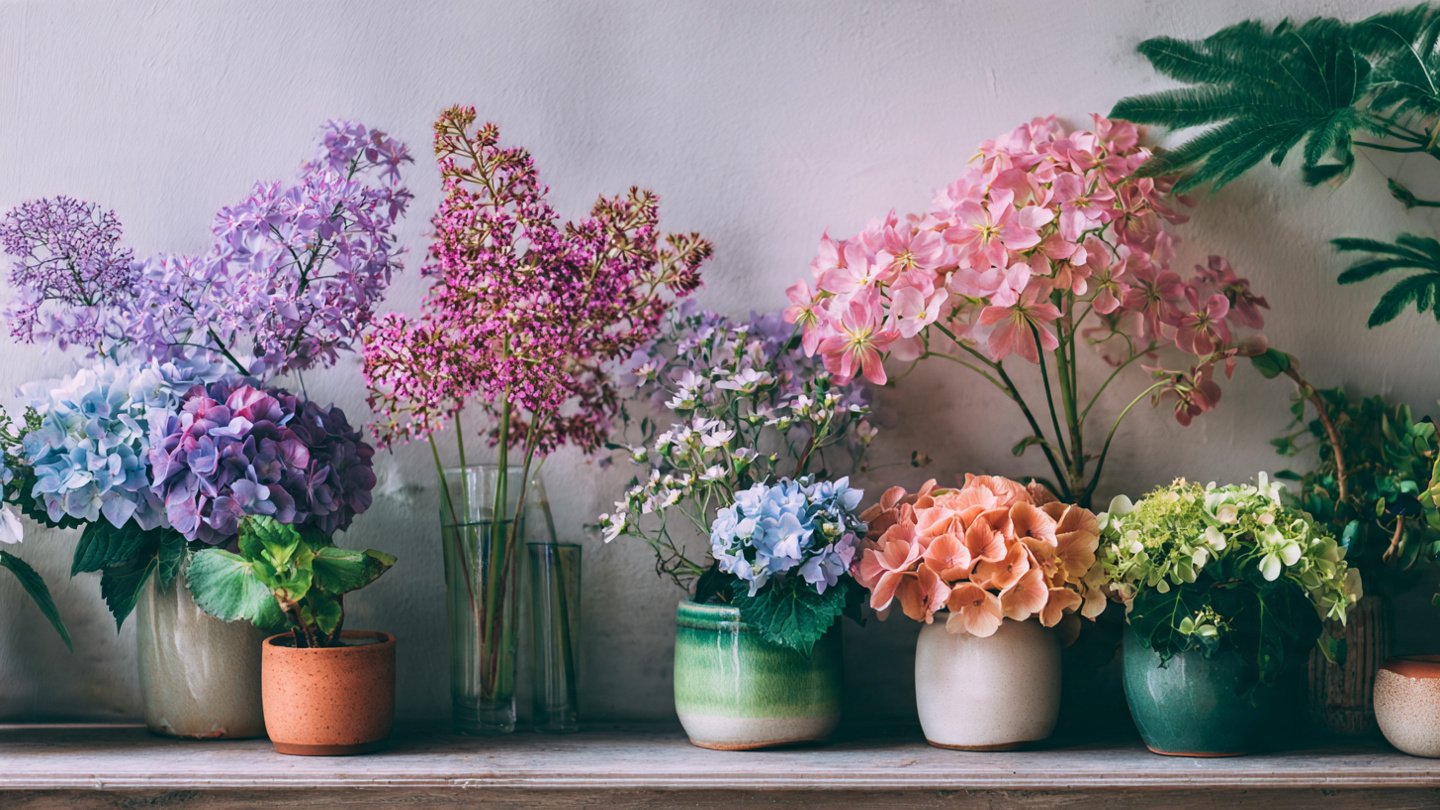
Growing soft stem flowers indoors can be a rewarding endeavor, bringing vibrancy and life into your home. With the right knowledge and care, you can cultivate beautiful blooms that brighten up any space. This guide provides everything you need to know about successfully growing soft stem flowers indoors, from selecting the right varieties to caring for them and troubleshooting common issues.
Understanding Soft Stem Flowers
Soft stem flowers are characterized by their flexible, soft stems that often require support as they grow tall. They usually thrive in well-draining soil and require moderate light, making them suitable for indoor gardening. Examples include:
- Zinnias: Known for their bright colors and long-lasting blooms.
- Petunias: Versatile and thrive in various environments.
- Snapdragons: Have a unique structure and vibrant hues.
- Gerbera Daisies: Popular for their large, cheerful flowers.
Choosing the Right Varieties
When selecting soft stem flowers for indoor growth, consider the following factors:
-
Light Requirements: Some flowers require more light than others. If your space has limited sunlight, choose shade-tolerant varieties like impatiens.
-
Space: Consider the mature size of the plants. Plants like zinnias can grow taller, requiring more room, while smaller varieties can thrive in compact spaces.
-
Bloom Time: Some plants bloom continuously, while others have specific blooming seasons. If you want year-round color, opt for varieties known for extended blooming periods.
Preparing Your Indoor Space
-
Lighting: Most soft stem flowers prefer bright, indirect sunlight. A south-facing window is ideal. If natural light is inadequate, consider using grow lights to provide the necessary illumination.
-
Humidity: Soft stem flowers typically prefer humidity levels between 40-60%. Consider using a humidifier or placing a tray filled with water and pebbles near the plants to increase humidity.
-
Temperature: Most soft stem flowers thrive in temperatures ranging from 65°F to 75°F. Avoid placing them in drafty areas or near heating vents, as sudden temperature fluctuations can stress the plants.
-
Potting and Soil: Use well-draining potting soil to prevent root rot. A mix designed for flower gardens often contains peat moss, perlite, and vermiculite, which provide adequate drainage and aeration.
Planting Soft Stem Flowers Indoors
1. Seeds vs. Transplants
Depending on the time of year and your preference, you can choose to start with seeds or buy transplants from a nursery. For beginners, transplants offer the advantage of seeing immediate growth.
2. Sowing Seeds
- Timing: Start seeds 6-8 weeks before the last expected frost.
- Depth: Follow the seed packet instructions for planting depth.
- Spacing: Ensure adequate space between seeds to allow airflow and growth.
3. Transplanting Seedlings
If you are planting seedlings, choose a pot slightly larger than the original container. Carefully handle the seedlings by their leaves to avoid damaging the delicate stems.
Care and Maintenance
Watering
Proper watering is critical for the healthy growth of soft-stem flowers. Here’s how to do it effectively:
- Frequency: Water when the top inch of soil feels dry. Overwatering can lead to root rot, while underwatering can stress the plants.
- Method: Water at the base of the plant to avoid wetting the leaves, which can lead to fungal diseases.
Fertilization
Soft stem flowers benefit from a balanced fertilizer during the growing season. A liquid all-purpose fertilizer diluted to half strength can be applied every 4-6 weeks.
- Organic Options: Consider using compost or organic fertilizers to nourish your plants naturally.
Pruning
Regular pruning encourages bushier growth and can prolong blooming. Deadhead spent flowers to promote new blooms and remove any yellowing or damaged leaves to improve airflow and reduce disease risk.
Pest and Disease Management
Indoor flowers can face various pests and diseases. Preemptive care and regular monitoring are key to a healthy garden.
-
Common Pests: Aphids, spider mites, and whiteflies are frequent visitors. Introduce natural predators like ladybugs or use insecticidal soap as a preventive measure.
-
Fungal Diseases: Overhead watering can lead to fungal issues. Ensure proper air circulation around the plants and avoid watering the leaves.
Providing Support
As they grow, some soft stem flowers may require staking to support their height and prevent breaking. Use bamboo stakes or other support systems to gently secure the stems.
Seasonal Considerations
Winter Care:
If you are growing soft stem flowers during winter months, ensure they receive adequate light and warmth. You may need to adjust your watering routine, as the plants might use less water in lower light conditions.
Summer Care:
In summer, monitor humidity levels closely, as warm temperatures can dry out the air. Ensure to rotate your plants weekly to promote even growth.
Harvesting and Enjoying Your Flowers
Once your flowers bloom, harvesting can be enjoyable. Cut stems in the morning for the freshest flowers, using clean, sharp shears. Place them in water immediately and enjoy the vibrant blooms in your home!
FAQs
1. How often should I water my indoor flowers?
Water when the top inch of soil feels dry. Typically, this can range from a few times a week to once a week, depending on the plant and environmental conditions.
2. Can I grow soft stem flowers year-round indoors?
Yes! With proper lighting, temperature control, and humidity management, many soft stem flowers can bloom throughout the year.
3. What light conditions do soft stem flowers need?
Most soft stem flowers thrive in bright, indirect light. South or west-facing windows are ideal, but you can augment with grow lights if necessary.
4. What should I do if my flowers aren’t blooming?
Ensure they are receiving enough light, water, and nutrients. Sometimes, a lack of blooms can result from stress due to extreme temperatures or pests.
5. Is it safe to use chemical fertilizers on indoor plants?
While chemical fertilizers can be effective, many gardeners prefer organic options to avoid chemicals in the home environment. Choose fertilizers labeled safe for indoor use.
6. What can I do if my plants have pests?
Isolate affected plants to prevent the spread and treat them with insecticidal soap or neem oil. Introducing beneficial insects like ladybugs can also help.
7. How do I know if I am overwatering?
Watch for yellowing leaves, mushy stems, or a foul odor from the soil. Adjust your watering schedule to allow the soil to dry out more between waterings.
8. Can I propagate my soft stem flowers?
Yes, many soft stem flowers can be propagated through cuttings. Snip a healthy stem below a leaf node, place it in water or soil, and ensure it retains humidity until roots develop.
Conclusion
Growing soft stem flowers indoors can fill your home with vibrancy and life, providing joy and satisfaction. With diligent care, attention to their needs, and an understanding of the challenges they face, you can enjoy the beauty of blooming flowers year-round. Happy gardening!