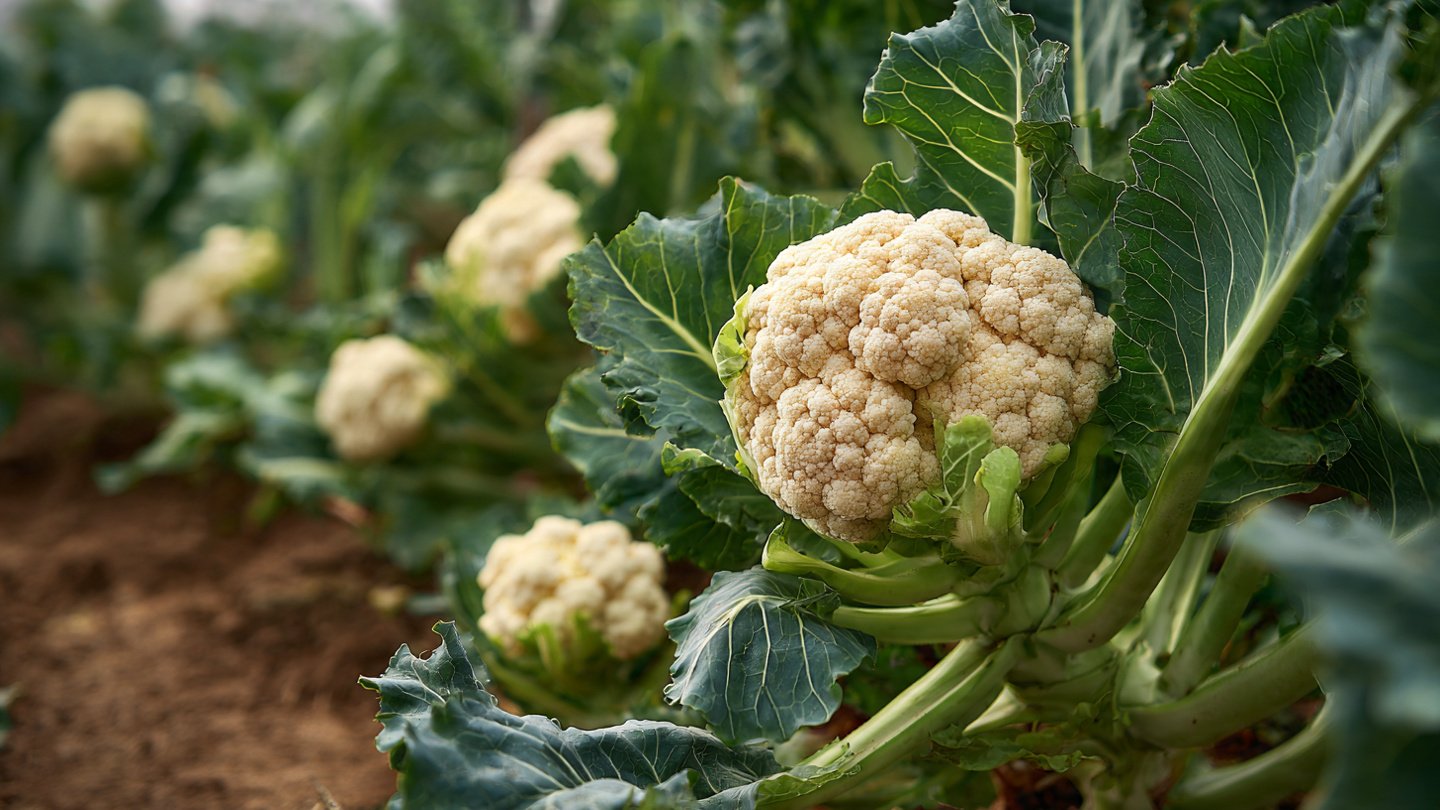
Cauliflower, a member of the Brassica family, is a versatile vegetable celebrated for its nutritional value and culinary applications. While typically associated with cooler climates, growing cauliflower in warm regions year-round is achievable with the right knowledge and techniques. This guide will explore everything you need to know about successfully cultivating cauliflower in warm climates, including soil preparation, planting techniques, pest management, and seasonal considerations.
Understanding Cauliflower
Nutritional Benefits
Cauliflower is low in calories and high in vitamins, minerals, and antioxidants. It contains significant amounts of vitamin C, vitamin K, folate, and fiber, making it a great addition to any diet. Its unique composition can promote heart health, support digestion, and may even help prevent certain cancers.
Varieties of Cauliflower
There are several varieties of cauliflower, each with its unique characteristics:
- White Cauliflower: The most common variety, known for its white curds.
- Purple Cauliflower: Rich in anthocyanins, giving it a vibrant color.
- Green Cauliflower (Broccoflower): A hybrid between broccoli and cauliflower, it offers a slightly different flavor.
- Orange Cauliflower: Contains more beta-carotene than its white counterpart, giving it a distinctive color and nutritional benefits.
Understanding these varieties will help you choose the best one suited for your climate and culinary preferences.
Preparing for Cauliflower Cultivation
Choosing the Right Location
Cauliflower thrives in full sun, but in warm climates, it benefits from some afternoon shade. Look for a site that fosters good air circulation to reduce the risk of fungal diseases.
Soil Preparation
Select well-draining, loamy soil with a pH between 6.0 and 7.0. Here’s how to prepare your soil:
- Testing the Soil: Use a soil test kit to determine nutrient levels and pH. This will guide you in amendment selection.
- Amending the Soil: Incorporate organic matter such as compost or well-rotted manure to improve soil fertility and structure.
- Tillage: Turn and aerate the soil to a depth of about 12 inches to encourage root growth.
Planning Your Growing Schedule
In warmer climates, cauliflower can be grown year-round by strategically timing plantings. Plant in:
- Spring (March to May): Start seeds indoors or directly in the garden, about 4 to 6 weeks before the last frost.
- Fall (August to September): Plant again to harvest in cooler fall and winter months.
Planting Cauliflower
Seed Selection
Choose disease-resistant seeds that are suitable for your local climate. It’s advisable to select varieties known for tolerance to heat and humidity.
Sowing Seeds
- Starting Indoors: In warm climates, start seeds indoors 4 to 6 weeks before your last frost date. Use seed trays or small biodegradable pots filled with a seed-starting mix.
- Transplanting: Move seedlings to the garden when they have 2-3 true leaves and the outdoor temperatures are consistently above 50°F (10°C).
Direct Sowing
For direct sowing:
- Spacing: Plant seeds about 1 inch apart, in rows spaced 24 inches apart. Thin seedlings to 12 to 18 inches apart once they have developed a few true leaves.
- Depth: Plant seeds approximately 0.5 inches deep.
Watering
Cauliflower requires consistent moisture. Water deeply once a week, or more frequently during dry spells. Drip irrigation or soaker hoses are effective methods for delivering water directly to the roots while minimizing leaf wetness.
Care and Maintenance
Fertilization
Fertilize your cauliflower regularly, especially when plants are actively growing. Use a balanced fertilizer (like 10-10-10) or one that is higher in nitrogen. Follow the manufacturer’s instructions regarding application rates and timing.
Mulching
Applying a layer of mulch can help retain soil moisture, suppress weeds, and keep the roots cool. Organic mulches like straw or shredded leaves work well.
Pest Management
Cauliflower is prone to various pests and diseases, including:
- Aphids: These sap-sucking insects can cause stunted growth. Use insecticidal soap or natural predators like ladybugs.
- Cabbage Worms: Handpicking and the use of row covers can help control these pests.
- Fungal Diseases: Avoid overhead watering and ensure good air circulation to prevent diseases like powdery mildew.
Environmental Stress
Heat can be detrimental to cauliflower, affecting the size and quality of the curds. To mitigate this:
- Shade Cloth: Use shade cloth on particularly hot days to provide shelter from intense sunlight.
- Proper Watering: Maintain consistent soil moisture to help plants cope with heat stress.
Monitoring and Harvesting
Checking for Maturity
Cauliflower heads are ready to harvest when they are firm, compact, and around 6-8 inches in diameter.
Harvesting Techniques
- Timing: Harvest in the morning when temperatures are cooler for better quality.
- Cutting: Use a sharp knife to cut the head from the plant, leaving a few leaves intact to protect the curd.
Post-Harvest Care
Store harvested cauliflower in a cool, dark place. It is best used fresh but can be refrigerated for up to a week.
Troubleshooting Common Issues
Leaf Discoloration
Yellowing leaves can indicate nutrient deficiencies, often nitrogen or magnesium. Address this by adjusting your fertilizer program.
Slow Growth
This could be due to poor soil conditions, insect infestations, or inadequate watering. Examine the roots, check for pests, and ensure that the plants are watered appropriately.
Small or Loose Heads
High temperatures during head formation can result in small, lackluster heads. Ensure adequate moisture and consider growing heat-tolerant varieties.
Conclusion
Growing cauliflower in warm climates year-round can be a rewarding endeavor with the right techniques. By carefully selecting the right varieties, preparing the soil, and implementing proper care and maintenance, you can enjoy fresh cauliflower throughout the year.
FAQs
1. Can I grow cauliflower in summer?
While cauliflower prefers cooler temperatures, with careful management of watering and providing shade, you can successfully grow it in the warm summer months.
2. How do I know when to harvest?
Harvest cauliflower heads when they are firm and measure about 6-8 inches in diameter. The curds should be compact and free of discoloration.
3. What soil conditions are best for cauliflower?
Cauliflower thrives in well-draining, loamy soil with a pH level between 6.0 and 7.0.
4. Are there specific pests to watch for?
Common pests include aphids, cabbage worms, and flea beetles. Regular monitoring and integrated pest management practices can help control these issues.
5. Can I grow cauliflower in containers?
Yes, cauliflower can be grown in large containers as long as they have adequate depth (at least 12-18 inches) and good drainage.
6. What diseases affect cauliflower?
Watch out for fungal diseases like powdery mildew and downy mildew. Practice crop rotation and ensure good air circulation to minimize risks.
7. How much sun does cauliflower need?
Cauliflower requires full sun but will benefit from some afternoon shade, especially in particularly hot climates.
By following these guidelines, you can successfully cultivate cauliflower in warm climates, bringing this nutrient-rich vegetable from your garden to your table year-round. Happy gardening!