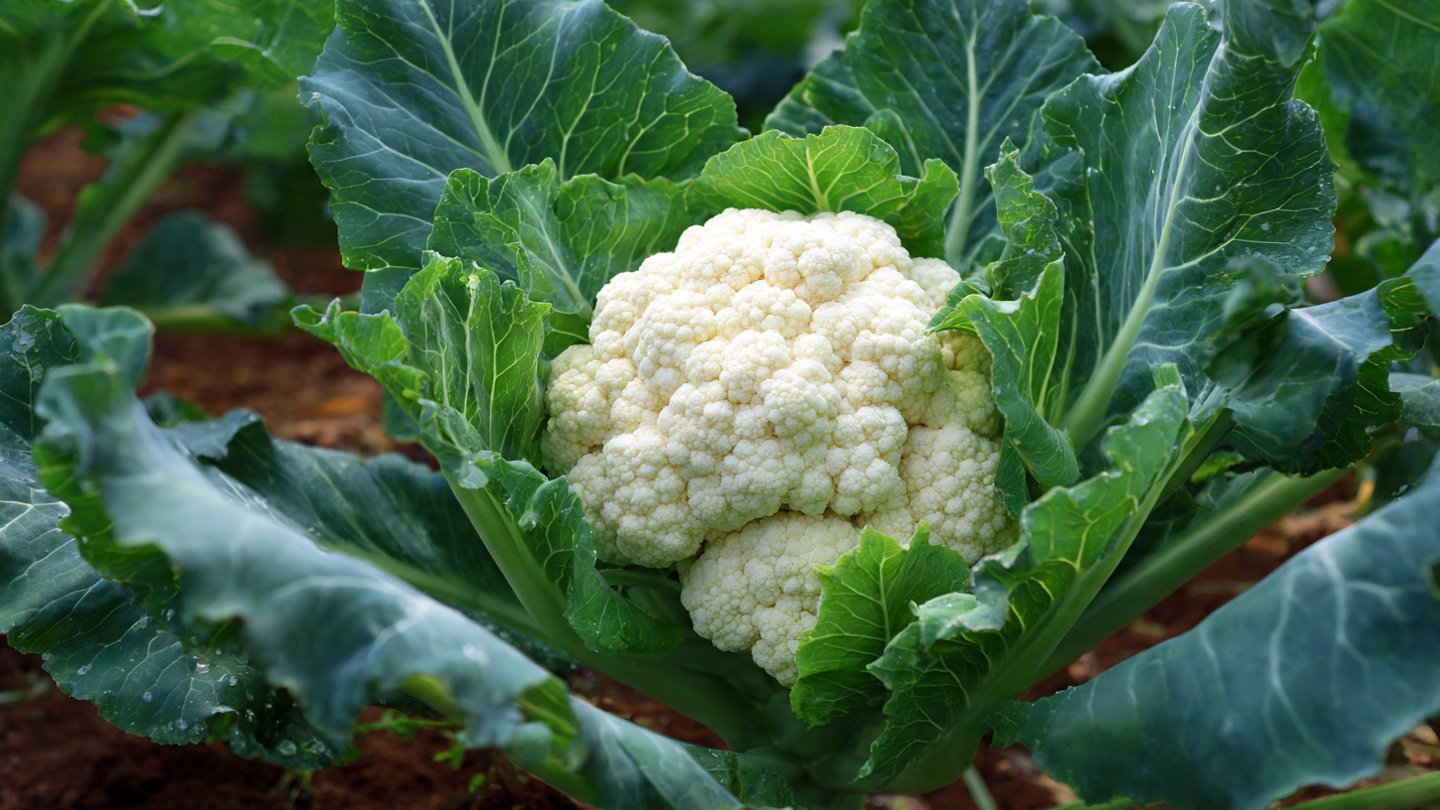
Growing cauliflower in containers can be both accessible and rewarding for beginners Cauliflower is a versatile vegetable that works well in various dishes from soups to salads and even as a lowcarb alternative to grains With the right approach you can cultivate this nutritious vegetable in a limited space such as a balcony patio or even a small garden area
Choosing the Right Container
When it comes to selecting a container for growing cauliflower size matters Go for a pot that is at least 12 to 18 inches deep This depth allows the roots to spread out and absorb nutrients effectively Make sure your pot has drainage holes to prevent water buildup which can lead to root rot
Consider using materials such as plastic ceramic or clay Each has its benefits Clay pots are porous allowing for better air circulation while plastic is lightweight and retains moisture better Choose a container that suits your climate and personal preferences
Selecting Cauliflower Varieties
Cauliflower comes in a variety of types that you can grow in your container garden Common types include traditional white cauliflower and colorful varieties such as purple orange and green When selecting your seeds or seedlings check which variety is best suited for your local climate Some varieties are more frostresistant while others thrive in warmer temperatures
Germinating Seeds
If you opt to grow cauliflower from seeds start by germinating them indoors about four to six weeks before the last expected frost date Fill seed trays or small pots with seedstarting mix Plant the seeds about half an inch deep and lightly cover them with soil Water the trays and keep them in a warm and sunny location Once the seeds germinate and produce a few true leaves you can transfer them to larger pots
Transplanting Seedlings
When your seedlings reach about four inches in height it is time to transplant them into their final container Before transplanting harden off the seedlings by gradually exposing them to outdoor conditions over a week This process helps them adjust to their new environment
Space the seedlings about 12 to 18 inches apart within the container to allow enough room for growth After hardening off gently remove the seedlings from their trays taking care not to disturb the roots too much and place them into the prepared container
Soil Requirements
The soil you select is vital for the success of your cauliflower If growing in containers choose a welldraining potting mix that is rich in organic matter A mix that contains compost or wellrotted manure adds vital nutrients that will support plant growth It is also important that the soil has a slightly acidic to neutral pH level around 65 to 70
Mixing in perlite or vermiculite can enhance drainage and aeration within the soil making it easier for the cauliflower roots to grow healthy and strong
Watering and Fertilizing
Cauliflower requires consistent moisture to grow well However it is essential to avoid overwatering which can lead to root rot Water the plants when the top inch of the soil feels dry Make sure to provide deep watering to encourage robust root development Using a soaker hose or drip irrigation system can help maintain consistent moisture levels without excessive water on the leaves
Fertilizing cauliflower is equally important as it is a heavy feeder Apply a balanced fertilizer every four to six weeks during the growing season Look for fertilizers high in nitrogen to promote leafy growth and avoid formulas that are too high in phosphorus which can impede head development
Sunlight and Temperature Requirements
Cauliflower thrives in full sunlight and requires at least six hours of direct sunlight each day If you are growing in a container on a balcony or patio be sure to place it in a spot that receives ample sunlight Avoid shaded areas as they may hinder the plant’s growth
Temperature also plays a crucial role Cauliflower grows best in cooler weather ideally between 60 to 70 degrees Fahrenheit If your area experiences high temperatures consider providing shade midday during peak heat or plan to grow your cauliflower during the spring and fall months
Pest and Disease Management
Growing cauliflower can attract various pests such as aphids cabbage worms and flea beetles Regular monitoring of your plants is essential to catch any infestations early Use row covers to protect young plants from pests and encourage beneficial insects that can help control pest populations
If you notice signs of disease such as yellowing leaves or wilting take immediate action Remove affected leaves and improve airflow around your plants Regularly inspect the soil for any signs of mold or mildew to ensure a healthy growing environment
Harvesting Cauliflower
After approximately 70 to 100 days of growth cauliflower heads will begin to form When the heads reach about six to eight inches in diameter it is time to harvest Look for compact heads that are firm and tightly closed The best time to harvest is in the morning when plants are fresh and cool
Use a sharp knife to cut the head off at the base leaving a few outer leaves to protect the plant This will allow for further growth and potentially produce smaller side heads you can also harvest some of these for continued yields
Storing and Using Harvested Cauliflower
Once harvested cauliflower can be stored in the refrigerator for up to a week for the freshest flavor Store heads in a plastic bag to keep moisture in but ensure it is not too tightly sealed to avoid condensation Once you are ready to use your cauliflower you can prepare it in various ways Cooking steaming or roasting enhances its natural flavors and allows for creative culinary uses
Container Maintenance
Regular maintenance is crucial for the longevity of your container garden Keep your plants healthy by monitoring soil moisture levels and providing the necessary nutrients When growing in containers it’s easy to overlook the depletion of soil nutrients Keep an eye on your plants and be proactive in adding fertilizer when needed
As the growing season progresses be sure to remove any dead or yellowing leaves from your plants This promotes airflow and reduces the risk of diseases also consider rotating your crops year to year to help prevent soilborne pests and diseases
Troubleshooting Common Issues
Sometimes things won’t go as planned when growing cauliflower in containers Here are a few common issues and how to address them
- Leggy Growth This could be due to insufficient light Move your containers to a sunnier location or consider using grow lights
- Poor Head Development This can happen if the plant is stressed due to inconsistent watering or temperature extremes Ensure that conditions are optimal for your plants
- Yellow Leaves This may indicate nutrient deficiency or overwatering Assess your watering schedule and consider adding fertilizer if needed
FAQs
What is the best time to plant cauliflower in containers
The best time is usually in early spring or late summer depending on your climate
Can I grow cauliflower in a small pot
While possible it is better to use a larger container for better root development
How often should I water my container cauliflower
Water when the top inch of soil feels dry typically every few days depending on weather conditions
What pests should I watch out for
Common pests include aphids cabbage worms and flea beetles Regular inspections can help
Can I grow cauliflower yearround in containers
Cauliflower generally prefers cooler temperatures and is best grown in spring and fall in most regions