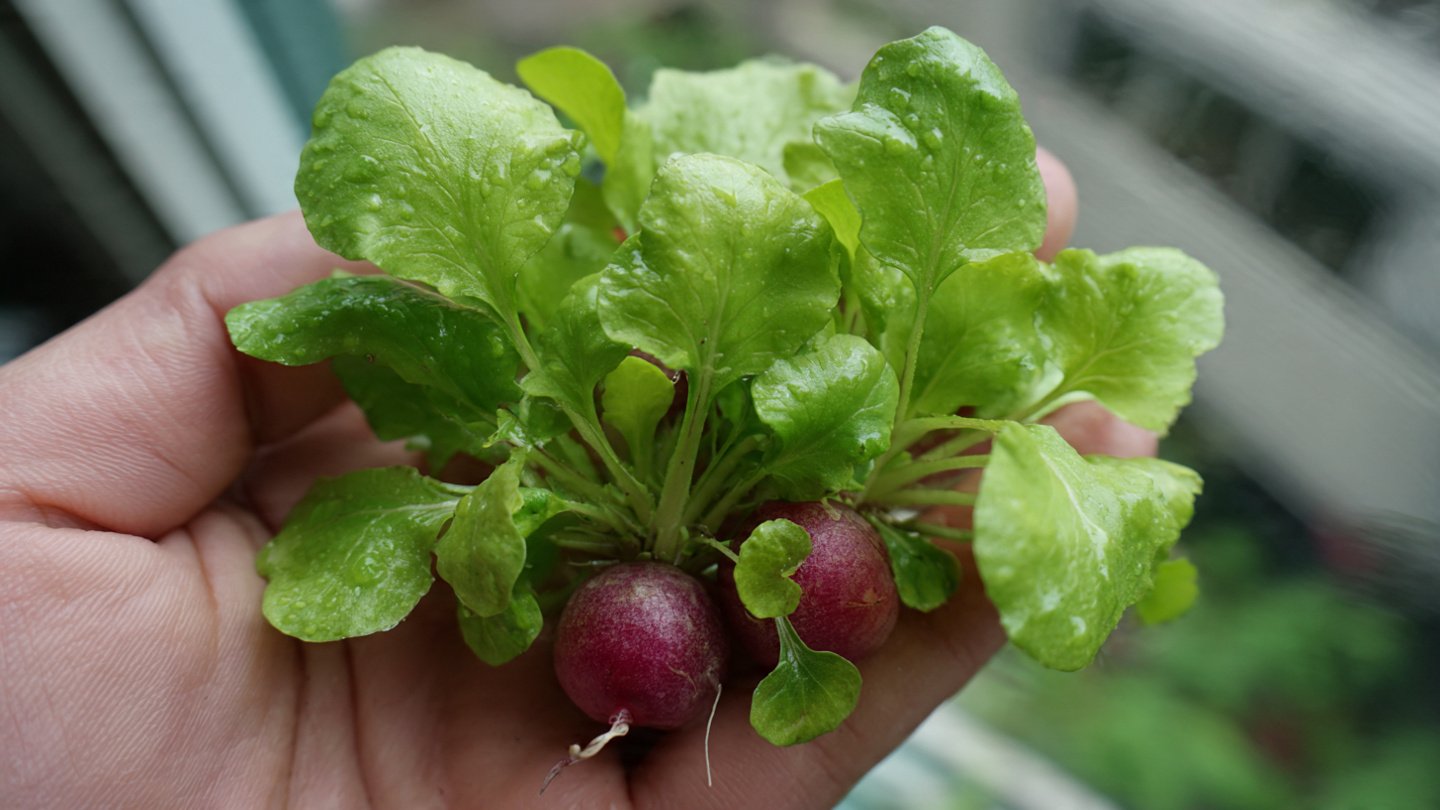
Radish greens are often overlooked in favor of the root—however, they’re a hidden gem in the gardening world. These leafy greens are packed with nutrients, offering a peppery flavor that can elevate a variety of dishes. Growing them at home is a rewarding experience that not only enhances your meals but also contributes to a sustainable lifestyle. This article will guide you through the steps to cultivate tender radish greens, share some tips for optimal growth, and address common questions in a FAQ section.
Understanding Radish Greens
Before diving into the cultivation process, it’s essential to grasp what radish greens are. Radish plants, belonging to the Brassica family, produce not just the familiar edible roots, but also greens that are nutritious and flavorful. They are rich in vitamins A, C, and K, calcium, iron, and other essential minerals, making them an excellent addition to your diet.
Benefits of Growing Radish Greens
- Fast Growth: Radish greens can be harvested as early as three weeks after planting.
- Space-Efficient: They require little space, making them ideal for small gardens or container gardening.
- Minimal Care: These greens are relatively low-maintenance and can thrive in varied conditions.
- Culinary Versatility: Radish greens can be used in salads, smoothies, pesto, and much more.
Step-by-Step Guide to Cultivating Radish Greens
Step 1: Selecting the Right Type of Radish
While many radish varieties exist, not all are suitable for growing greens. For optimal results, choose varieties specifically bred for salad use or greens, such as:
- White Icicle: Known for its crunchy texture and mild flavor.
- French Breakfast: Offers a tender taste and beautiful red-tipped greens.
- Daikon: A larger variety with broad leaves, great for salads or cooking.
Step 2: Preparing the Soil
Radish greens thrive in well-drained, nutrient-rich soil. Here’s how to prepare the right conditions:
- Soil Type: Use loamy or sandy soil that drains well. Avoid heavy clay.
- pH Level: Aim for a pH between 6.0 and 6.8 for optimal growth.
- Nutrient Enrichment: Before planting, mix compost or well-rotted manure into the soil to boost nutrient levels.
Step 3: Planting Seeds
-
Timing: Radish seeds can be sown in early spring or fall. They grow quickly and should be sown about 2-4 weeks before the last frost date in spring or at the end of summer in the fall.
-
Spacing: Sow seeds about ½ inch deep and 1 inch apart. If you’re planting in rows, space the rows 12 inches apart.
-
Watering: Water the seeds gently after planting. Ensure the soil remains moist but not waterlogged. Aim for an inch of water per week.
Step 4: Providing Nutrients and Care
As your radish greens begin to grow, they will need adequate care:
-
Fertilizing: Apply a balanced, organic fertilizer every 4-6 weeks to promote growth.
-
Weeding: Keep the area free of weeds that may compete for nutrients and water.
-
Pest Control: Monitor for pests like aphids and caterpillars. Use organic insecticidal soap if necessary.
Step 5: Harvesting Radish Greens
Radish greens are ready to be harvested when they reach a height of 4-6 inches. Be gentle during the process to minimize damage:
-
Use scissors or garden shears to cut the outer leaves, leaving the inner leaves to continue growing.
-
Harvest in the early morning or late evening when temperatures are cooler for the best flavor.
-
Store harvested greens in a moist paper towel inside a plastic bag in the refrigerator for up to one week.
Step 6: Enjoying Your Harvest
Radish greens can be consumed in a variety of ways:
-
Salads: Toss them into fresh salads for added texture and flavor.
-
Cooks: Sauté with garlic and olive oil for a delightful side dish.
-
Pesto: Blend them into a unique pesto to use on pasta or sandwiches.
-
Smoothies: Add them to your favorite smoothie for a nutritional boost.
Step 7: Replanting and Sustainability
Radishes can be grown in succession, providing a continuous harvest. Learn to plan your planting schedule for steady greens throughout the growing seasons. Practice crop rotation to maintain soil health and prevent pests.
Troubleshooting Common Issues
A. Poor Growth
If your radish greens are not growing well, consider:
- Adjusting soil pH or nutrient levels.
- Ensuring adequate sunlight—radishes need at least 6 hours of sunlight daily.
B. Bitter Flavor
A bitter taste in greens may be due to excessive heat or delayed harvesting. Ensure you harvest on time and provide some shade during extreme temperatures.
C. Pest Infestation
If you notice pests, try introducing beneficial insects like ladybugs or using neem oil to deter them naturally.
FAQs about Cultivating Radish Greens
Q1: How long does it take to grow radish greens?
A: Radish greens are fast-growing and can typically be harvested within 3-4 weeks after planting.
Q2: Can I grow radish greens in containers?
A: Yes! Radish greens grow well in containers. Ensure the container is at least 8-12 inches deep and provide drainage holes.
Q3: What pests should I watch for?
A: Common pests include aphids, flea beetles, and caterpillars. Monitor your plants regularly and use organic treatments if necessary.
Q4: Are radish greens edible raw?
A: Yes, radish greens are perfectly safe and delicious to eat raw, adding a peppery flavor to salads and sandwiches.
Q5: How do I store radish greens after harvesting?
A: Store freshly harvested greens in a damp paper towel inside an airtight container or plastic bag in the refrigerator. They will last about a week.
Q6: Can I grow radishes for their roots and leaves at the same time?
A: Yes, you can grow radishes for both pods and leaves simultaneously, but it’s better to harvest the leaves more frequently to encourage root development.
Q7: Do radish greens have any health benefits?
A: Absolutely! Radish greens are rich in vitamins A, C, and K, as well as calcium and iron. They support immune function, bone health, and can have anti-inflammatory properties.
Conclusion
Cultivating tender radish greens at home can be a delightful and highly rewarding experience. With little effort, you can enjoy fresh, peppery greens that elevate your culinary creations. By following the steps outlined above and addressing the common questions, you will set yourself up for success in growing these nutritious leafy greens. Happy gardening!