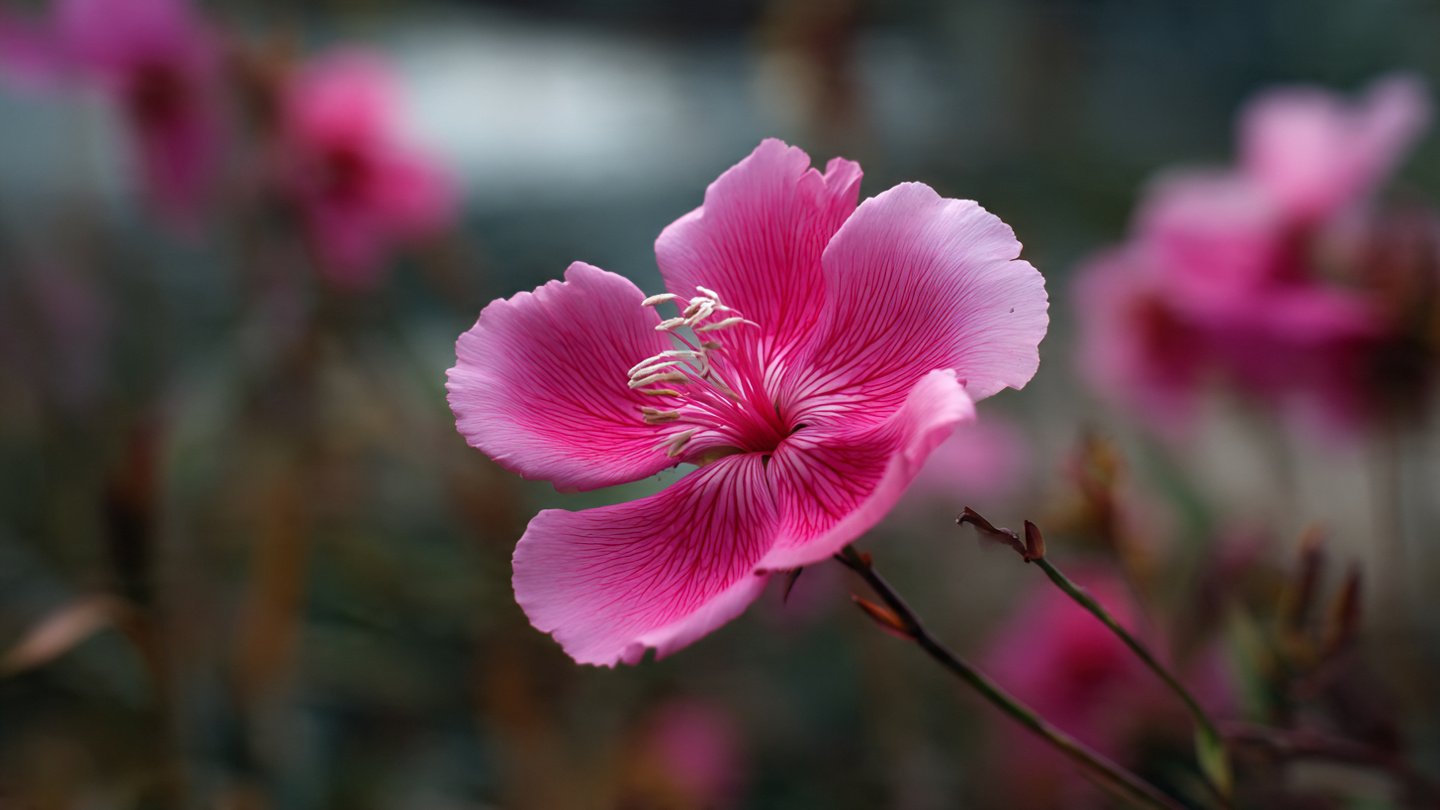
Godetia, commonly referred to as the “Clarkia,” is a beautiful flowering plant belonging to the Onagraceae family, renowned for its stunning blooms and elegance. With its delicate petals that come in shades of pink, white, red, and purple, Godetia adds a touch of beauty to gardens and landscapes, especially in cool seasons. Cultivating Godetia can be an enriching experience, providing both aesthetic pleasure and an avenue for gardening enthusiasts to hone their skills. This article will explore the best practices for cultivating Godetia successfully, particularly during the cooler months.
Understanding Godetia
Before diving into the cultivation aspects, it’s essential to understand Godetia. This annual plant typically grows to a height of 12 to 36 inches and thrives in full sunlight to partial shade. It produces cup-shaped flowers that bloom from late spring to early fall, and their vivid colors bring vibrancy to any garden. The plant’s foliage is lanceolate and can also contribute to the overall aesthetic.
Importance of Growing Godetia in Cool Seasons
Godetia is particularly well-suited for cooler climates and seasons. It can withstand light frosts, making it an excellent choice for early spring and fall gardens. Additionally, growing Godetia during these cooler months can help fill the gap between the last frost of spring and the onset of the harsh winter, ensuring that the garden remains vibrant with color and life.
Selecting the Right Variety
Choosing the right variety of Godetia is crucial. Some popular varieties include:
- Godetia grandiflora: Known for its large flowers and robust growth.
- Godetia ‘Crown Jewels’: This hybrid showcases a range of vibrant colors, from soft pastels to deep shades.
- Godetia ‘Midget Mix’: A compact variety perfect for smaller gardens or container planting.
When selecting a variety, consider your garden’s microclimate and the specific aesthetic you want to achieve.
Soil Preparation
Choosing the Right Soil
Godetia prefers well-draining soil rich in organic matter. The soil should ideally have a pH level between 6.0 and 7.0. A loamy soil mix that allows for proper drainage while retaining some moisture is ideal. You can enhance your soil by adding compost, peat moss, or well-rotted manure.
Soil Testing
Before planting, conduct a soil test to determine nutrient levels and pH. Many extension offices or garden centers offer testing services. Based on the results, you may need to amend your soil with lime to raise pH or sulfur to lower it.
Tilling the Soil
Prepare the planting area by tilling the soil to a depth of about 12 inches. This process aerates the soil and improves drainage. Remove any weeds, rocks, or debris to ensure that your Godetia has a clear path for growth.
Planting Godetia
Timing the Planting
Godetia seeds can be sown directly into the garden bed, ideally 2-4 weeks before the last expected frost in spring or in the fall depending on your climate. For some gardeners, starting seeds indoors about 6-8 weeks prior to the last frost may be beneficial, allowing for transplanting when conditions are favorable.
Sowing Seeds
Here’s how to sow Godetia seeds:
- Spacing: Plant seeds about 1/4 inch deep with a spacing of 6-12 inches apart, depending on the variety’s expected size.
- Watering: After sowing, gently water the seeds to ensure good seed-to-soil contact. Keep the soil consistently moist but not waterlogged until germination occurs, which typically takes 7-14 days.
Transplanting
If you started seeds indoors or purchased potted Godetia, transplant them in the late afternoon or on a cool, overcast day to minimize transplant shock. Dig holes slightly larger than the root ball and gently place the plants, filling in with soil and watering thoroughly.
Care and Maintenance
Watering
During the cooler months, Godetia requires regular watering, especially in the establishment phase. However, overwatering can lead to root rot, so it’s essential to balance moisture. Water deeply but infrequently, allowing the top inch of soil to dry out between watering sessions.
Fertilizing
Godetia benefits from fertilization, especially during the growing season. A balanced, slow-release fertilizer can be applied in early spring to accelerate growth and encourage blooming. Be cautious not to over-fertilize, as this can lead to lush foliage but fewer flowers.
Weeding and Mulching
Regular weeding is necessary to reduce competition for nutrients and water. Adding a layer of organic mulch can help suppress weeds, retain soil moisture, and improve soil quality as it decomposes.
Pest and Disease Management
While Godetia is generally resistant to pests, keep an eye out for aphids or spider mites. If these pests are present, use insecticidal soap or a strong stream of water to dislodge them. Furthermore, good air circulation helps prevent fungal diseases. Ensure proper spacing between plants to promote airflow.
Harvesting and Deadheading
Deadheading
Regular deadheading of spent flowers can promote further blooming throughout the season. Simply pinch or cut off the dead blooms at their base to encourage the plant to produce more flowers.
Harvesting Seeds
If you want to grow Godetia in future seasons, allow some flowers to mature fully and develop seed pods. Once the pods are dry, simply collect the seeds and store them in a cool, dry place until the next planting season.
Seasonal Considerations
Spring Growth
In the spring, as temperatures rise, Godetia typically excels. Ensure that plants have enough water, particularly if the season is dry. The use of mulch can also help moderate soil temperatures, keeping them cool during warmer days.
Fall Considerations
As the cooler months approach, Godetia can continue to bloom if the temperatures are mild. However, be mindful of early frost warnings. If a harsh frost is expected, apply a protective mulch layer or cover the plants with frost cloths during the night.
Winter Care
In areas with severe winters, Godetia should be treated as an annual, as it will not survive frost. However, in milder climates, you may be able to leave them in the ground and let them reseed.
Conclusion
Growing Godetia successfully in cool seasons is a gratifying endeavor that not only enhances the beauty of your garden but also provides a sense of accomplishment. By understanding the plant’s needs, from soil preparation to watering, and by taking care of your plants throughout the growing season, you can enjoy vibrant blooms year after year. Whether you’re a novice gardener or an experienced horticulturist, incorporating Godetia into your planting palette can bring joy, color, and life to your outdoor space. Now, roll up your sleeves, get your hands in the soil, and enjoy the art of cultivating these stunning flowers. Happy gardening!