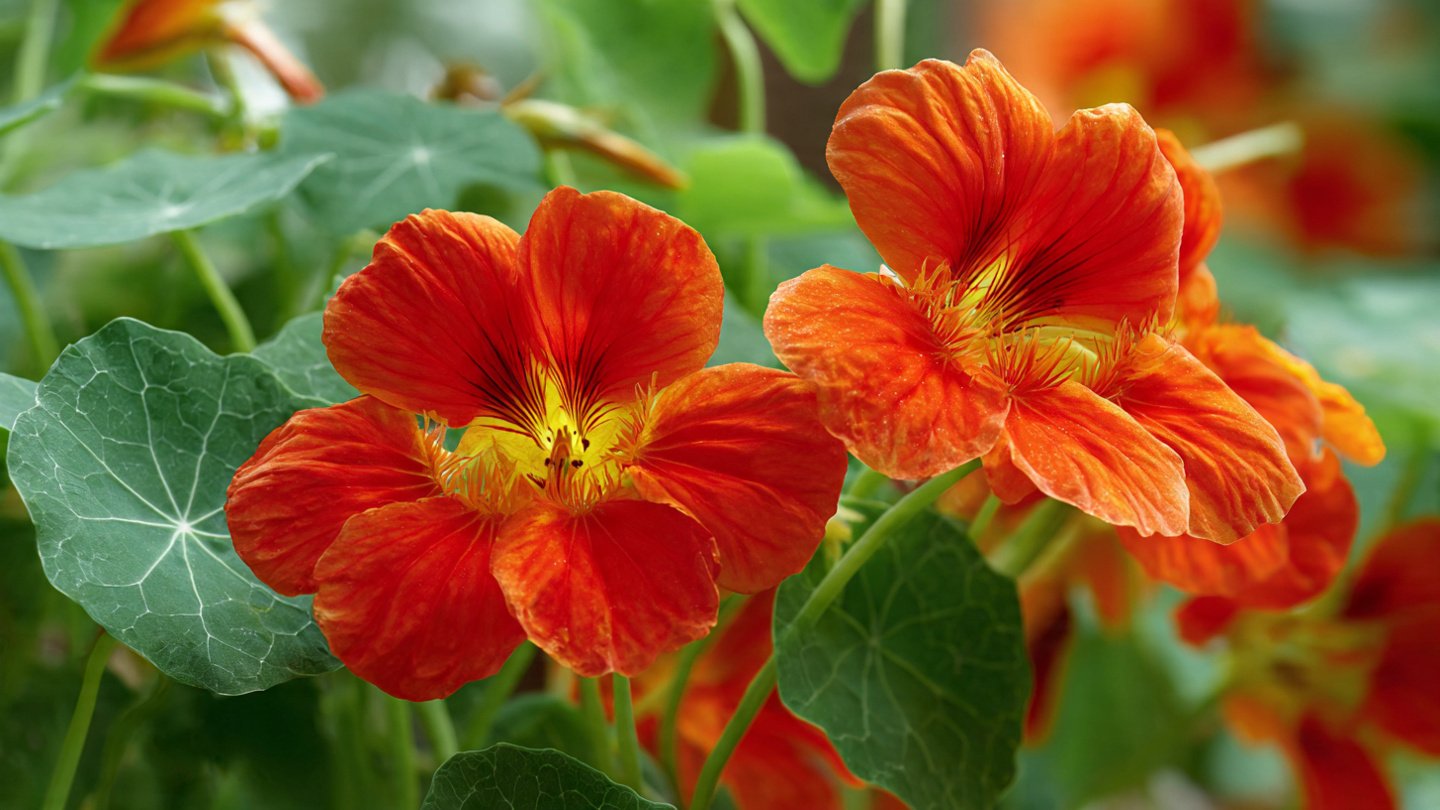
Nasturtiums (Tropaeolum majus) are beloved for their vibrant colors, unique shapes, and incredible versatility in the garden. The trailing varieties, in particular, can add a striking aesthetic as they cascade over walls, pots, and even hanging baskets. If you’re keen to cultivate these charming plants but aren’t sure how to care for them, this guide will provide you with everything you need to know.
Understanding Nasturtiums
Characteristics
Trailing nasturtiums are often characterized by their soft, trailing stems that can reach lengths of up to 3 feet. The leaves are rounded and appear in a rich green tone, often setting off the bright blossoms that come in shades of yellow, orange, and red. Both the leaves and blossoms are edible and can add a peppery flavor to salads and other dishes.
Varieties
Some popular trailing nasturtium varieties include:
- ‘Jewel of Africa’: Known for its bright, distinct colors.
- ‘Cherry Rose’: Features soft pinkish-red flowers that add a gentle touch to gardens.
- ‘Curly’: Offers a unique leaf shape and delicate blooms.
Exploring these varieties can help you decide which ones align with your garden’s aesthetic.
Choosing the Right Location
Light Requirements
Nasturtiums prefer full sun but can tolerate partial shade. Aim for at least 6 to 8 hours of direct sunlight each day to ensure robust growth and vibrant blooms.
Soil Conditions
Well-draining soil rich in organic matter is ideal. Nasturtiums thrive in poor to moderately fertile soil, as overly rich soil can lead to lush foliage at the expense of flowers. A pH range of 6.0 to 7.0 is perfect.
Planting Nasturtiums
When to Plant
Timing depends on your growing region. For most climates, sowing seeds in late spring after the last frost is optimal. If you live in a warmer area, consider starting seeds indoors in early spring and transplanting them outside once the danger of frost has passed.
Planting Method
-
Seed Preparation: If you have hard seeds, soak them in water for a few hours before planting to encourage germination.
-
Spacing: Plant seeds about 1 inch deep and 10 inches apart if sowing directly into the ground. For pots, you can plant them in a larger container suitable for trailing growth.
-
Watering After Planting: Water the area thoroughly after planting to ensure the soil is adequately moist.
Transplanting Seedlings
If you’ve started seeds indoors, transplanting should be done when the seedlings have moved past the first set of true leaves. Gradually acclimate them to outdoor conditions by hardening them off—exposing them to outdoor temperatures for increasing lengths of time over a week.
Caring for Your Nasturtium Plants
Water Requirements
Nasturtiums have moderate water needs. Allow the top inch of soil to dry out between watering sessions. Water at the base to avoid wetting the leaves, as excess moisture can lead to fungal diseases.
Fertilization
As mentioned, nasturtiums prefer poorer soil. A balanced, water-soluble fertilizer can be applied once or twice during the growing season, but be cautious not to overdo it.
Pruning and Deadheading
Regularly deadhead spent flowers to encourage new blooms. Pruning can help manage their growth and prevent overcrowding. Use clean, sharp scissors to ensure healthy cuts.
Pest and Disease Management
Nasturtiums are generally pest-resistant, but watch for aphids, spider mites, and beetles. If you notice infestations, consider using insecticidal soap or neem oil.
Fungal diseases, such as powdery mildew, can occur in humid conditions. Ensure adequate air circulation around your plants and avoid overhead watering to minimize this risk.
Companion Planting
Nasturtiums serve as excellent companion plants. They can attract beneficial insects like pollinators while deterring harmful pests, making them an asset in vegetable gardens and ornamental landscapes. Consider planting them near:
- Cucumbers: They repel aphids.
- Tomatoes: They can improve growth.
- Radishes: The peppery flavor complements and masks the scent of these root vegetables.
Seasonal Care
Winter Considerations
In many regions, nasturtiums are annuals and will die back once temperatures drop. However, in warmer climates, they can be perennial. If you want to prolong their life, consider moving potted plants indoors during the colder months.
Saving Seeds
If you want to cultivate nasturtiums again next season, collect seeds from mature plants in the fall. Be sure to let the pods dry on the plant before harvesting.
Creative Uses of Nasturtiums
Culinary Uses
Nasturtiums are edible and packed with nutrients. Their peppery leaves and blossoms can enhance salads, sandwiches, and garnishes.
Aesthetic Uses
Consider using trailing nasturtiums in hanging baskets, window boxes, or as ground cover along pathways. Their vibrant colors can create stunning visual interest in any garden.
Natural Pest Control
Planting nasturtiums near your vegetable garden can help deter aphids and other unwanted insects. Their presence can help maintain a balanced ecosystem in your garden.
Conclusion
Cultivating trailing nasturtiums can transform your garden into a colorful, vibrant space while providing culinary delights. With the right care and attention, these resilient plants can flourish and offer aesthetics, culinary uses, and environmental benefits. Embrace the beauty and charm of trailing nasturtiums, and enjoy the joy they bring to your garden.
FAQs
1. How long does it take for nasturtiums to bloom?
Nasturtiums typically begin to bloom about 2 months after planting, depending on conditions.
2. Can I grow nasturtiums in containers?
Yes! Nasturtiums grow well in containers. Ensure that pots have adequate drainage holes and use a well-draining potting mix.
3. Do trailing nasturtiums attract pests?
While they can attract beneficial insects, trailing nasturtiums themselves are relatively pest-resistant. However, aphids and spider mites can occasionally be a concern.
4. Are nasturtiums perennial or annual?
In most climates, nasturtiums are grown as annuals. However, in warmer areas, they can behave as perennials.
5. Can nasturtiums survive the winter?
In cooler climates, nasturtiums will not survive the winter. However, if you live in a warmer climate, they may re-emerge the following season.
6. How often should I water nasturtiums?
Water nasturtiums when the top inch of soil feels dry. Avoid overwatering, as these plants are susceptible to root rot.
7. Are nasturtiums toxic to pets?
Nasturtiums are non-toxic and safe for pets. However, as with any plant, it’s advised to monitor your pets to ensure they don’t consume large quantities.
8. When should I fertilize nasturtiums?
Use a balanced fertilizer once or twice during the growing season, being cautious not to over-fertilize since nasturtiums thrive in poorer soils.