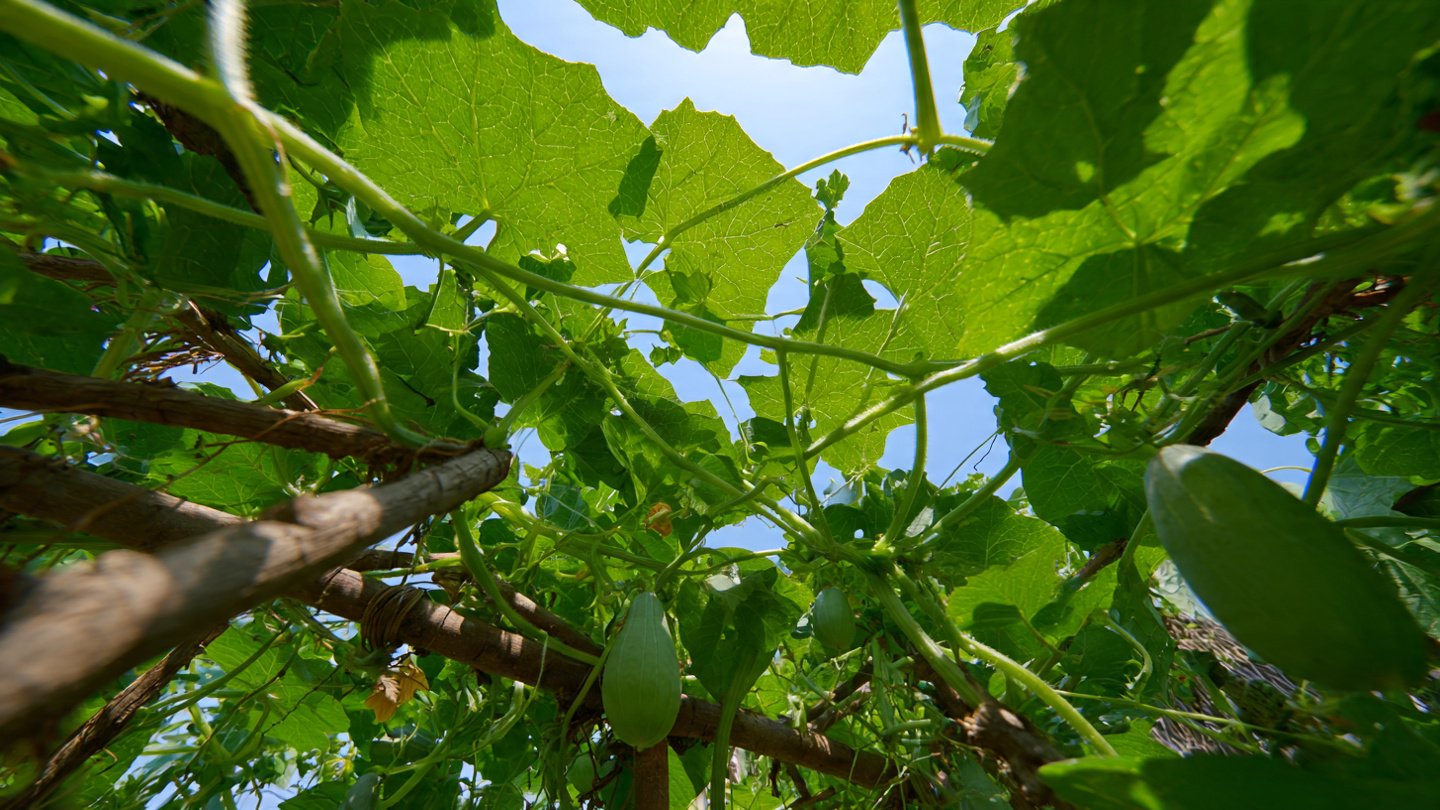
Snake gourd (Trichosanthes cucumerina) is a popular vegetable crop known for its elongated, twisted fruits and nutritional benefits. It thrives in tropical and subtropical climates and is widely cultivated in South Asia, Southeast Asia, and parts of Africa. To maximize yield and ensure healthy growth, implementing an effective vine training system is essential. This article provides a comprehensive guide to how you can effectively implement the snake gourd vine training system for maximum yield.
Understanding Snake Gourd Growth Habits
Snake gourd is a vigorous climber with long, trailing vines that can extend several meters. The vines bear tendrils that help the plant cling to support structures. Without proper support, the plants tend to sprawl on the ground, making harvesting difficult and increasing susceptibility to pests and diseases.
The goal of vine training is not only to provide support but also to improve sunlight exposure, air circulation, and ease of harvesting, all of which contribute to higher fruit yield and better quality.
Selecting the Right Training System
There are several types of training systems that can be used for snake gourd cultivation. The choice depends on factors like available resources, land conditions, and scale of farming. The most common systems include:
1. Trellis System
The trellis is the most popular and effective training system for snake gourd. It involves erecting a vertical structure made from wood, bamboo, metal, or wire mesh, on which vines climb upwards. Trellising keeps fruits off the ground, reduces disease incidence, and allows better air flow and sunlight penetration.
2. Bamboo Pole and String System
This system uses vertical poles with strings tied between them to support the vines. It is simple and affordable, suitable for small-scale farmers.
3. Fence or Wire Mesh
If you have fencing, the vines can be trained to climb the fence or wire mesh. This method requires less additional setup and helps save space.
4. Arch or A-Frame System
An arch or A-frame trellis can be constructed using bamboo or metal. This system is beneficial in maximizing vertical space and is aesthetically pleasing in home gardens.
Steps to Effectively Implement the Snake Gourd Vine Training System
Step 1: Prepare the Site
Select a well-drained location with full sun exposure. Snake gourd prefers loamy, fertile soil with good organic matter content and a pH between 6.0 and 7.5. Prepare the soil by tilling and incorporating compost or well-rotted manure. Raised beds can be used to improve drainage.
Step 2: Erecting the Support Structure
- Materials: Use sturdy poles or frames made of bamboo, wood, metal, or durable plastic.
- Height: The structure should be about 6 to 7 feet tall to accommodate the extensive vine growth.
- Spacing: For a trellis or string system, space the support poles roughly 6 to 8 feet apart along the rows.
- Construction: Attach horizontal wires or strings at intervals of 1 to 1.5 feet from the ground upward to provide multiple points for the vines to cling onto.
Step 3: Planting the Snake Gourd
- Seed Preparation: Soak seeds overnight in water to enhance germination.
- Sowing: Sow seeds directly at the base of the support structure or start seedlings in nursery trays and transplant after 3-4 weeks.
- Spacing: Space plants about 3 to 4 feet apart to allow ample room for vine growth without overcrowding.
Step 4: Training the Vines
- Initial Training: When seedlings start to develop tendrils, gently tie the main stem to the support using soft twine or strips of cloth.
- Guiding Growth: Regularly check the vines and guide them upwards by winding tendrils around the wires or strings. Avoid letting the vines grow on the ground.
- Pruning: Remove lateral shoots or overcrowded vines to focus the plant’s energy on fruit production.
Step 5: Maintenance
- Watering: Provide consistent moisture, especially during flowering and fruiting stages. Avoid waterlogging.
- Fertilization: Side-dress with nitrogen-rich fertilizers during early growth and balanced fertilizers during flowering.
- Pest and Disease Control: Regularly inspect the vines to detect aphids, fruit flies, and fungal diseases. Use organic or chemical controls as needed.
- Mulching: Apply mulch to conserve soil moisture and suppress weeds.
Step 6: Harvesting
Snake gourd fruits should be harvested when they are young, tender, and about 12-18 inches long. Training the vines vertically makes it easier to spot and pick fruits without damaging the plant.
Benefits of an Effective Snake Gourd Vine Training System
- Higher Yield: Proper vine training ensures better flower pollination, leading to more fruits.
- Improved Fruit Quality: Fruits grown on trellises are less likely to be misshapen or rotten due to soil contact.
- Disease Management: Elevating the vines improves airflow, reducing fungal diseases.
- Space Efficiency: Vertical growth saves ground space and allows for intercropping.
- Ease of Harvesting: Fruits are easily visible and accessible when vines are trained on supports.
- Weed Reduction: Controlled vine growth makes weeding simpler and reduces competition.
Tips for Successful Implementation
- Regularly monitor vine growth and adjust ties to prevent constriction and damage.
- Use biodegradable or soft materials for tying to prevent stem injury.
- Replace any damaged or broken parts of the trellis promptly.
- Train all shoots to ensure balanced growth and avoid overcrowding.
- Practice crop rotation and sanitation to minimize pest and disease buildup.
Conclusion
Implementing an effective snake gourd vine training system significantly enhances productivity and fruit quality. By carefully selecting the support structure, managing vine growth, and maintaining plant health, farmers can maximize their yield and profitability. Whether using a simple bamboo trellis or an advanced wire mesh system, the key is consistent training, pruning, and care. With these practices, snake gourd cultivation can be made more efficient, sustainable, and rewarding.
If you need detailed plans or advice on materials suited to your local conditions, feel free to ask!