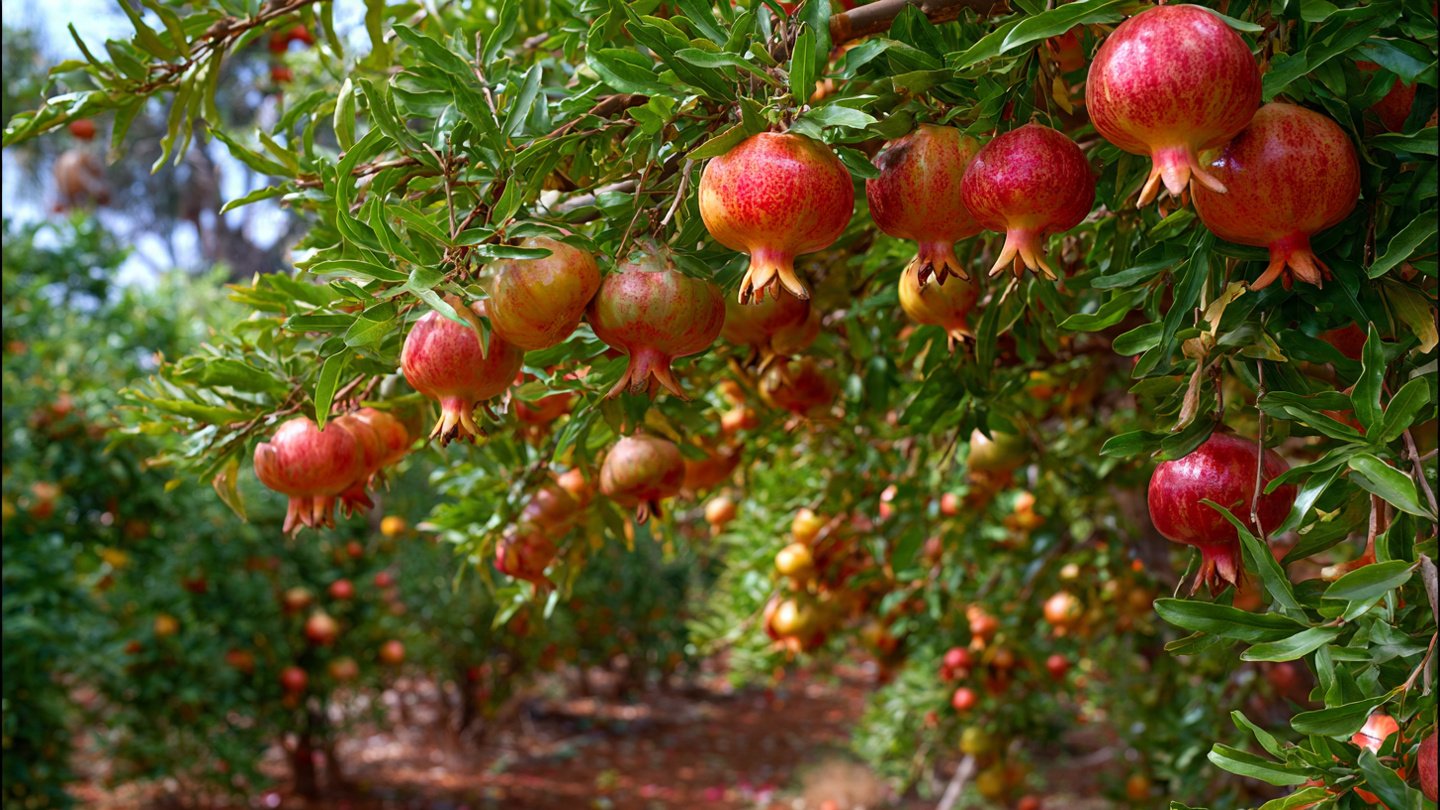
Pomegranate trees (Punica granatum) are not only beautiful additions to your garden but also provide delicious, nutrient-rich fruits. Achieving rapid growth for your pomegranate trees can lead to quicker fruit production and a healthier tree overall. With the right techniques and natural methods, you can enhance the growth of your pomegranate trees effectively. This article explores several simple and sustainable strategies to promote rapid growth in your pomegranate trees.
1. Optimal Location and Soil Preparation
Choosing the Right Location
Pomegranate trees thrive in warm, sunny environments. They require full sunlight for at least 6-8 hours a day. Therefore, selecting the right location in your garden is crucial. Look for a spot that is sheltered from harsh winds and has good air circulation. The ideal climate for pomegranates is subtropical or tropical, though they can also tolerate Mediterranean climates.
Soil Requirements
Well-draining soil is essential for pomegranate trees. They do not thrive in waterlogged conditions, which can lead to root rot. A sandy loam or sandy soil with good drainage is preferable. Before planting, test your soil’s pH; pomegranates prefer slightly acidic to neutral pH levels (between 5.5 and 7.0). If your soil is too acidic or alkaline, consider amending it with lime or sulfur as needed.
Soil Preparation Tips
- Amend Your Soil: Mix in organic matter like compost or well-rotted manure to improve soil structure and nutrient content.
- Mulching: A layer of organic mulch can help retain soil moisture and suppress weeds, providing the best conditions for growth.
2. Cultivation Practices
Planting Techniques
When planting pomegranate trees, space them adequately to ensure proper airflow, which can prevent diseases. The general recommendation is to plant them 10-15 feet apart. If you are planting multiple trees, consider forming rows for easier maintenance.
Watering Strategies
Pomegranates are drought-tolerant but require regular watering, especially during their first few years. Here are some tips:
- Drip Irrigation: Implementing a drip irrigation system ensures that moisture reaches the roots directly without waterlogging the soil.
- Deep Watering: Water deeply but infrequently to encourage deep root growth.
- Mulching: As mentioned, mulch can help maintain soil moisture, reducing the frequency of watering.
Fertilization Techniques
To promote rapid growth, pomegranate trees need proper fertilization. Use natural fertilizers like:
- Bone Meal: Rich in phosphorus, it encourages root development.
- Fish Emulsion: Provides a well-rounded nutrient profile for young trees.
- Compost: A steady release of nutrients helps support growth throughout the season.
Growth Stimulation
To stimulate growth naturally, consider using bio-stimulants such as seaweed extracts, which can benefit root development and enhance nutrient uptake.
3. Pruning and Training
Pruning Techniques
Pruning is essential for encouraging dense growth and fruit production. The best time to prune pomegranate trees is in late winter or early spring before new growth begins.
- Initial Pruning: When your tree is young, select one to three main stems and prune back competing branches to promote a strong structure.
- Regular Maintenance: Remove dead, damaged, or crossing branches regularly to allow for better light penetration and air circulation. This not only improves growth but also aids in fruit quality.
Training for Shape
Consider training your pomegranate trees to grow in a specific shape. Several methods can be employed:
- Central Leader Method: Focus on creating a single trunk with several branches off of it, promoting height and fruit production.
- Bush Form: Allow multiple branches to develop close to the ground to support a bushier form.
4. Natural Pest and Disease Management
Beneficial Insects
Encouraging beneficial insects in your garden can help manage pests naturally. Ladybugs, lacewings, and parasitic wasps are natural predators of aphids and other harmful insects. Planting flowers like marigolds and dill can attract these helpful insects to your garden.
Companion Planting
Certain companion plants can enhance the growth of pomegranate trees while deterring pests. Consider planting:
- Nasturtiums: These can attract aphids away from pomegranates.
- Garlic and Onion: Their strong scents can repel various pests.
Natural Treatments
If pests do become a problem, consider using natural solutions:
- Neem Oil: Effective against a variety of insects, it’s gentle on beneficial species.
- Soap Sprays: A mixture of water and mild soap can also help combat soft-bodied insects.
5. Seasonal Care
Mulching for Winter
In colder climates, ensure you protect your pomegranate trees from frost. A layer of mulch can insulate the roots, and wrapping vulnerable young trees can prevent frost damage.
Seasonal Fertilization
Nutrient needs may vary by season. A balanced organic fertilizer applied once in early spring and again in late summer can support sustained growth. Adjust the quantities based on the age and size of your trees.
Pruning After Harvest
After the harvest season, take the time to prune back the tree to prepare it for the next growing cycle.
6. Harvesting Techniques
Knowing when and how to harvest your pomegranates impacts future growth. Harvesting too early can stress the tree and impact fruit production in subsequent years. Pomegranates are usually ripe when they have a deep red color and make a metallic sound when tapped.
FAQs Section
1. How long does it take for a pomegranate tree to bear fruit?
Typically, pomegranate trees will start bearing fruit 2-3 years after planting, depending on their growing conditions and care.
2. What is the ideal watering schedule for pomegranate trees?
In the first few years, water young pomegranate trees every week or two, allowing the top inch of soil to dry out between waterings. Once established, they require less frequent watering.
3. Can I grow pomegranate trees in pots?
Yes, pomegranate trees can successfully be grown in pots, as long as they are large enough to accommodate their root systems and have adequate drainage. Choose a pot at least 18 inches deep and wide.
4. How can I tell if my pomegranate tree is healthy?
A healthy pomegranate tree will have vibrant green leaves, sturdy branches, and show consistent growth. Monitor for pests, diseases, or leaf discoloration, as these can indicate issues.
5. Can I propagate pomegranate trees from cuttings?
Yes, pomegranate trees can be propagated from softwood or hardwood cuttings. Take cuttings in the summer or winter and plant them in a well-draining medium.
6. What are common pests that affect pomegranate trees?
Common pests include aphids, spider mites, and whiteflies. Regular monitoring and utilizing natural pest management techniques can help control their populations.
Conclusion
Achieving rapid growth for your pomegranate trees requires a combination of good practices, natural fertilizers, and effective management techniques. By following these simple, natural strategies, you can enjoy thriving pomegranate trees that yield delicious fruits for years to come. Remember, patience and continuous care are essential; with time, your pomegranate garden will flourish!