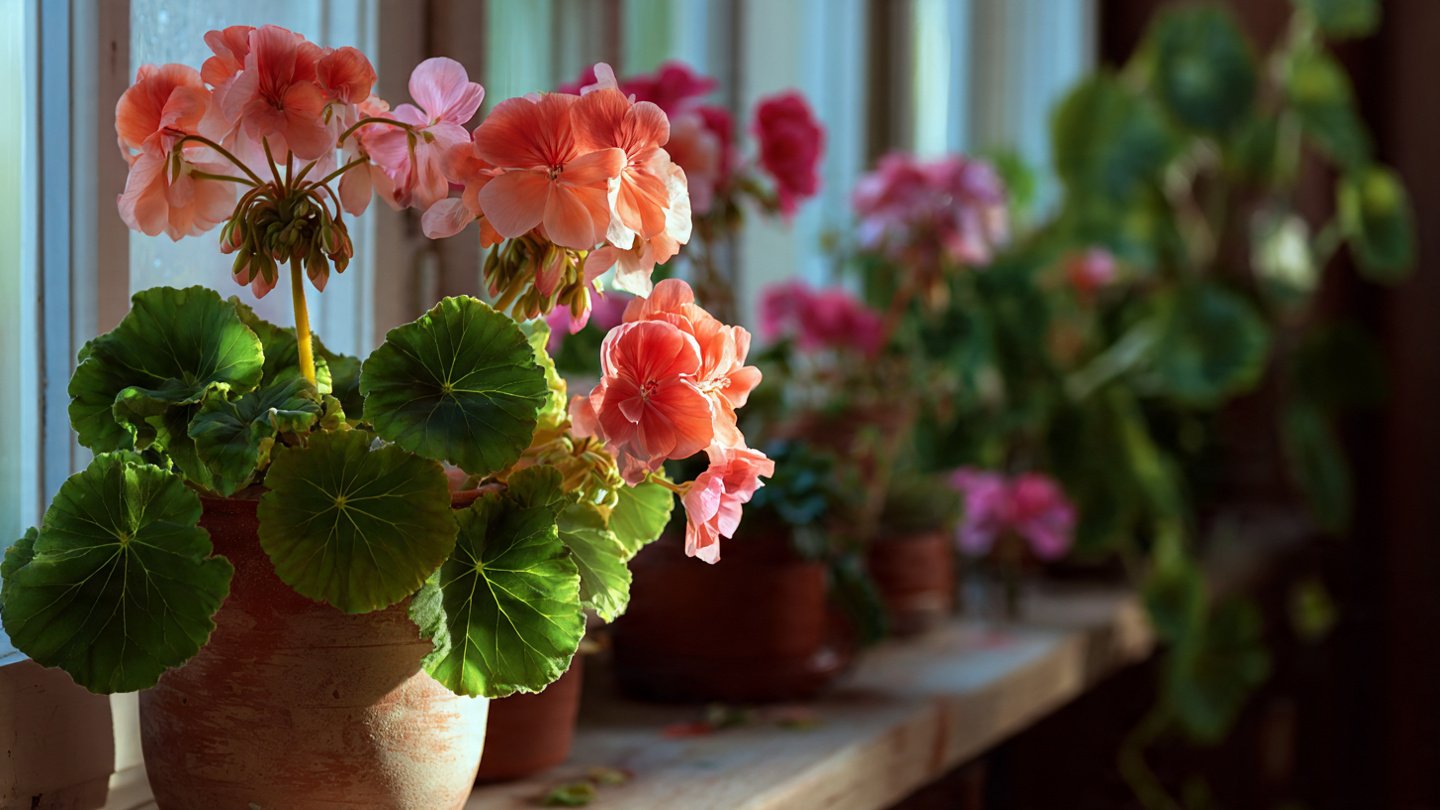
Indoor gardening is a rewarding hobby for many, especially for those who want to bring a touch of nature into their homes without needing a green thumb. One of the most beautiful ways to enhance indoor spaces is through shade flowers. Whether you live in a low-light apartment or simply want to decorate a shaded area of your home, growing shade-loving flowers can transform your living space into a vibrant sanctuary.
Understanding Shade-Loving Flowers
What Are Shade-Loving Flowers?
Shade-loving flowers are varieties that thrive in lower light conditions. While most flowers prefer direct sunlight, shade flowers have adapted to utilize indirect light efficiently, making them ideal for indoor environments with limited natural light.
Benefits of Growing Shade Flowers Indoors
- Air Purification: Many shade-loving plants help purify indoor air by filtering out toxins.
- Aesthetic Appeal: They add color and texture to otherwise dull spaces, enhancing the overall decor.
- Stress Relief: Plants are known to reduce stress and enhance well-being, making your home a more relaxing space.
Choosing the Right Shade Flowers
When selecting flowers, it’s essential to choose varieties known to flourish indoors. Here are some popular shade-loving flowers:
1. Peace Lily (Spathiphyllum)
- Light Requirements: Thrives in low light but blooms best in bright, indirect light.
- Care: Keep soil moist and avoid direct sunlight. Regular misting can help maintain humidity.
2. African Violet (Saintpaulia)
- Light Requirements: Prefers indirect light and needs about 12 hours of light per day.
- Care: Water from the bottom to avoid leaf spots, and maintain temperatures between 65°F-75°F.
3. Begonia (Begonia spp.)
- Light Requirements: Flourishes in bright, filtered light but can adapt to partial shade.
- Care: Utilize well-draining soil and water when the top inch feels dry.
4. Phalaenopsis Orchid (Phalaenopsis spp.)
- Light Requirements: Thrives in bright, indirect light; avoid direct sun exposure.
- Care: Water every 1-2 weeks depending on humidity levels and use orchid potting mix for optimal health.
5. Fuchsia (Fuchsia spp.)
- Light Requirements: Prefers bright but indirect light.
- Care: Keep the soil consistently moist and ensure good air circulation around the plant.
Ideal Conditions for Indoor Shade Flowers
1. Lighting
While shade flowers prefer lower light, you should ensure they still receive sufficient indirect sunlight. Place them near north or east-facing windows for optimal light conditions. If natural light is limited, consider supplementing with grow lights.
2. Temperature and Humidity
Most shade flowers flourish in temperatures ranging from 60°F to 75°F. Maintaining humidity levels between 40% and 60% can prevent contamination from pests and disease. If your home is particularly dry, consider using a humidifier or placing a tray of water with pebbles beneath the plants.
3. Soil
Choosing the right potting mix is crucial for healthy growth. Use a lightweight, well-draining potting soil enriched with organic matter. For some species like orchids, specific orchid mix is recommended for proper drainage and root aeration.
4. Watering
Overwatering is a common pitfall in indoor gardening. Make sure to check the moisture level before watering, ensuring the top inch of soil is dry. Using pots with drainage holes will prevent water accumulation and root rot.
Practical Steps for Growing Shade Flowers
1. Selecting Pots
Choose pots that allow for proper drainage to prevent overwatering. Terracotta pots are excellent choices as they can help absorb excess moisture.
2. Fertilizing
Use a balanced, water-soluble fertilizer every 4-6 weeks during the growing season (spring and summer). Avoid fertilizer during the dormant months (fall and winter).
3. Pest Management
Watch for common pests such as aphids, spider mites, and fungus gnats. Regularly inspect leaves and stems. If the infestation is detected, treat it with insecticidal soap or neem oil.
4. Pruning and Deadheading
To encourage bushier growth and remove any dead flowers, regularly prune your plants and deadhead spent blooms.
5. Repotting
Repot when the plants outgrow their containers or when the soil is depleted of nutrients, typically every 1-2 years.
Creating a Beautiful Indoor Shade Flower Garden
1. Arranging Your Plants
When setting up your indoor garden, consider creating layers. Taller plants can be placed at the back, while shorter varieties should be in the front. This arrangement helps ensure that all plants receive adequate light without blocking one another.
2. Color Coordination
Mix plants of different colors and textures to create an inviting and vibrant display. Pair dark green foliage with colorful blooms to maximize visual contrast.
3. Incorporating Decor
Consider using decorative pots and plant stands to enhance the overall appeal. Add pieces such as candles, stones, or figurines to promote an environment that suits your style.
Maintenance Tips
- Regularly Check for Pests: Early detection is key to preventing infestations. Monitor your plants routinely.
- Rotate Plants: Rotate your pots every few weeks to ensure even growth and exposure to light.
- Dust off Leaves: Regularly clean the leaves with a damp cloth to promote photosynthesis.
Common Challenges and Solutions
- Poor Growth: If your plants appear to be struggling, reassess their lighting and water levels. Ensure they are not root-bound and have adequate soil moisture.
- Yellowing Leaves: This could indicate overwatering or nutrient deficiency. Adjust your watering schedule and consider fertilizing.
- Wilting Flowers: Wilting can be a sign of underwatering or high heat. Ensure consistent moisture and appropriate temperature.
FAQs
1. Can I grow shade flowers in dark rooms?
While some shade flowers can tolerate low light, complete darkness won’t allow them to thrive. Consider using grow lights if natural light is severely limited.
2. What is the best time to fertilize indoor plants?
Fertilize during the growing season, typically in spring and summer, when your plants are actively growing. Avoid fertilizing in the fall and winter when most plants enter dormancy.
3. How often should I water my shade flowers?
Watering frequency will vary depending on species and environmental conditions. Generally, check the top inch of the soil; if it’s dry, it’s time to water.
4. Can I mix different types of shade flowers in one pot?
Yes, you can mix different shade flowers in one container; just ensure they have similar water and light requirements.
5. Are there any shade flowers that are toxic to pets?
Yes, some shade flowers can be toxic to pets. It’s best to research each type of flower and consult a veterinarian if you’re concerned about your pets’ safety.
Conclusion
Growing beautiful shade flowers indoors is not only feasible but also incredibly fulfilling. By understanding their requirements and following simple care tips, you can create a stunning indoor garden that thrives in the shadows. Enjoy the process and the beauty that shade flowers bring into your living space!