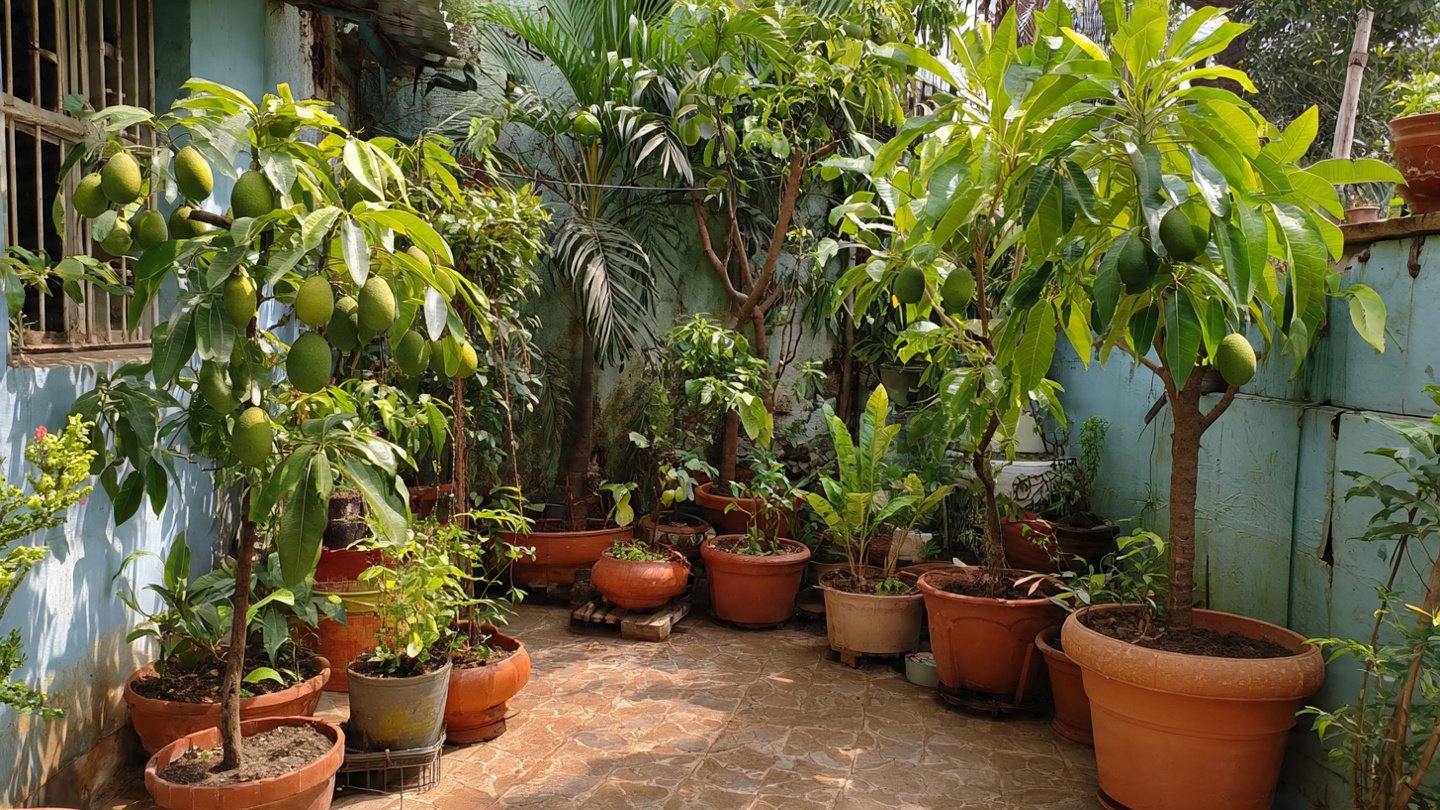
Chikoo, also known as sapodilla (Manilkara zapota), is an exotic fruit tree native to Central America but is now grown in various tropical regions around the world. Its sweet, malty flavor makes it a favorite among fruit enthusiasts. Growing chikoo in container gardens offers a practical solution for those with limited space or unsuitable soil conditions. In this article, we’ll explore the essential tips for successfully growing chikoo in container gardens, ensuring your plants thrive and produce delicious fruits.
Understanding Chikoo
Before diving into the specific requirements for container gardening, it’s important to understand the chikoo tree. Chikoo is a slow-growing evergreen that can reach heights of 30-40 feet when planted in the ground. However, when grown in containers, they tend to stay smaller and more manageable, typically reaching about 6-10 feet. The tree features glossy, dark green leaves and produces small, brown, fuzzy fruits that are about the size of a baseball.
Benefits of Growing Chikoo in Containers
- Space Efficiency: Ideal for urban gardening, container gardens allow you to maximize limited space.
- Mobility: Containers can be moved to optimize sunlight exposure or environmental conditions.
- Soil Control: Growing in pots allows for better soil management, especially in clay or sandy soils that may hinder growth.
- Pest and Disease Management: Containers can help isolate plants from soil-borne pests and diseases.
Selecting the Right Container
Choosing the right container is crucial for the health and well-being of your chikoo plants. Here are some key considerations:
Size
- Minimum Volume: For optimal growth, select containers that hold at least 15-20 gallons of soil. This space allows for adequate root development.
- Depth: Aim for a container that is at least 18-24 inches deep to accommodate the chikoo’s extensive root system.
Material
- Plastic: Lightweight and affordable, plastic containers help retain moisture but may require more drainage measures.
- Clay or Terracotta: These breathable materials provide excellent drainage but can dry out quickly, necessitating frequent watering.
- Wood: Sturdy and natural-looking, wooden containers can also be a good option, provided they are treated to prevent rot.
Drainage
Ensure the container has sufficient drainage holes to prevent water accumulation, which can lead to root rot. If using a container without drainage, consider placing a layer of gravel or stones at the bottom to enhance airflow.
Choosing the Right Soil Mix
A well-balanced soil mix is vital for healthy chikoo plants. Here’s how to create an optimal growing environment:
Ingredients
- Potting Mix: Use a high-quality potting mix that includes organic matter like peat or coco coir for moisture retention.
- Perlite or Pumice: These materials improve drainage and aeration, crucial for root health.
- Compost: Adding well-rotted compost enriches the soil with nutrients that promote vigorous growth.
pH Level
Chikoo thrives in slightly acidic to neutral soils, with a pH range of 6.0 to 7.5. You can test your soil’s pH using a simple test kit and amend it with mulch or elemental sulfur as necessary.
Planting Chikoo in Containers
Once your container, soil, and light conditions are ready, it’s time to plant your chikoo tree.
Selecting a Variety
Look for dwarf or semi-dwarf cultivars, which are better suited for container growth. These varieties include:
- Alano: A popular cultivar known for its sweet, aromatic fruit.
- Karlo: A smaller tree that produces delicious fruit, perfect for urban settings.
Planting Steps
- Prepare the Container: Fill your container with the soil mixture, leaving about 2 inches from the top to allow for watering.
- Planting Depth: Create a hole in the center large enough for the root ball. Place the chikoo plant in the hole and gently fill it with soil, ensuring the root crown is level with the soil surface.
- Water Thoroughly: After planting, give the tree a thorough watering to settle the soil around the roots.
Caring for Your Chikoo Plant
Once planted, the care of chikoo plants in containers includes several important aspects:
Watering
Chikoo trees prefer moist soil but do not tolerate standing water:
- Frequency: Water your chikoo tree regularly, particularly during dry spells. Feel the top inch of soil; if it’s dry, it’s time for watering.
- Technique: Water deeply to ensure moisture reaches deeper roots, allowing the upper soil to dry out between waterings.
Fertilizing
Fertilizing is essential for healthy growth:
- Type: Use a balanced, slow-release fertilizer specifically formulated for fruit trees.
- Frequency: Apply fertilizer every 4-6 weeks during the growing season (spring and summer) and reduce in the fall and winter.
Pruning
Pruning helps maintain shape and encourages fruit production:
- Timing: Prune during the dormant season, ideally in late winter or early spring.
- Technique: Remove dead or crowded branches, and aim for an open center to allow sunlight penetration and airflow.
Pest and Disease Management
Container-grown chikoo trees can still be susceptible to pests and diseases. Common pests include aphids, spider mites, and mealybugs. Here’s how to manage them:
- Inspection: Regularly inspect your plants for signs of infestations.
- Natural Remedies: Use insecticidal soap or neem oil as a natural pesticide.
- Cultural Practices: Ensure adequate airflow and avoid overwatering to prevent fungal diseases.
Providing Adequate Light
Chikoo trees thrive in full sunlight, requiring at least 6-8 hours of direct sunlight per day. Place your containers in locations that receive optimal sunlight, such as patios or balconies.
Adjusting to Light Conditions
If your environment doesn’t provide enough sunlight:
- Rotate Containers: Rotate your pots every few weeks to ensure even sunlight exposure.
- Supplemental Lighting: Consider using grow lights during the winter months when natural light is limited.
Controlling Temperature and Humidity
Chikoo is best suited for warm climates, thriving in temperatures between 60°F and 100°F (15°C to 38°C):
- Indoor Cultivation: If you’re in a cooler climate or winter approaches, consider bringing your container inside or using a greenhouse.
- Humidity: Chikoo trees prefer moderate humidity. If your environment is too dry, you may need to mist the leaves or use a humidity tray.
Harvesting Chikoo Fruits
Growing chikoo requires patience, as trees typically bear fruit after 5 to 7 years. However, container-grown trees may fruit sooner under optimal conditions.
Signs of Ripeness
- Color: Fruits turn brownish and may have a slightly wrinkled appearance.
- Filling: Gently squeeze the fruit; it should give slightly when ripe.
- Timing: Harvest in the early morning when temperatures are cooler to ensure maximum flavor.
Storage
Once harvested, keep chikoo fruits at room temperature for a few days to ripen further. Once they reach the desired sweetness, they can be refrigerated to prolong freshness.
Conclusion
Growing chikoo in container gardens can be a rewarding experience, yielding delicious fruits right at your doorstep. By following these essential tips—from selecting the right container and soil mix to providing proper care and managing pests—you can cultivate thriving chikoo plants and enjoy their unique flavors for years to come. With patience and attention, your container-grown chikoo will flourish, transforming your garden into a tropical paradise. Happy gardening!