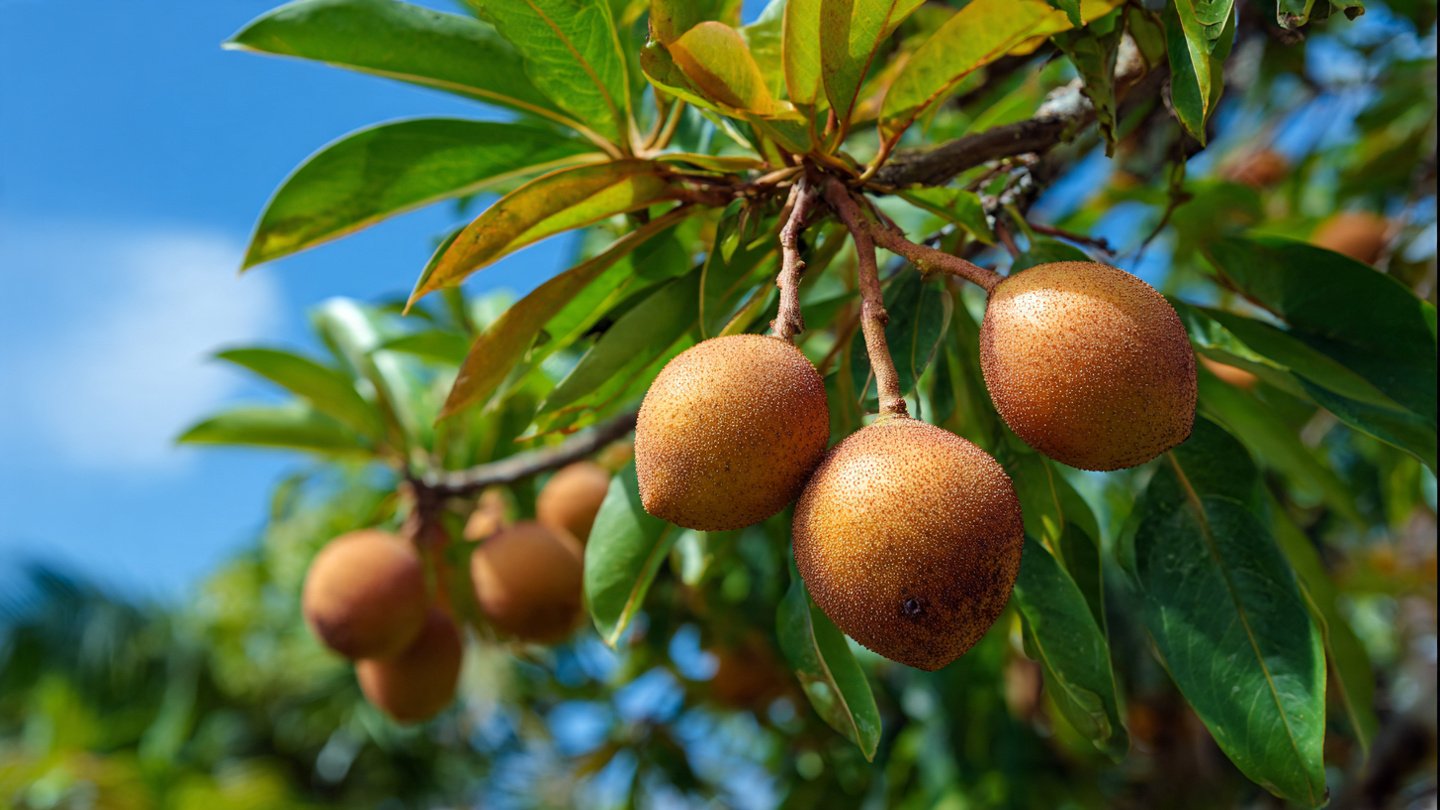
Pruning is an essential aspect of maintaining healthy fruit trees, and sapodilla (Manilkara zapota) is no exception. This tropical tree, known for its sweet, brown fruit, thrives in warm climates and can yield bountiful harvests when properly cared for. Effective pruning can improve fruit quality, enhance air circulation, and promote overall tree health. This article delves into the fundamentals of pruning sapodilla trees to cultivate optimal growth and fruit production.
Understanding the Sapodilla Tree
Before diving into the specifics of pruning, it’s important to understand the sapodilla tree’s characteristics. Native to Central America, sapodilla trees can grow up to 30 feet tall, though they are often kept smaller in home gardens through pruning. The trees are evergreen and produce small, white flowers that develop into brown, sweet fruits.
Life Cycle of the Tree
Sapodilla trees grow slowly during their early years, gaining height rapidly once established. They reach maturity around five to six years, producing fruit that can last up to 10 months on the tree. Knowing this cycle helps in planning effective pruning strategies to maximize both growth and fruit yield.
Benefits of Pruning
-
Improved Air Circulation: Pruning opens up the canopy, allowing more sunlight and airflow, which helps avoid diseases and pest infestations.
-
Enhanced Fruiting: By removing excess branches and encouraging new growth, pruning can lead to a larger, more abundant fruit set.
-
Maintaining Shape: Regular pruning helps keep the tree’s shape manageable, making it easier to harvest and care for.
-
Healthier Tree: Removing dead, damaged, or diseased wood promotes overall health and vigor in the tree.
When to Prune Sapodilla Trees
The timing of pruning is crucial for sapodilla trees. The best time to prune is in late winter, just before the new growth begins. This timing minimizes stress to the tree and encourages robust growth in the spring. However, light pruning can be done throughout the year to maintain shape or remove any problematic branches.
Tools Needed for Pruning
Having the right tools is vital for effective pruning. Here’s a list of essentials:
- Pruning Shears: For small branches and delicate work.
- Loppers: For thicker branches that are difficult to reach with shears.
- Hand Saw: Useful for larger branches.
- Gloves: To protect your hands from thorns and rough branches.
- Disinfectant: Rubbing alcohol or a bleach solution to sterilize your tools before and after use to prevent disease spread.
Steps for Pruning Sapodilla Trees
Step 1: Assessing the Tree
Before you start pruning, take a good look at your sapodilla tree. Stroll around the tree to evaluate:
- The overall shape
- Any dead or damaged wood
- Areas where growth appears excessive or congested
Step 2: Removing Dead or Damaged Wood
Start by cutting out any dead or damaged branches. These can be identified by their brittle texture, lack of leaves, or discoloration. Cut these branches back to the main stem of the tree to encourage new healthy growth.
Step 3: Thinning Out Crowded Areas
Look for branches that are crossing or crowding one another. Remove some of these branches to promote an open structure in the tree. Focus on keeping an even balance of branches distributed throughout the tree.
Step 4: Shaping the Tree
Once you’ve removed excess and dead wood, it’s time to shape your tree. Aim for a balanced, vase-like structure that opens up the center of the tree for light penetration. The ideal height for a home garden sapodilla is around 10-15 feet, which allows for easier fruit harvesting.
Step 5: Encouraging New Growth
To stimulate new growth, trim back the tips of branches, especially those that haven’t produced fruit. This will encourage lateral branching, which often leads to increased fruit production.
Step 6: Maintain Height and Size
Every few years, you may need to do a more thorough pruning to control the height and size of your sapodilla tree. This can involve cutting back larger limbs to maintain an easy-to-manage height. Avoid cutting more than 25-30% of the tree in a single year to prevent shock.
Tips for Successful Pruning
-
Sterilize Your Tools: Always clean your tools before and after use to minimize the risk of disease transmission.
-
Make Clean Cuts: Use sharp tools to make clean cuts, which will heal more quickly and reduce the risk of infection.
-
Avoid Over-Pruning: Less is often more. Over-pruning can stress the tree, leading to reduced fruit production.
-
Consider Weather Conditions: Avoid pruning during wet weather, as this increases the risk of disease.
-
Mulching Post-Pruning: After you prune, consider mulching around the base of the tree. This conserves moisture and suppresses weeds that might compete for nutrients.
Common Mistakes to Avoid
-
Pruning at the Wrong Time: Pruning too late in the season can remove buds that would have produced fruit.
-
Ignoring Tree Health: Always prioritize the health of the tree. Remove diseased branches promptly.
-
Improper Techniques: Avoid tearing or crushing the bark while pruning, as this can lead to infections.
Conclusion
Pruning sapodilla trees is a valuable practice that promotes optimal growth and fruit production. By understanding the tree’s life cycle, assessing its health, and employing proper pruning techniques, you can maintain a robust and fruitful sapodilla tree. Remember that each tree is unique, and your observations will guide your pruning strategy. With patience and care, your sapodilla tree can flourish beautifully, offering sweet rewards for your efforts.
As you cultivate your sapodilla tree, don’t forget to enjoy the process—it’s not just about the fruits but also about nurturing a living organism that brings joy and abundance to your garden. Happy pruning!