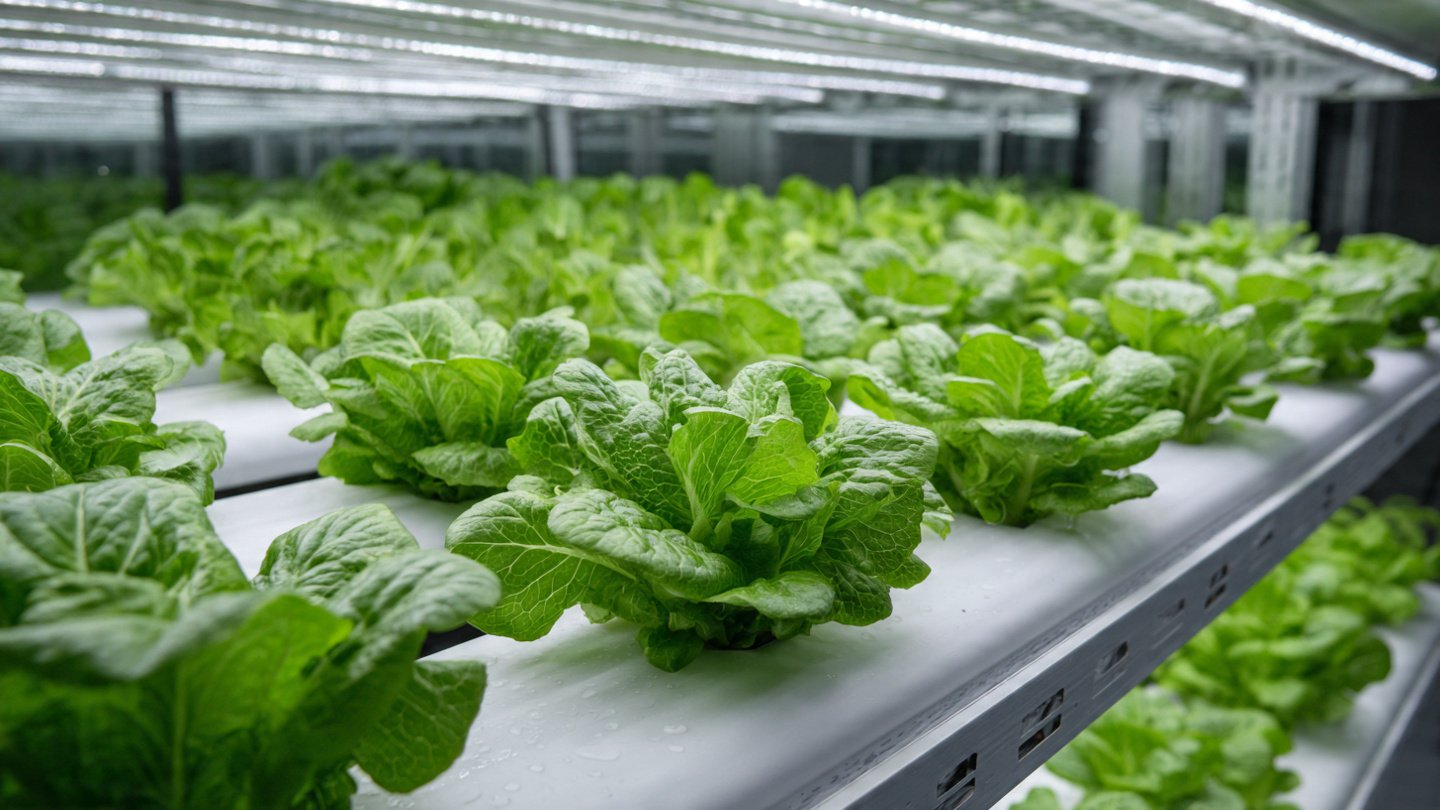
Leaf lettuce is a favorite among indoor gardeners due to its fast growth, nutritional benefits, and versatility in the kitchen. Mastering continuous harvest of indoor leaf lettuce can provide a steady supply of fresh greens year-round, regardless of outdoor weather conditions. This complete guide will walk you through everything you need to know—from selecting the right varieties to optimizing growing conditions and harvesting techniques—to achieve a thriving indoor leaf lettuce garden that consistently produces fresh leaves.
Why Grow Leaf Lettuce Indoors?
Indoor gardening offers numerous advantages for growing leaf lettuce:
- Controlled Environment: Indoor growing allows you to control temperature, humidity, light, and pests, creating optimal conditions for lettuce to thrive.
- Year-Round Harvest: No seasonal limits mean you can enjoy fresh greens even during winter.
- Space Efficiency: Lettuce adapts well to small spaces and various indoor setups like hydroponics or container gardening.
- Reduced Chemical Use: Growing indoors often means fewer pests and diseases, reducing the need for pesticides.
Step 1: Selecting Leaf Lettuce Varieties
Not all lettuce types are equally suited for continuous indoor harvesting. Leaf lettuces, or loose-leaf varieties, are ideal because they grow quickly and can be harvested repeatedly.
Some popular varieties for indoor continuous harvest include:
- Buttercrunch: Crisp, tender leaves with a sweet flavor.
- Red Romaine: Vibrant reddish leaves with a crunchy texture.
- Oak Leaf: Deeply lobed, soft leaves that grow quickly.
- Black Seeded Simpson: Mild flavor, soft texture, and fast maturation.
- Salad Bowl: Frilly leaves with excellent growth rate and texture.
Choosing a mix of green and red lettuce varieties can add color and flavor variety to your harvest.
Step 2: Preparing the Growing Medium
Leaf lettuce grows well in several mediums indoors:
- Soil: Use a high-quality, well-draining potting mix rich in organic matter.
- Coco Coir: Retains moisture well and is sustainable.
- Hydroponics: Growing lettuce in nutrient-rich water for rapid growth.
- Perlite or Vermiculite: Often added to soil mixes to improve aeration and drainage.
Ensure your chosen medium allows good drainage to prevent root rot and mold growth. For beginners, a soil or soilless potting mix with added perlite is an excellent start.
Step 3: Providing Optimal Light
Light is critical for healthy lettuce growth. Indoor leaf lettuce needs about 12-16 hours of light per day to thrive.
- Natural Light: A south-facing window with ample sunlight can suffice for small setups.
- Grow Lights: LED grow lights are ideal for indoors, providing the full light spectrum needed for photosynthesis.
- Light Placement: Position lights 6-12 inches above the lettuce canopy to avoid burning leaves and to promote even growth.
Using a timer helps maintain a consistent light schedule, essential for continuous growth.
Step 4: Temperature and Humidity Control
Leaf lettuce prefers cooler temperatures:
- Ideal Temperature: 60-70°F (15-21°C) during the day; slightly cooler at night.
- Humidity: Moderate humidity levels of 40-60% to prevent drying out and reduce disease risk.
Avoid temperatures above 75°F (24°C), as heat stresses lettuce and can cause bitterness.
Step 5: Watering Wisely
Consistent moisture is key:
- Keep the growing medium moist but not waterlogged.
- Avoid letting soil dry out completely between watering.
- Use room temperature water for best results.
- Good drainage is critical to prevent root rot.
Hydroponic systems require monitoring and topping up nutrient solutions regularly.
Step 6: Nutrient Management
Leaf lettuce needs a balanced nutrient supply, especially nitrogen for leafy growth.
- Use a balanced, water-soluble fertilizer formulated for leafy greens.
- For soil, incorporate compost or organic fertilizers before planting.
- For hydroponics, use nutrient solutions designed for lettuce growth.
- Follow recommended feeding schedules to avoid nutrient burn.
Step 7: Sowing and Planting Techniques
To maintain continuous harvest, succession planting is essential:
- Stagger Seed Sowing: Plant a small batch of seeds every 1-2 weeks.
- Plant Density: Thin seedlings to avoid overcrowding, which can cause poor airflow and disease.
- Container Size: Use shallow containers (6-8 inches deep) for lettuce roots.
- Cover seeds lightly with soil or growing medium and keep moist until germination.
Step 8: Harvesting for Continuous Growth
Continuous harvest or cut-and-come-again method enables you to pick leaves regularly without uprooting plants:
- Wait until leaves reach 3-4 inches in length.
- Harvest outer leaves first, cutting 1 inch above the base.
- Leave the crown and inner leaves intact to allow regrowth.
- Harvest every 1-2 weeks depending on growth rate.
- Rotate harvesting from different plants to maintain steady supply.
Step 9: Pest and Disease Management
Indoor gardens are less prone to pests but vigilance is necessary:
- Common pests: Aphids, spider mites, and fungus gnats.
- Monitor plants regularly and remove affected leaves.
- Use organic controls like neem oil or insecticidal soap if needed.
- Ensure good air circulation to prevent fungal diseases such as powdery mildew.
- Clean tools and containers between uses to avoid contamination.
Step 10: Troubleshooting Common Issues
- Yellowing Leaves: Could indicate overwatering, nutrient deficiency, or poor light.
- Leggy Growth: Often caused by insufficient light; increase light intensity or duration.
- Bolting (flowering): Caused by heat stress or long days; keep temperatures cool.
- Stunted Growth: May indicate nutrient deficiency or root problems.
Maintain consistent conditions and adjust environmental factors as necessary.
Bonus Tips for Success
- Use seed starting trays or small pots to start seedlings before transplanting.
- Consider vertical vertical gardening or tiered shelving to maximize space.
- Rotate crops to maintain soil health if using soil.
- Experiment with different lettuce varieties for diverse flavors and textures.
Conclusion
Mastering indoor leaf lettuce continuous harvest is a rewarding endeavor that ensures fresh, tender greens all year long. By selecting the right varieties, creating optimal growing conditions, practicing strategic planting, and harvesting regularly using the cut-and-come-again method, you can enjoy a bountiful indoor salad garden.
Consistent care, observation, and adjustments based on plant response will lead to a flourishing indoor leaf lettuce garden that provides nutritious, delicious leaves for countless meals. Start your indoor leaf lettuce journey today and savor the fresh taste of homegrown greens whenever you desire.