Introduction
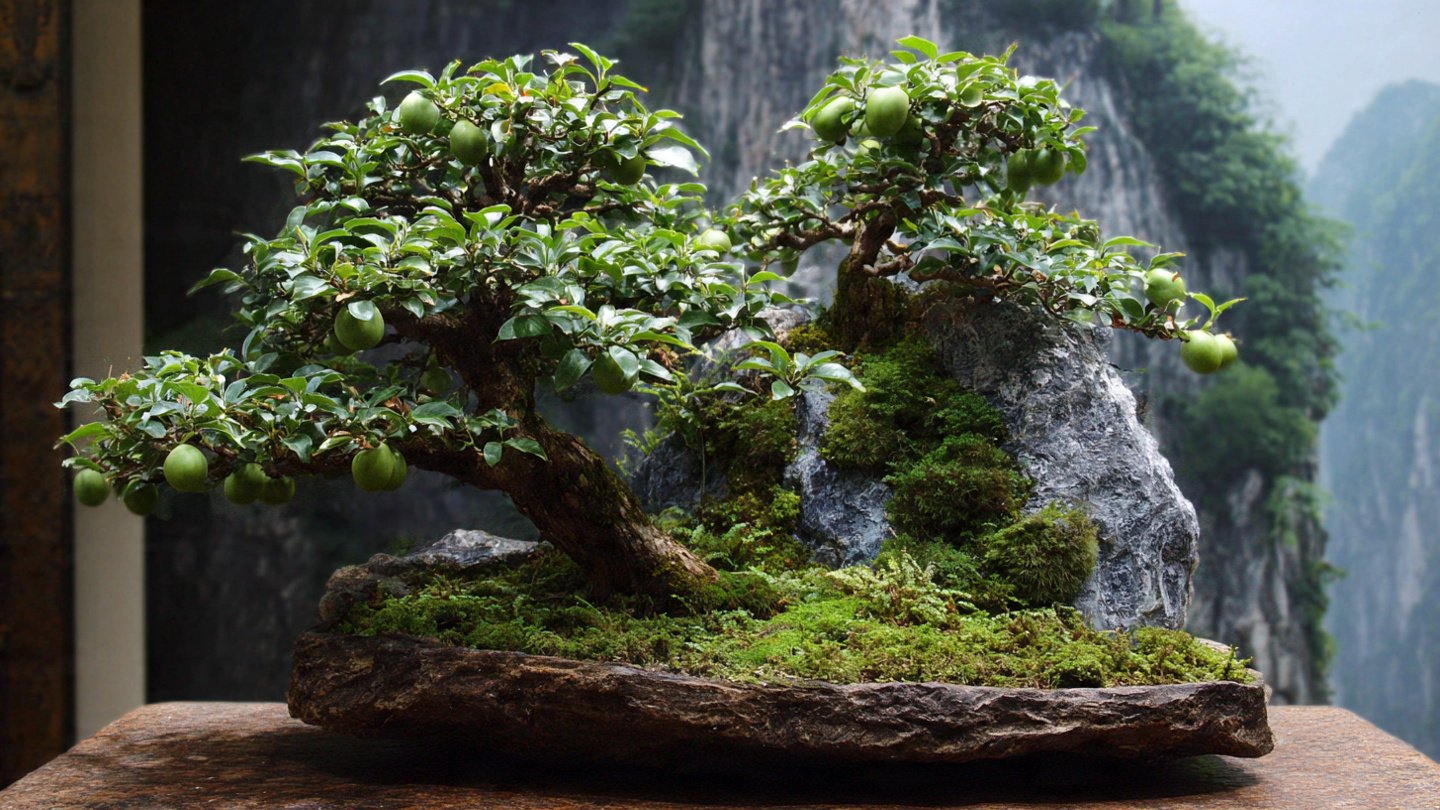
Bonsai gardening is an ancient art form that combines landscaping with horticulture, allowing enthusiasts to cultivate stunning miniature trees in a controlled environment. Among the many interesting varieties available for bonsai cultivation, the Sapota (also known as Chikoo or Sapodilla) stands out not just for its beauty but also for its unique fruit. This article will guide you through the steps of growing a Sapota bonsai at home, providing tips, techniques, and insights that will help you create a delightful addition to your indoor garden.
Understanding Sapota
The Sapota tree (Manilkara zapota) is native to Central America and the Caribbean but is widely cultivated in tropical and subtropical regions around the world. It can grow up to 30 meters in height in the wild but is uniquely suited for bonsai due to its small leaves and dense growth habit. The tree produces sweet, brown fruit that has a flavor reminiscent of brown sugar, making it both aesthetically pleasing and rewarding for home gardeners.
Benefits of Growing Sapota Bonsai
- Aesthetic Appeal: The glossy green leaves and unique trunk structure of Sapota make it a striking addition to any indoor garden.
- Unique Fruit: Growing your own fruit-bearing tree adds a rewarding dimension to your gardening experience.
- Air Quality Improvement: Like many other plants, Sapota helps to improve air quality by absorbing carbon dioxide and releasing oxygen.
- Therapeutic Benefits: Gardening has been shown to reduce stress and improve mental well-being.
Choosing the Right Container
The first step in creating your Sapota bonsai is to choose the right container. The container should be shallow, as bonsai roots thrive in a limited space. The size can depend on the age of the tree you are starting with—new saplings can go in smaller containers, while more mature plants will need larger, deeper pots.
Drainage Holes
Ensure your container has sufficient drainage holes to prevent waterlogging, which can lead to root rot. You can add a layer of coarse gravel at the bottom of the pot to facilitate drainage.
Selecting the Right Soil
Sapota requires well-draining soil for optimal growth. A commercial bonsai mix may work well, or you can create your own by combining:
- 2 parts Akadama or clay soil
- 1 part pumice
- 1 part lava rock or fine gravel
This blend ensures aeration and drainage while retaining enough moisture for the roots.
Propagation Methods
You can propagate Sapota bonsai through seeds, cuttings, or air layering. Here’s how to do each method efficiently:
1. Seeds
- Source: Obtain fresh seeds from ripe Sapota fruit.
- Preparation: Soak the seeds in water for 24 hours.
- Planting: Plant seeds 1 inch deep in the prepared soil mix.
- Germination: Keep the soil consistently moist and place it in a warm location with indirect sunlight. Germination usually takes around 2-3 weeks.
2. Cuttings
- Selection: Opt for semi-hardwood cuttings, about 4-6 inches long.
- Preparation: Dip the cut end into rooting hormone.
- Planting: Plant cuttings in a small container filled with a well-draining mix.
- Environment: Cover the container with a plastic bag or a clear plastic dome to retain humidity. Uncover periodically to prevent mold.
3. Air Layering
- Selection: Choose a healthy, mature branch.
- Preparation: Make a 1-inch cut around the branch, removing the bark.
- Wrapping: Wrap the area with moist sphagnum moss and cover with plastic wrap. Secure with string.
- Timing: Roots will generally appear in several weeks; once formed, sever the branch below the roots.
Initial Care for Your Sapota Bonsai
Watering
Water your Sapota bonsai regularly, keeping the soil consistently moist but not soggy. The frequency depends on climate, but generally, refrain from letting the soil dry out completely. A good indicator is to check the top inch of the soil; if it’s dry, it’s time to water.
Light Requirements
Sapota bonsai thrive in bright, indirect sunlight. Direct sunlight can scorch the leaves, while too little light can inhibit growth. A south-facing window is ideal, or you can use grow lights to supplement natural light, especially during the winter months.
Humidity
Sapota prefers a humid environment. You can increase humidity by placing a tray filled with water and pebbles under the pot or by misting the leaves daily.
Pruning Your Sapota Bonsai
Pruning is essential to maintaining the shape and health of your Sapota bonsai. Here’s how to do it effectively:
1. Leaf Pruning
Remove any yellow or dead leaves to encourage new growth. Regularly trimming back new growth will also promote bushier foliage.
2. Branch Pruning
Identify branches that disrupt the tree’s shape and remove them. This is best done during the growing season (spring and summer) when the tree is actively growing.
3. Root Pruning
Root pruning is important for keeping the bonsai small. Remove about one-third of the roots every couple of years in early spring before the growing season starts.
Fertilizing Your Sapota Bonsai
During the growing season (spring and summer), your Sapota bonsai will benefit from regular feeding. Use a balanced liquid fertilizer diluted to half strength every few weeks. In the fall and winter, reduce feeding as the tree enters dormancy.
Dealing with Pests and Diseases
While Sapota bonsai are relatively hardy, they can still be affected by pests like aphids, mealybugs, and spider mites. Regularly inspect your tree:
- Aphids: Control them with insecticidal soap or neem oil.
- Mealybugs: Remove them manually or treat infested areas with alcohol.
- Spider Mites: Increase humidity, as they thrive in dry conditions, and consider insecticidal treatments if the infestation is significant.
Re potting Your Sapota Bonsai
Re-pot your Sapota bonsai every couple of years to provide fresh soil and allow for root pruning. Choose a slightly larger pot to give the roots space to breathe. Fill with fresh bonsai mix and position the tree at the same soil level as it was in the previous pot.
Harvesting Fruit
If your Sapota bonsai matures enough to produce fruit, wait until it turns brown and slightly soft to the touch—this is the perfect time to harvest. The fruit can be enjoyed fresh or used in various culinary applications, adding even more value to your bonsai.
Conclusion
Growing a Sapota bonsai is an engaging and rewarding venture that can add beauty and functionality to your indoor garden. With the right care and techniques, you can cultivate a stunning miniature tree that not only serves as a decorative piece but also produces delicious fruit. Whether you are a seasoned bonsai gardener or a novice looking to embark on a new hobby, the joy of nurturing your own Sapota bonsai awaits you. So grab your tools, choose your propagation method, and start your journey towards creating a unique indoor garden that is sure to enchant anyone who lays eyes on it.