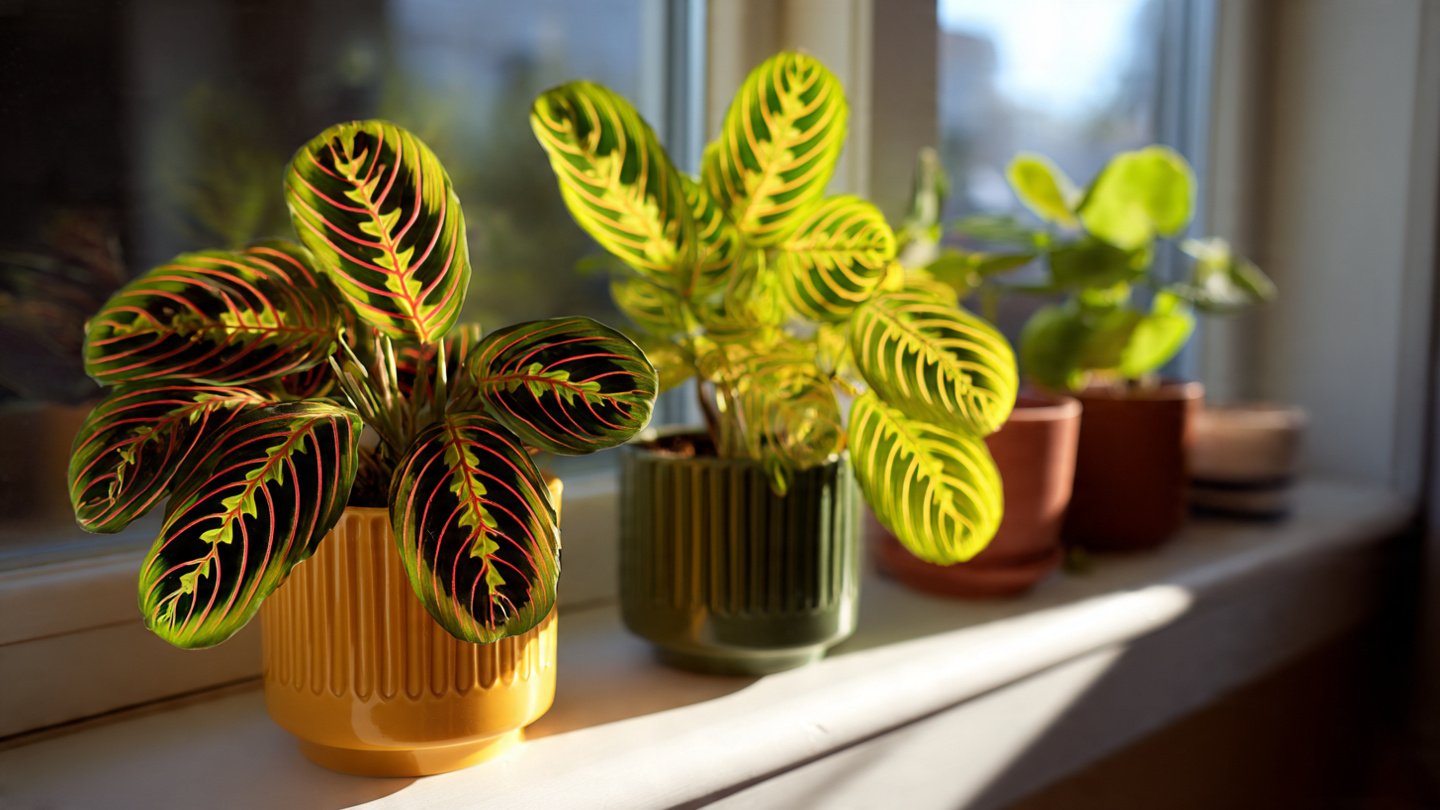
Houseplants have become a central part of home décor, bringing nature indoors and enhancing the environment with beauty and freshness. Among the stunning varieties available, the Lemon Lime Maranta (Maranta leuconeura var. kerchoveana) stands out, not only for its striking appearance but also for its unique growth habits. Known as the prayer plant due to its ability to raise and lower its leaves, the Lemon Lime Maranta can be an excellent addition to your plant collection. This article will guide you through the essentials of growing and caring for this beautiful houseplant.
1. Understanding the Lemon Lime Maranta
The Lemon Lime Maranta is characterized by its vibrant green leaves marked with eye-catching yellow and lime green variegation. The leaves also have a striking red or purple vein that adds to its visual appeal. As a member of the Marantaceae family, this plant is native to the tropical regions of Central and South America. It prefers humid environments and partial shade, making it an ideal houseplant.
In addition to its aesthetic value, the Lemon Lime Maranta is considered an air-purifying plant, contributing to a healthier indoor environment by filtering toxins and improving air quality.
2. Choosing the Right Location
a. Light Requirements
One of the critical factors for the growth of the Lemon Lime Maranta is the right lighting. Unlike many houseplants that thrive in direct sunlight, the Lemon Lime Maranta prefers bright, indirect light. Exposure to direct sunlight can scorch its leaves and dull its vibrant colors.
b. Humidity Levels
Humidity plays a crucial role in the overall health of your Lemon Lime Maranta. These plants thrive in high humidity levels, often exceeding 50%. If your home is on the drier side, consider using a humidifier or placing a pebble tray filled with water beneath the plant pot to elevate moisture in the surrounding air. Grouping multiple plants together can also help create a more humid microclimate.
c. Temperature Conditions
Maintaining a stable temperature is vital for the health of the Lemon Lime Maranta. Ideally, this plant prefers temperatures between 65°F and 80°F (18°C to 27°C). Sudden drafts and temperature fluctuations can stress the plant and lead to leaf drop or other issues.
3. Soil Requirements
The Lemon Lime Maranta thrives in well-draining, lightweight potting soil. A mixture of peat moss, perlite, and potting soil works well, as it retains moisture while allowing for proper drainage. You can also consider purchasing a commercial potting mix specifically formulated for tropical plants or aroids.
a. pH Levels
The optimal pH level for the soil should range between 6.0 and 6.5. Regularly checking the soil pH can help you ensure your plant receives the right nutrients. You can use pH testing kits available at gardening stores.
4. Watering the Lemon Lime Maranta
a. Watering Schedule
The key to maintaining a healthy Lemon Lime Maranta lies in proper watering. It’s better to under-water than over-water this plant, as soggy soil can lead to root rot. As a general rule, water your Lemon Lime Maranta when the top inch of the soil feels dry to the touch.
b. Water Quality
The quality of water you use also matters. If possible, use distilled or rainwater, as tap water may contain chlorine, fluoride, and other chemicals that can disrupt the plant’s growth.
c. Signs of Overwatering and Underwatering
Keep an eye out for signs of overwatering or underwatering. Yellowing leaves typically indicate overwatering, while dry, crispy leaves may point to underwatering. Adjust your watering routine accordingly.
5. Fertilizing Your Lemon Lime Maranta
a. Choosing the Right Fertilizer
Fertilizing is necessary to provide essential nutrients that assist in the growth of your Lemon Lime Maranta. During the growing season (spring and summer), you can use a balanced, water-soluble fertilizer diluted to half strength. Use a fertilizer high in nitrogen, such as 20-20-20 or a specialized fertilizer for houseplants.
b. Application Frequency
Fertilize the Lemon Lime Maranta every four to six weeks during its growing season. Reduce feeding during the fall and winter months when the plant is dormant.
6. Pruning and Propagation
a. Pruning
Regular pruning helps maintain the shape of the plant and promotes bushier growth. Use clean, sharp scissors to trim away any dead or yellowing leaves and to encourage new branching. This practice can also improve air circulation around the plant.
b. Propagation
Propagation can be a rewarding way to multiply your Lemon Lime Maranta. The most common propagation method is through cuttings. Here’s how:
- Select a Healthy Stem: Choose a stem with healthy, vibrant leaves.
- Cut the Stem: Using sharp scissors, cut just below a node (the bulge on the stem where leaves attach).
- Prepare Water or Soil: Place the cutting in water or directly into a moist potting mix.
- Provide Humidity: If using water, ensure the cutting is in a humid environment to encourage root growth.
- Wait for Roots to Develop: After a few weeks, roots should develop, allowing you to transplant the cutting into its own pot.
7. Pest Management
Lemon Lime Marantas can be susceptible to common houseplant pests such as spider mites, aphids, and mealybugs. Regularly inspect your plants for signs of infestation.
a. Identifying Pests
Monitor the undersides of leaves and stems closely. Signs of pests can include webbing, sticky residue, and tiny visible insects.
b. Treatment Options
If you notice pests, treat the infestation promptly. Mild cases can often be resolved with a soap-water solution or neem oil spray. For severe infestations, consider using insecticidal soap and follow the manufacturer’s instructions for the best results.
8. Common Issues and Troubleshooting
a. Leaf Drop
If your Lemon Lime Maranta is dropping leaves, it could be due to inconsistent watering or sudden changes in temperature. Ensure you maintain a consistent watering schedule, and avoid placing your plant near drafts.
b. Faded Colors
If the vibrant coloration of the leaves begins to fade, your plant may not be getting enough light. Consider relocating it to a brighter spot with indirect sunlight.
c. Root Rot
Overwatering can lead to root rot, which can be fatal for your Lemon Lime Maranta. If you suspect root rot, carefully remove the plant from its pot, and inspect the roots. Trim away any mushy, blackened roots, and repot the plant in fresh, dry potting mix.
9. Seasonal Care
a. Winter Care
During the winter months, the Maranta’s growth slows down. You may reduce watering and suspend fertilization. Ensure that the plant is kept in a warm spot away from cold drafts or heating vents.
b. Summer Care
In contrast, summer is the growing season for Lemon Lime Marantas. Increased punctual watering and fertilization encourage vigorous growth. Ensure they are misted regularly to maintain humidity during hot months.
10. Enjoying Your Lemon Lime Maranta
The Lemon Lime Maranta not only serves as a beautiful decorative element but also offers a unique aesthetic experience with its leaf movement. Watching this plant raise and lower its leaves in response to light and darkness can be quite fascinating.
a. Combining with Other Plants
These plants are most effective when grouped with other houseplants that have similar care requirements. Consider combining them with other tropical plants like Pothos or Snake Plants, which adds to the visual appeal and enhances humidity.
b. Celebrating Growth
As your Lemon Lime Maranta grows, celebrate its milestones. From the moment it starts to propagate to witnessing stunning growth in the summer months, share your experiences with fellow plant enthusiasts to inspire others.
Conclusion
Caring for a Lemon Lime Maranta can be a rewarding experience. With the right environment, watering, nutrients, and attention, your plant can flourish and become a centerpiece of your home. Whether you are a seasoned plant parent or just starting your journey, following these tips will help you cultivate a healthy and beautiful Lemon Lime Maranta for years to come. Embrace the joys of indoor gardening and allow nature to create a peaceful retreat in your home.