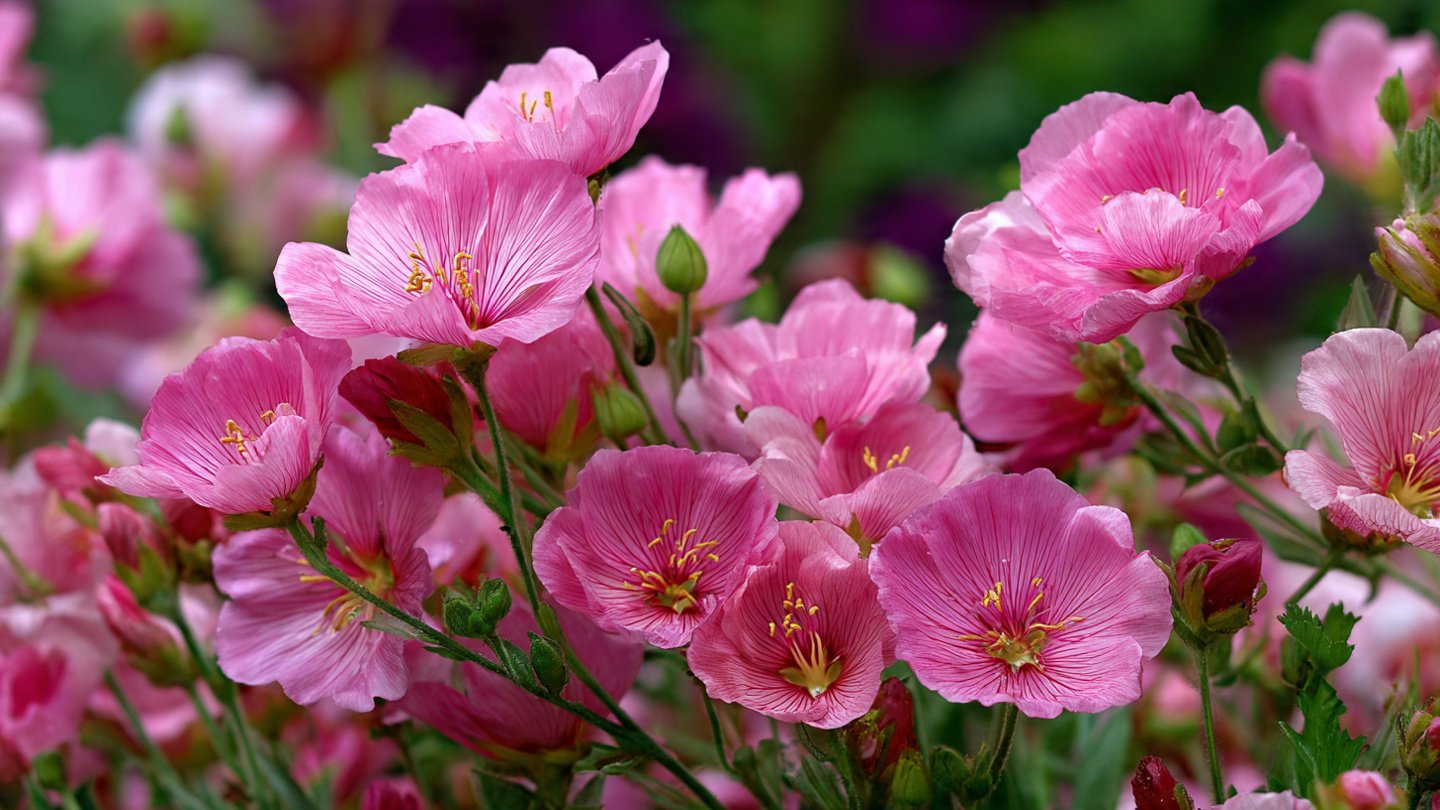
How to Grow Godetia Pink Blooms for a Vibrant Garden Display
Godetia, also known as Clarkia, is a charming annual flower that can bring a splash of color and vibrancy to any garden. With its stunning pink blooms, Godetia is an ideal choice for creating vibrant displays, attracting pollinators, and enhancing the overall appeal of your garden. In this article, we will explore the various aspects of growing Godetia, from understanding the ideal growing conditions to caring for the plant and utilizing it in your garden design.
Understanding Godetia
Godetia belongs to the Onagraceae family and is native to North America, particularly thriving in the western regions. The flower’s petals are often described as satin-like, with colors ranging from soft pinks to bright magentas. Known for their gentle sway in the breeze, Godetia blooms provide a delightful visual and sensory experience. They grow best in full sun and can reach a height of 1 to 3 feet, depending on the variety.
Choosing the Right Varieties
There are several varieties of Godetia, each offering unique attributes:
- Godetia grandiflora (Large Flowered Godetia): This variety features large, showy blooms and can grow up to 36 inches tall. It is perfect for creating a bold statement in your garden.
- Godetia amoena (Elegant Godetia): Known for its delicate flowers and graceful form, this variety typically grows 12 to 24 inches high, making it suitable for borders and container gardening.
- Godetia ‘Rose Queen’: This hybrid is favored for its stunning pink blooms and robust growth. It attracts butterflies, making it a great choice for wildlife gardens.
Planting Godetia
Ideal Conditions
To ensure healthy growth and vibrant blooms, your Godetia plants need the following conditions:
- Sunlight: Full sun is essential for Godetia, so choose a location that receives at least 6 hours of direct sunlight daily.
- Soil: Well-draining soil is crucial. Godetia prefers sandy or loamy soils with a pH of 6.0 to 7.0. If your garden soil is heavy and clay-like, consider amending it with organic matter to improve drainage.
- Temperature: Godetia thrives in cooler weather. It enjoys temperatures between 60°F and 75°F (15°C to 24°C) and can suffer in extreme heat.
When to Plant
Godetia can be propagated through direct seeding or transplanting. Choose your planting time based on your local climate:
- Direct Seeding: In regions with mild winters, sow seeds directly in the spring after the last frost date. For cooler climates, start seeds indoors 6-8 weeks before the last frost, then transplant them outside.
- Transplanting: If you choose to start seeds indoors, transplant your seedlings in the spring when they are about 2-4 inches tall.
How to Plant
- Prepare the Soil: Before planting, prepare the soil by tilling it to a depth of at least 12 inches and mixing in compost or well-rotted manure.
- Sowing Seeds: If planting directly, sow seeds ¼-inch deep, spacing them 6 to 12 inches apart, depending on the variety. Water gently to avoid displacing seeds.
- Transplanting Seedlings: If you’re transplanting seedlings, dig holes large enough to accommodate the root ball. Place each seedling into the hole, backfill with soil, and water well.
Caring for Godetia
Once planted, Godetia requires consistent care to flourish:
Watering
- Frequency: Water the plants regularly, especially during dry spells. The goal is to keep the soil consistently moist but not soggy. Water deeply to encourage deep root growth.
- Avoid Overwatering: Overwatering can lead to root rot. Make sure the top inch of soil dries out before watering again.
Fertilizing
- Type of Fertilizer: Use a balanced, all-purpose fertilizer during the growing season to provide essential nutrients. A slow-release fertilizer can also work well.
- Application: Apply fertilizer according to the package instructions, typically once or twice during the growing season to ensure the plants receive adequate nutrients.
Pruning
- Deadheading: Regularly remove spent flowers to encourage new blooms and prevent the plants from going to seed too early. This practice can extend the blooming period significantly.
- Shape and Size Control: If the plants become leggy, pinching back the tips can encourage bushier growth.
Pest and Disease Management
Godetia is relatively pest-resistant, but watch for common pests such as aphids and spider mites. Here are some tips to keep them at bay:
- Natural Predators: Encourage beneficial insects like ladybugs and lacewings to manage pest populations naturally.
- Organic Solutions: If infestations occur, apply insecticidal soap or neem oil to control pests effectively without harming beneficial insects.
In terms of diseases, Godetia is prone to fungal issues if grown in overly damp conditions. Good air circulation and proper watering practices can help prevent these issues.
Utilizing Godetia in Your Garden Design
Godetia can be a versatile addition to your garden, enhancing its visual appeal in various ways.
Borders and Edges
Godetia varieties that grow shorter, like Godetia amoena, are perfect for borders along walkways or garden beds. Their charming blooms soften the edges and create a welcoming entrance to your garden.
Mixed Flower Beds
Combine Godetia with complementary flowers, such as snapdragons or delphiniums, to create an eye-catching display. The contrast between the pink hues of Godetia and the other blooms can add depth and interest to your flower bed.
Containers
Godetia can also thrive in pots and containers. Combining several plants in a single container can create a stunning centerpiece on your patio or balcony. Be sure to choose pots with adequate drainage.
Attracting Wildlife
Godetia flowers are known to attract butterflies and bees, making them excellent for a wildlife-friendly garden. When planted alongside other native flowers, they can help create a habitat for beneficial pollinators.
Overwintering Godetia
As an annual, Godetia typically completes its life cycle in one growing season. However, if you live in a milder climate, you may be able to extend their life by:
- Saving Seeds: Collect seeds from spent flowers at the end of the blooming season. Store them in a cool, dry place, and replant next spring.
- Self-Seeding: In some regions, Godetia may self-seed, leading to new plants in the following year. Allow spent flowers to remain on the plant until they dry out to encourage self-seeding.
Conclusion
Growing Godetia pink blooms is a rewarding experience that can significantly enhance your garden’s vibrancy and appeal. By understanding the ideal conditions, selecting the right varieties, and implementing proper care techniques, you can create a stunning display that attracts pollinators and delights the senses. Whether you’re looking to fill flower beds, create borders, or spruce up your patio with container gardens, Godetia promises to bring beauty and vibrancy to your outdoor spaces.
With a little effort, you can enjoy the bountiful blooms of Godetia throughout the growing season, brightening up your garden and showcasing the natural beauty of these delightful flowers. Happy gardening!