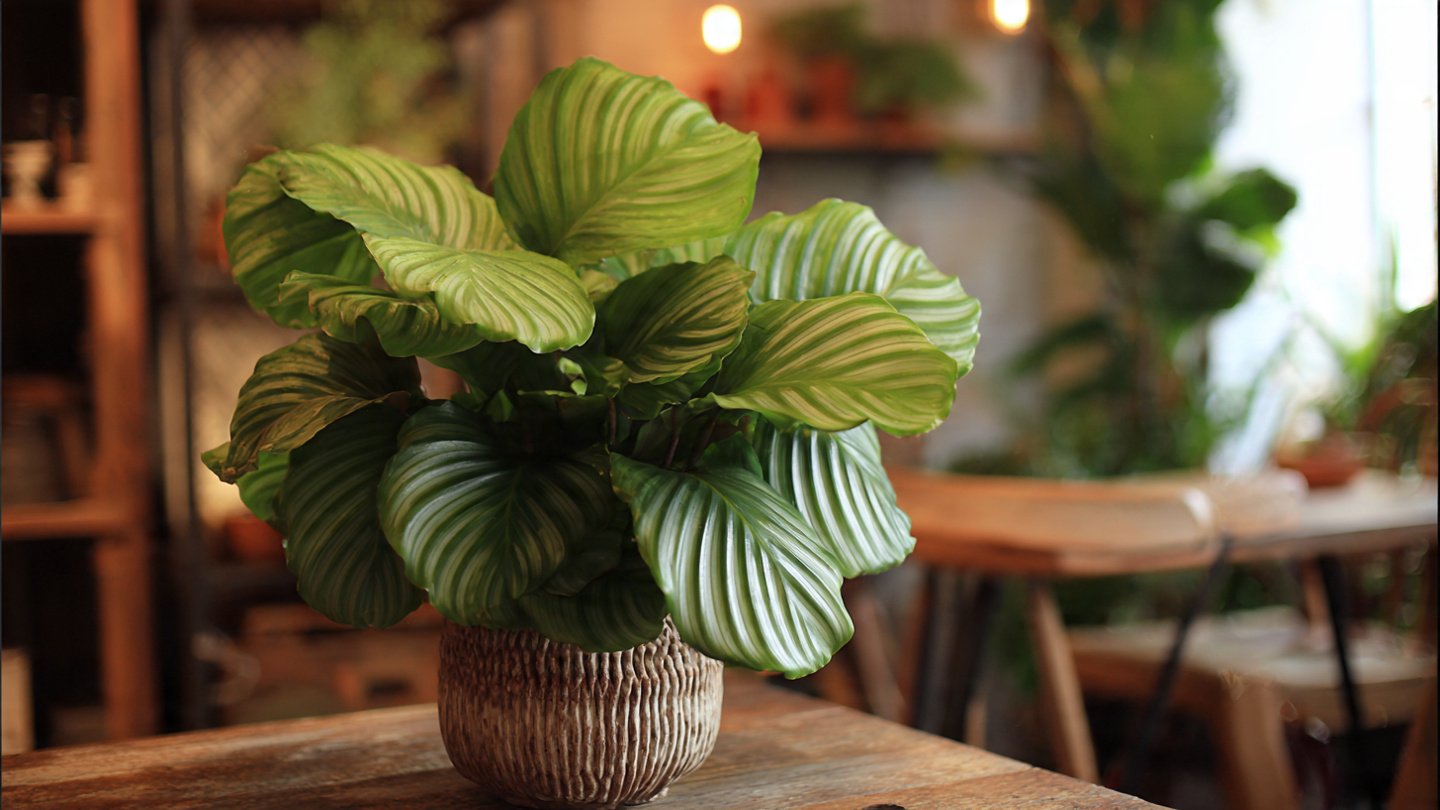
Calathea orbifolia is a stunning plant native to South America that has gained popularity among houseplant enthusiasts for its striking appearance and tropical vibes. With its large, paddle-shaped leaves adorned with intricate patterns of light and dark green, Calathea orbifolia brings an exotic allure to any indoor space. If you are looking to add this beauty to your collection, this comprehensive guide will help you cultivate a healthy and thriving Calathea orbifolia indoors.
Understanding Calathea Orbifolia
Origin and Characteristics
Calathea orbifolia, commonly known as the round-leaf calathea, belongs to the Marantaceae family. It thrives in the rainforests of Bolivia, where it grows under the canopy of larger trees. This environment creates a naturally humid atmosphere, influencing its care requirements.
The leaves of Calathea orbifolia can grow up to 12 inches long and 8 inches wide, creating a bold statement in any space. The soft, velvety texture of the leaves and their unique ribbed pattern make them an excellent choice for enhancing interior decor. Moreover, Calathea orbifolia’s ability to purify indoor air adds to its allure, making it a favorite among plant lovers.
Growth Patterns and Lifespan
Calathea orbifolia is a perennial plant that can grow up to 3 feet in height when properly cared for. With a lifespan of several years, it can be a long-term investment for your indoor garden. However, it is essential to create a stable growing environment to ensure its health and longevity.
Ideal Conditions for Growing Calathea Orbifolia
Creating the right environment for Calathea orbifolia is crucial to its growth and overall health. Let’s explore the key factors that impact its development.
1. Light Bright but Indirect
Calathea orbifolia thrives in bright but indirect light. Direct sunlight can scorch the leaves and lead to browning edges. For optimal growth, place the plant near a window with filtered light or use sheer curtains to diffuse sunlight. If natural light is limited, consider using grow lights to supplement.
2. Humidity Levels
Humidity is paramount for Calathea orbifolia, as it originates from a tropical environment. Ideally, the humidity level should be between 60% to 80%. To achieve this, consider the following methods:
- Misting: Regularly mist the leaves with water. However, avoid over-misting to prevent fungal issues.
- Pebble Tray: Place a tray filled with pebbles and water beneath the pot. As the water evaporates, it will increase humidity around the plant.
- Humidifier: Using a room humidifier can help maintain the desired humidity level, especially during dry winter months.
3. Temperature
Calathea orbifolia prefers warm temperatures between 65°F to 80°F (18°C to 27°C). Avoid exposing the plant to cold drafts or sudden temperature changes, as this can cause stress. Ensure the plant is not placed close to heating vents or air conditioning units, which can lead to rapid temperature fluctuations.
4. Soil Requirements
A well-draining potting mix is essential for Calathea orbifolia. A mix of potting soil, peat moss, and perlite provides excellent drainage while retaining enough moisture. Look for potting soil specifically designed for tropical plants or prepare your own blend.
5. Pot Selection
Choose a pot with drainage holes to prevent water from pooling at the bottom. A plastic or ceramic pot is ideal, as these materials help retain moisture better than terracotta, which can dry out too quickly.
Watering Your Calathea Orbifolia
Calathea orbifolia prefers consistently moist soil but not soggy. Here’s how to ensure proper watering:
- Check Soil Moisture: Insert your finger about an inch into the soil. If it feels dry, it’s time to water.
- Water Thoroughly: When watering, do so until water drains out of the bottom of the pot. This helps ensure that the roots receive adequate moisture.
- Use Room Temperature Water: Cold water can shock the plant. Let your tap water sit for a few hours before using it to allow chlorine to dissipate.
- Monitor Seasonal Changes: During the growing season (spring and summer), Calathea orbifolia will require more frequent watering than in the dormant season (fall and winter), when its water needs decrease.
Fertilizing Your Calathea Orbifolia
Fertilizing your Calathea orbifolia can encourage healthy growth and vibrant foliage. Follow these tips for effective fertilization:
- Choose the Right Fertilizer: A balanced, water-soluble fertilizer with an N-P-K ratio of 20-20-20 is ideal. Alternatively, you can opt for a fertilizer specifically formulated for tropical houseplants.
- Frequency: Fertilize every 4-6 weeks during the growing season (spring and summer) and reduce or stop fertilizing in the fall and winter when the plant is dormant.
- Dilution: Dilute the fertilizer to half the recommended strength to prevent root burn.
Pruning and Maintenance
Regular maintenance helps keep your Calathea orbifolia healthy and looking its best. Here are some essential maintenance tips:
1. Leaf Care
Calathea orbifolia leaves can accumulate dust, which can hinder their ability to photosynthesize. Wipe the leaves gently with a damp cloth every few weeks to keep them clean and vibrant.
2. Pruning Brown Edges
If you notice brown edges on the leaves, it might be a sign of low humidity or inconsistent watering. Trim away any damaged or dead leaves with sterile scissors to encourage new growth and maintain the plant’s aesthetic.
3. Repotting
Calathea orbifolia should be repotted every 1-2 years or when it becomes root-bound. Signs that it’s time to repot include roots growing out of the drainage holes or the plant becoming top-heavy. Choose a pot one size larger and refresh the soil mix.
Common Pests and Problems
While Calathea orbifolia is relatively low-maintenance, it can attract pests such as spider mites, aphids, and mealybugs. Here’s how to handle infestations:
1. Regular Checkups
Inspect your plant regularly for signs of pests. Catching infestations early can make management much easier.
2. Natural Remedies
If you notice pests, you can treat them with neem oil or insecticidal soap. Apply the treatment as directed and ensure to cover both the tops and undersides of the leaves.
3. Environmental Factors
If you notice yellowing leaves or stunted growth, consider evaluating your care routine. Check for:
- Watering Issues: Both overwatering and underwatering can lead to yellowing leaves.
- Improper Light: Too much direct sunlight can also cause stress.
Conclusion
Growing Calathea orbifolia indoors is a rewarding experience that adds a lush, tropical aesthetic to your home. By providing the right conditions—adequate light, humidity, temperature, and nourishment—you can cultivate a flourishing plant that brings joy and beauty to your space.
As you care for your Calathea orbifolia, remember that every plant is unique. Observe your plant’s needs closely, and don’t hesitate to make adjustments based on its responses. With patience and dedication, your Calathea orbifolia can thrive, transforming your home into a green oasis that feels like a tropical getaway. Whether you choose to display it in a prominent location or as part of a verdant collection, this stunning plant is sure to enchant all who encounter it. Happy gardening!