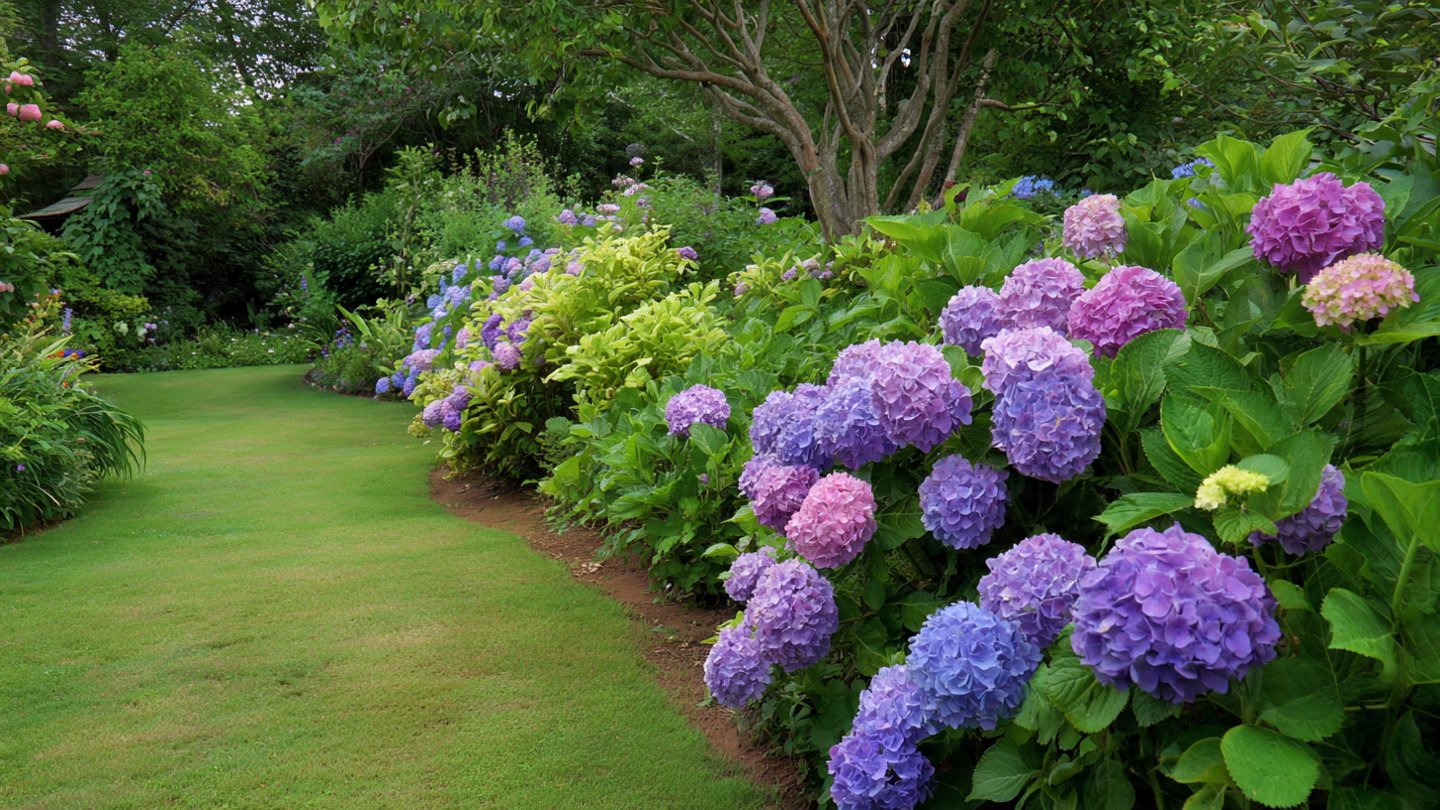
Hydrangeas are among the most beloved flowering shrubs, known for their lush blooms and vibrant colors. For gardeners living in mild climates, cultivating these beautiful plants can be a rewarding endeavor. With their adaptability, hydrangeas can thrive with minimal effort if planted and cared for correctly. This article outlines simple methods to help you grow hydrangeas that will flourish in your mild climate.
Understanding Hydrangeas
Before diving into the methods of growing hydrangeas, it’s essential to understand the different types available and their specific needs. There are several varieties of hydrangeas, each with unique characteristics that may influence your gardening approach. The most common types include:
- Hydrangea macrophylla (Bigleaf Hydrangea): Known for its large blooms, which can be blue or pink depending on the soil pH.
- Hydrangea paniculata (Panicle Hydrangea): Features cone-shaped flower clusters, usually white, that can age to pink.
- Hydrangea arborescens (Smooth Hydrangea): Known for its large, round flower heads.
- Hydrangea serrata (Mountain Hydrangea): Similar to bigleaf hydrangeas but smaller and often more cold-hardy.
Selecting the Right Hydrangea for Your Climate
In a mild climate, you can successfully grow most varieties; however, some are particularly well-suited. Hydrangea macrophylla thrives in zones 6-9, while Hydrangea paniculata and Hydrangea arborescens can handle slightly cooler zones better. If you’re located in a climate that does not experience extreme cold or heat, these taxa will provide the best results.
Choosing the Right Location
Sun and Shade Requirements
The placement of your hydrangeas is crucial for their growth and flowering. Generally, hydrangeas enjoy a mix of sun and shade.
-
Morning Sun, Afternoon Shade: A location that receives morning sunlight and is shaded in the afternoon tends to yield the best results. This combination prevents the flowers from wilting in the harsh afternoon sun.
-
Full Sun: Some varieties, like Hydrangea paniculata, can tolerate full sun, but they will require more watering.
-
Full Shade: Conversely, certain varieties can thrive in shady spots, although they may produce fewer blooms.
Soil Considerations
Hydrangeas prefer well-draining, nutrient-rich soil that retains moisture yet allows for good drainage.
-
Soil Type: A loamy or sandy texture is ideal. You can improve heavy clay soils by mixing in organic matter and compost.
-
pH Level: The soil pH affects the bloom color in Hydrangea macrophylla. Acidic soils make the flowers blue, while alkaline soils produce pink flowers. Testing your soil with a pH kit can help you decide whether to add amendments.
Planting Your Hydrangeas
The best time to plant hydrangeas is in spring or fall when temperatures are moderate.
Step-by-Step Planting Guide
-
Prepare the Soil: Amend the planting area with compost to improve soil structure and nutrients.
-
Dig the Hole: The hole should be about twice as wide and slightly deeper than the root ball of the hydrangea. This allows the roots to spread easily.
-
Place the Plant: Position the hydrangea in the center of the hole, ensuring the root ball is level with or slightly above the surrounding soil.
-
Backfill and Water: Fill the hole with soil, gently packing it around the roots. Water generously to eliminate air pockets and help settle the soil.
-
Mulch: Apply a layer of organic mulch around the base to retain moisture and suppress weeds.
Watering Hydrangeas
Hydrangeas have a high demand for water, especially in their initial stages of growth.
Watering Tips
-
Consistent Moisture: Keep the soil consistently moist but not soggy. Water your hydrangeas regularly, especially during prolonged dry spells.
-
Deep Watering: Apply water deeply rather than shallowly, encouraging deeper root growth.
-
Drip Irrigation: If possible, consider installing a drip irrigation system to ensure consistent moisture without overwatering.
Fertilizing Hydrangeas
Proper fertilization enhances flowering and overall health.
When and How to Fertilize
-
Spring Feeding: Use a slow-release, balanced fertilizer in early spring as new growth begins. Follow the recommended dosage on the label.
-
Mid-Summer Boost: A second application in mid-summer can help support blooming.
-
Organic Options: If you prefer organic options, compost tea or fish emulsion can provide valuable nutrients without chemical additives.
Pruning Hydrangeas
Pruning is crucial for maintaining plant shape, encouraging growth, and enhancing blooms. However, the timing and method depend on the variety you have.
General Pruning Guidance
-
Identify the Type: Understand whether your hydrangea blooms on new or old wood. Hydrangea macrophylla typically blooms on old wood, while Hydrangea paniculata blooms on new wood.
-
Timing: For Hydrangea macrophylla, prune immediately after flowering. For Hydrangea paniculata, prune in late winter or early spring before new growth begins.
-
Methods: Remove dead, damaged, or crossing branches, and shape the plant to promote air circulation. Aim to preserve the plant’s natural beauty while ensuring it remains healthy and vigorous.
Managing Pests and Diseases
Hydrangeas are generally resilient but can be susceptible to pests and diseases. Being vigilant and proactive can help you manage these issues effectively.
Common Pests
-
Aphids: These small insects can be managed with insecticidal soap or by introducing beneficial insects such as ladybugs.
-
Spider Mites: Dry conditions favor spider mites. Increase humidity around your plants and provide consistent watering to keep these pests at bay.
Diseases
-
Powdery Mildew: This fungal disease appears as white powder on leaves. Avoid overhead watering and ensure good air circulation to minimize the risk.
-
Leaf Spot: Often caused by fungi, leaf spot can be managed by removing affected leaves and improving air circulation.
Encouraging Thriving Blooms
Seasonal Care Tips
-
Deadheading: Remove spent blooms to encourage additional flowering, especially in reblooming types.
-
Monitoring Watering Needs: During dry spells, check your plants regularly to ensure they have enough moisture.
-
Seasonal Changes: As seasons change, be attentive to shifting water and sunlight needs.
Conclusion
Growing hydrangeas in a mild climate can be a rewarding experience with vibrant results. By selecting the right varieties, understanding their care requirements, and implementing efficient planting, watering, and pruning strategies, you can cultivate a stunning hydrangea garden that flourishes year after year.
Investing a little time and effort in understanding your hydrangeas will reward you with a spectacular display of color and beauty that enhances your garden space. Whether you’re a novice gardener or an experienced horticulturist, following these straightforward methods will put you on the path to thriving hydrangeas. Happy gardening!