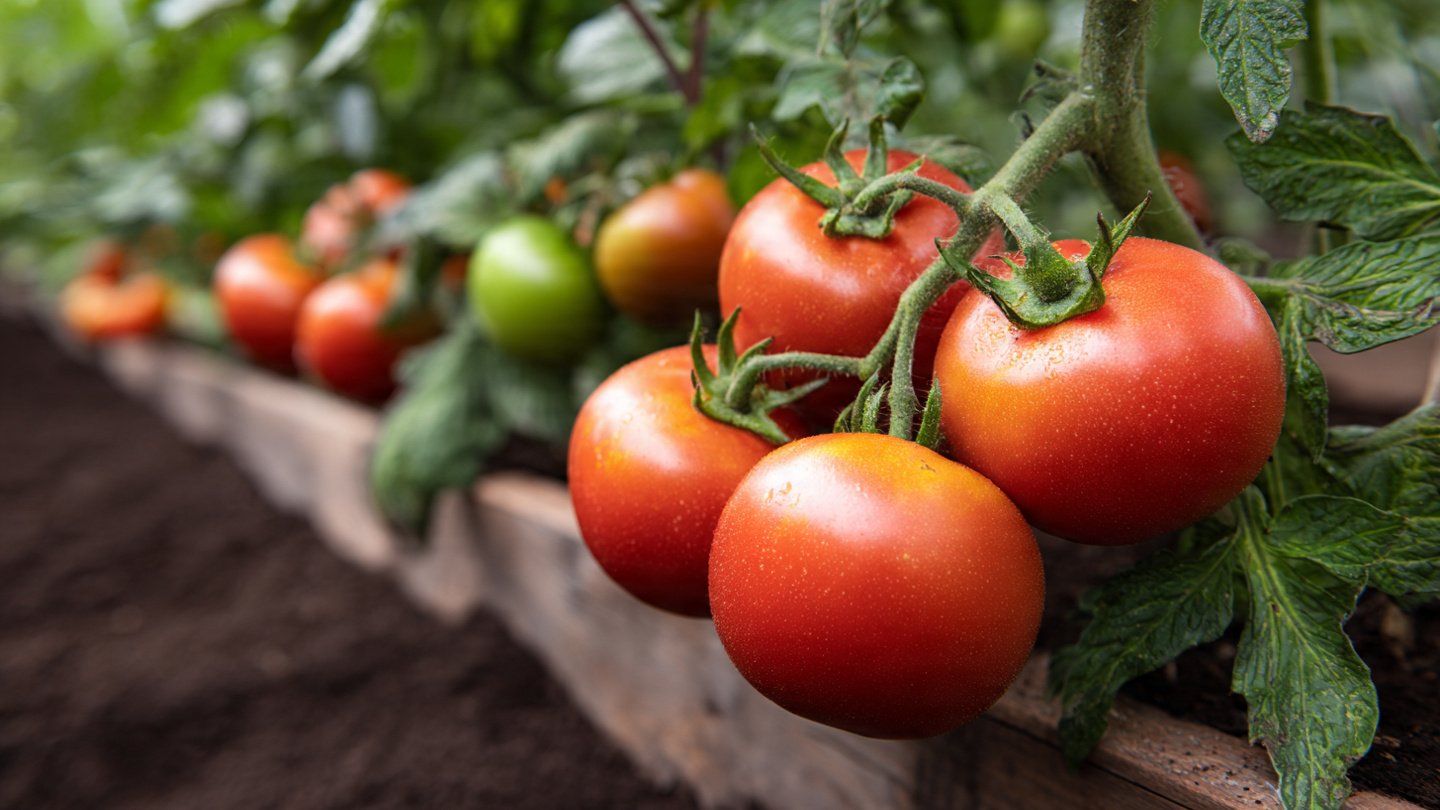
Tomatoes are one of the most popular and rewarding vegetables to grow in home gardens. Whether you are a novice gardener or an experienced grower, starting tomatoes from seeds directly sown in your garden beds can be both a cost-effective and satisfying way to nurture your plants. While many gardeners opt to start tomatoes indoors and transplant seedlings later, direct sowing presents unique opportunities and challenges that, when mastered, yield healthy plants and a bountiful harvest.
In this comprehensive article, we will explore everything you need to know to achieve tomato seed direct sowing success. From planning and preparation to sowing techniques, care, and troubleshooting, this guide is designed to help you grow robust tomato plants straight from seeds sown in the soil.
Why Choose Direct Sowing for Tomatoes?
Direct sowing tomato seeds means planting them directly into the garden soil where they will grow to maturity. Although tomatoes are typically started indoors because they require warmth and a long growing season, direct sowing offers several advantages:
- Less Transplant Shock: Plants develop roots undisturbed in their permanent location.
- Less Time-Consuming: Saves the time required to germinate, grow, and harden off seedlings indoors.
- Cost Savings: No need to invest in seed trays, grow lights, or materials for indoor seed starting.
- Simplifies the Growing Process: Ideal for gardeners with limited indoor space or those who prefer low-maintenance gardening.
However, direct sowing does require attention to timing, soil condition, spacing, and protection from pests and adverse weather.
Preparing for Tomato Seed Direct Sowing Success
1. Selecting the Right Tomato Varieties
Not all tomato varieties are equally suitable for direct sowing. Some grow faster and mature earlier, which is ideal for direct sowing where the growing season may be shorter. Consider:
- Determinate Varieties: Grow to a fixed size and produce all fruit within a short period. They tend to mature earlier.
- Heirloom and Cherry Varieties: Many cherry types are fast-growing and well-suited to direct sowing.
- Cold-Tolerant Varieties: If you live in cooler climates, look for varieties bred to withstand cooler soil temperatures.
2. Timing is Critical
Tomatoes need warm soil (minimum 60°F or 16°C) to germinate well. Planting seeds too early in cold soil can lead to poor or failed germination.
- Use a soil thermometer to check the soil temperature.
- Typically, direct sowing should wait until 1-2 weeks after the last frost date in your area.
- In cooler regions with short growing seasons, consider using raised beds or cloches to warm the soil faster.
3. Preparing the Soil
Tomatoes thrive in loose, fertile, well-drained soil rich in organic matter.
- Clear the area: Remove weeds, rocks, and debris.
- Amend the soil: Incorporate compost or well-rotted manure for nutrients and improved texture.
- Check pH levels: Tomatoes prefer slightly acidic to neutral pH (6.0-7.0).
- Ensure good drainage: Avoid waterlogged soil, which promotes diseases.
Step-by-Step Guide to Direct Sowing Tomato Seeds
Step 1: Mark the Rows or Planting Spots
Decide on the spacing based on your tomato variety:
- Indeterminate varieties: 24-36 inches apart
- Determinate varieties: 18-24 inches apart
Rows should be spaced 36-48 inches apart to allow good air circulation and access.
Step 2: Sow Seeds at the Right Depth
Tomato seeds should be planted about ¼ inch (6 mm) deep.
- Plant two to three seeds per spot or hole.
- Cover seeds lightly with soil and gently firm to eliminate air pockets.
Step 3: Water Gently
- Use a fine spray or watering can to moisten the soil without displacing seeds.
- Keep the soil consistently moist but not waterlogged until germination.
Step 4: Mulch for Germination and Moisture Retention
Applying a thin layer of mulch or straw can help retain soil moisture and regulate temperature, aiding seed germination.
Caring for Direct-Sown Tomato Seeds and Seedlings
Watering
- Keep the soil evenly moist during germination (7-14 days).
- Once seedlings emerge, reduce watering slightly but avoid drying out the soil completely.
Thinning
- When seedlings develop their first true leaves, thin to one strong plant per spot.
- Snip weaker seedlings at soil level to avoid disturbing roots.
Fertilizing
- After seedlings develop 2-3 sets of true leaves, apply a balanced, diluted fertilizer to support growth.
- Avoid too much nitrogen, which encourages foliage at the expense of fruit.
Weeding
- Keep the area weed-free to reduce competition for nutrients and water.
- Mulching helps suppress weeds naturally.
Protecting from Pests and Weather
- Use lightweight row covers to protect seedlings from pests like cutworms and flea beetles.
- Consider a temporary cloche or plastic tunnel if cool temperatures threaten growth.
Troubleshooting Common Challenges
Poor Germination
- Check soil temperature; it may be too cold.
- Ensure seeds are fresh and viable.
- Avoid planting seeds too deeply.
Damping-Off Disease
- Seedlings collapse due to fungal pathogens in overly wet soils.
- Provide good air circulation.
- Avoid overwatering.
Pest Damage
- Use barriers or row covers.
- Hand-pick pests or use organic pest control (e.g., neem oil).
Leggy Seedlings
- Insufficient sunlight can cause spindly growth.
- Thin overcrowded plants early.
Tips for Maximizing Direct Sowing Success
- Use Seed Starting Mix for Patch Planting: Adding a fine seed-starting mix to planting holes can boost germination rates.
- Pre-Warm Soil: Cover the planting area with clear plastic several days before sowing to warm the soil.
- Succession Planting: Sow seeds in intervals every 2 weeks to extend your harvest season.
- Companion Planting: Combine tomatoes with basil or marigolds to reduce pests and improve growth.
- Record Keeping: Keep a gardening journal to note sowing dates, weather conditions, and growth progress.
Conclusion
Direct sowing tomato seeds is an accessible technique that, with the right methods, can yield strong plants and abundant harvests. Key factors such as selecting suitable varieties, timing sowing to warm soil, preparing fertile soil, and consistent care through watering, thinning, and protection are vital. While it requires some patience and attentiveness, direct sowing eliminates the need for indoor starts and transplant shock.
By following these proven strategies and troubleshooting tips, you can enjoy the rewarding experience of growing tomatoes from seed directly in your garden. The taste of homegrown tomatoes ripened under the sun is well worth the effort!
If you would like, I can also provide a printable checklist or a quick-start guide to accompany this detailed method. Just let me know!