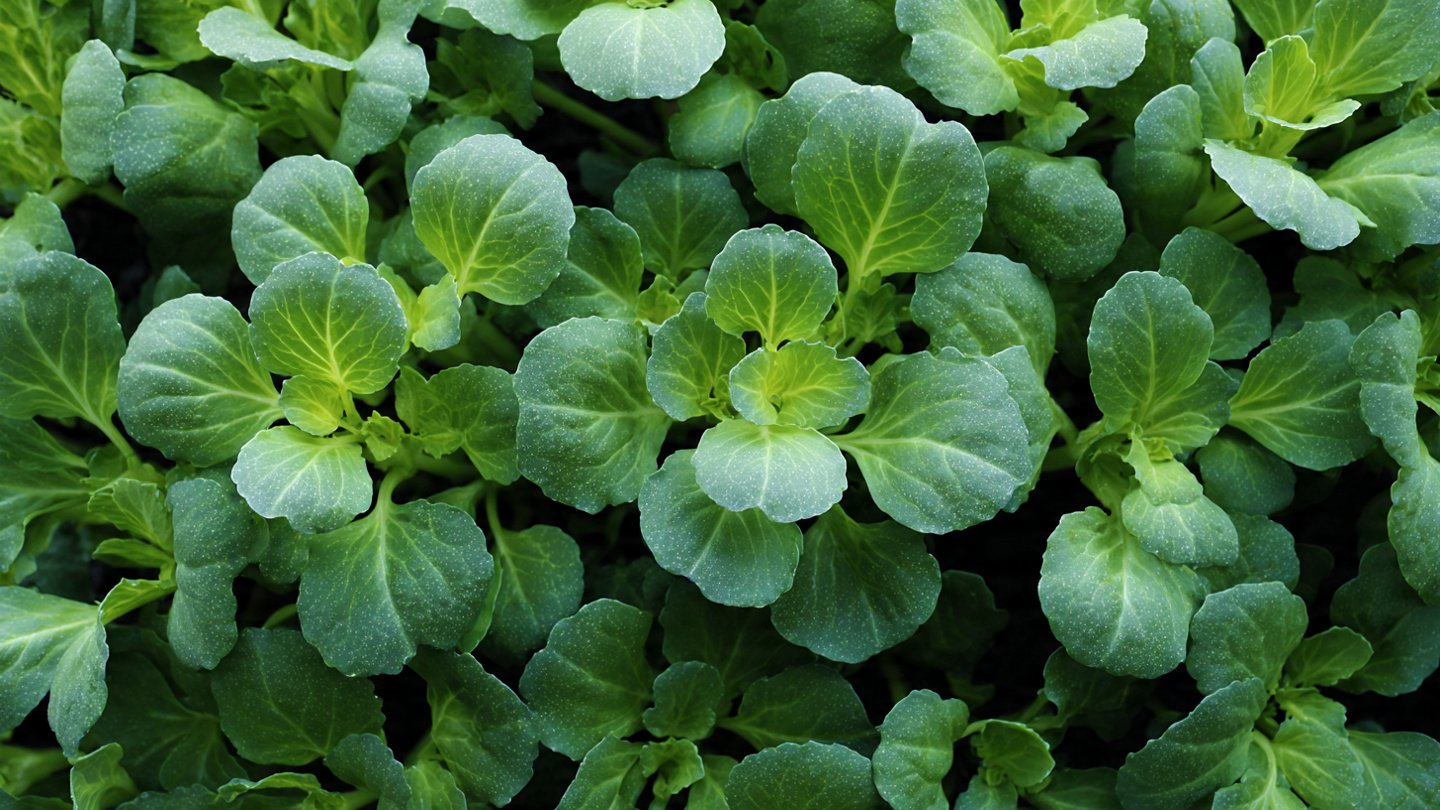
Broccoli, with its rich nutrient profile and versatility in the kitchen, has gained popularity among gardeners and health enthusiasts alike. One of its lesser-known yet nutritious parts is the broccoli greens—young leaves that are packed with vitamins, minerals, and a delightful flavor. If you’re keen on maximizing your yield and enjoying continuous growth of broccoli greens, you’ve come to the right place. In this article, we will explore effective techniques for cultivating these greens, ensuring a sustained harvest throughout the growing season.
Understanding Broccoli Greens
Before diving into the cultivation process, it’s essential to understand what broccoli greens are. They consist of the leaves from the broccoli plant, which are often overlooked in favor of the florets. However, these greens are rich in vitamins A, C, K, and various phytonutrients. They can be used in salads, sautéed, or blended into smoothies, making them a fantastic addition to various dishes.
Choosing the Right Variety
To achieve continuous growth, selecting the right variety of broccoli is pivotal. Some varieties are bred specifically for leaf production, offering abundant green foliage alongside harvestable heads. For those focusing on greens, consider varieties like ‘Raab’ or ‘Chinese Broccoli’ (Gai Lan), which are known for their tender leaves and stems.
Best Varieties for Continuous Growth:
-
Rapini (Broccoli Raab): This variety is primarily grown for its leaves and flowering shoots. It’s well-suited for continuous harvest as it produces multiple side shoots.
-
Chinese Broccoli (Gai Lan): This variety offers thick stems and broad leaves, both of which are edible and delicious.
-
Calabrese Broccoli: Known for producing a central head followed by numerous side shoots, this variety is very productive.
-
Broccoli Microgreens: These young seedlings can be harvested in just a week or two, providing a quick and continuous source of greens.
Planting Your Broccoli Greens
Timing and Location
Broccoli prefers cooler temperatures, making spring and fall the optimal times for planting. The soil should be well-draining with a pH of 6.0 to 7.0. Choose a location with full sun—at least 6 hours of direct sunlight daily—to maximize growth.
Soil Preparation
To promote healthy plant growth, start with soil preparation:
-
Soil Test: Conduct a soil test to determine nutrient levels and pH. Add lime to increase pH, or sulfur to lower it, as needed.
-
Organic Matter: Enrich your soil by adding compost or aged manure. This provides essential nutrients and improves soil structure.
-
Fertilization: Prior to planting, use a balanced fertilizer with equal parts nitrogen, phosphorus, and potassium.
Planting Techniques
-
Direct Sowing: You can directly sow seeds in your garden bed. Plant seeds 1/2 inch deep, 2 inches apart, in rows spaced 18 inches apart.
-
Transplanting: Starting seeds indoors 6-8 weeks before the last frost gives you a head start. Once seedlings have at least two true leaves, transplant them outdoors.
Spacing
Proper spacing is crucial for achieving continuous growth. When transplanting, space plants about 12-18 inches apart to allow for adequate air circulation and light penetration.
Watering and Nourishing
Consistent watering is essential for broccoli greens. These plants thrive in moist environments, especially during their early growth stages.
Watering Techniques
-
Frequency: Water your broccoli regularly, aiming for about 1-1.5 inches of water per week. Adjust depending on rainfall and soil moisture.
-
Method: Use soaker hoses or drip irrigation to deliver water directly to the soil, minimizing water on the leaves, which can promote disease.
Nutrient Management
In addition to initial fertilization, you may need to provide supplemental feeding:
-
Nitrogen: As broccoli is a leafy vegetable, it requires higher nitrogen levels. Use a liquid nitrogen-rich fertilizer every few weeks.
-
Foliar Feeding: Apply organic liquid fertilizers or seaweed solutions as a foliar feed to boost growth and resilience.
Pest and Disease Management
Pests and diseases can hinder the growth of your broccoli greens. Implementing preventative measures will help maintain health in your plants.
Common Pests
-
Aphids: These tiny insects suck sap from the leaves. Use insecticidal soap or neem oil to control populations.
-
Cabbage Worms: These caterpillars can chew through leaves quickly. Hand-picking and planting companion plants like marigolds can deter them.
-
Flea Beetles: These small jumping beetles can create holes in leaves. Row covers can provide an effective barrier during the early growth phases.
Diseases
-
Downy Mildew: This fungal disease often occurs in damp conditions. Ensure good air circulation and avoid overhead watering to minimize risk.
-
Black Rot: Look for yellowing leaves with a black border. Rotate crops and maintain proper spacing to reduce infection susceptibility.
Continuous Harvesting Techniques
One of the best strategies for maximizing your broccoli greens harvest is to adopt continuous harvesting methods.
Cut-and-Come-Again
This technique involves harvesting leaves from the outer portion of the plant while allowing the inner leaves to continue growing.
-
How to Harvest: Use scissors to snip off leaves about an inch above the base of the plant. This encourages new growth and prolongs the harvest period.
-
Timing: Start harvesting when the leaves reach a desirable size—usually when they are at least 4-6 inches long.
Succession Planting
To ensure a steady supply of broccoli greens, practice succession planting.
-
Plan: After your initial planting, sow new seeds every couple of weeks. This staggered approach ensures that as one batch matures, another batch is ready to be harvested.
-
Variety Staggering: Plant different varieties with varying growth rates to further enhance the diversity of your harvest.
Seasonal Care
Broccoli can be grown year-round in many climates with proper care.
Summer Strategies
In warmer months, consider the following tips:
-
Shade: Provide some shade during the hottest parts of the day to prevent bolting (premature flowering).
-
Mulching: Use organic mulch, like straw or wood chips, to retain soil moisture and regulate temperature.
Winter Strategies
If you live in a colder climate and want to grow broccoli greens in winter:
-
Row Covers: Use lightweight row covers to protect the plants from frost while allowing sunlight to penetrate.
-
Cold Frames: Consider using cold frames to extend the growing season for your broccoli greens.
Harvesting and Storage
To maximize the use of your harvest, proper techniques should be employed during harvesting and storage.
Harvesting Techniques
-
Timing: Harvest in the morning when leaves are crisp and full of moisture, which ensures optimal flavor.
-
Tools: Always use clean, sharp shears or knives to avoid damage to the plant and to minimize the risk of disease transmission.
Storage Methods
-
Fresh Use: Broccoli greens are best used fresh. Store unwashed greens in a perforated plastic bag in the fridge for up to a week.
-
Freezing: If you have an abundance, blanching the greens for a few minutes before freezing can prolong their storage life while preserving nutrients and flavor.
Conclusion
Achieving continuous growth of broccoli greens involves a combination of the right variety selection, proper planting techniques, ongoing care, and effective harvesting strategies. By understanding the needs of your broccoli plants and implementing these practices, you can enjoy a bountiful harvest of nutritious greens throughout the growing season. Whether used in salads, stir-fries, or smoothies, broccoli greens are a delicious and healthful addition to your meals, making the effort well worth it. Happy gardening!