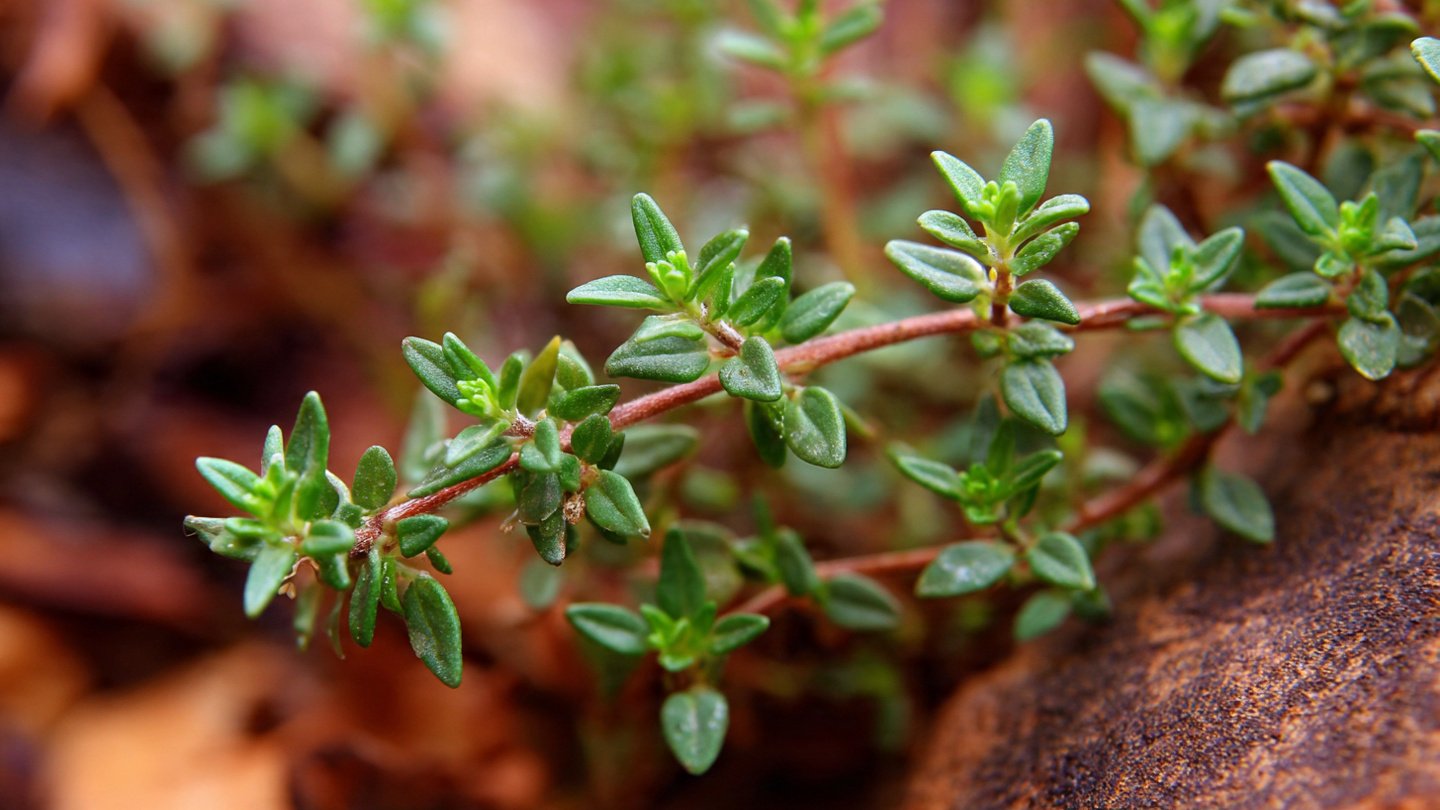
Thyme is one of the most beloved herbs in kitchens and gardens across the world. Renowned for its aromatic flavor and versatility, it’s a staple in many culinary traditions. However, many gardeners wonder if they can grow thyme without the more commonplace woody stems that characterize mature plants. This article will explore the intricacies of growing thyme, the role of woody stems, and tips for achieving lush, leafy herbs without the woody texture.
Understanding Thyme
Thyme (Thymus vulgaris) belongs to the mint family (Lamiaceae) and is native to southern Europe. It’s a perennial herb, which means it can live for several years if cared for properly. The plant thrives in well-drained soil and requires full sun to flourish. There are various types of thyme, including English thyme, lemon thyme, and creeping thyme, each offering unique flavors and characteristics.
As thyme matures, it develops woody stems, which are a natural part of its growth cycle. However, the process of stem maturation raises questions among gardeners. Can you cultivate thyme without these woody stems? Let’s delve into this topic further.
The Role of Woody Stems in Thyme Growth
Woody stems serve several purposes in thyme plants:
-
Support: Woody stems provide structural support, allowing the plant to grow upright and reach for sunlight.
-
Storage: They serve as a reservoir for nutrients and water, which is particularly important in times of drought.
-
Flavor Development: The aromatic oils in thyme develop and concentrate more as the plant matures, which often correlates with the formation of woody stems.
While woody stems are integral to mature thyme plants, they aren’t the only way to grow this herb. Understanding the growth stages of thyme can help gardeners explore alternative methods.
Growing Thyme: Key Steps
Growing thyme without allowing it to develop woody stems is indeed possible through proper practices, ensuring that the plant remains lush and leafy. Here’s how to achieve that:
1. Seed Selection
Choosing the right seed type is crucial. Opt for varieties known to remain leafy longer, such as creeping thyme or specific culinary varieties like lemon thyme. These tend to have softer stems and can be managed to prevent woodiness.
2. Soil Preparation
Thyme thrives in well-drained, sandy soil. Heavy, clay-like soils encourage impaction and may lead to stress and woodiness. Here are some tips for soil preparation:
- pH Level: Aim for a pH level of 6.0 to 8.0, ensuring it is slightly alkaline. You can test your garden soil with a pH tester and amend with lime if necessary.
- Organic Matter: Enrich the soil with organic matter, such as compost, to promote healthy growth and drainage.
3. Planting
When planting thyme, consider these factors:
-
Spacing: Allow sufficient space between plants. This helps airflow and light exposure, reducing stress on individual plants.
-
Depth: Plant seeds at a depth of about 1/4 inch if using seeds or just cover the roots slightly if planting transplants.
4. Watering Techniques
Watering practices significantly impact thyme growth. While these plants are drought-resistant, they still require consistent moisture during their early growing stages. Here’s how to optimize watering:
-
Soak and Dry: Water the plants thoroughly but allow the soil to dry out between watering sessions. This mimics their natural habitat and prevents root rot.
-
Focus on the Base: Water directly at the base of the plant to encourage deep root growth and minimize moisture on the leaves, reducing the risk of fungal diseases.
5. Light Exposure
Thyme requires full sun (at least 6-8 hours of sunlight per day) for optimal growth. Ensure that the plants are in a sun-drenched spot. When growing indoors, you may find supplemental LED grow lights beneficial.
6. Pruning
Regular pruning can significantly prevent thyme from becoming woody. Here’s how to prune effectively:
-
Timing: Prune during active growth in spring and early summer when the plant is thriving.
-
Technique: Pinch off the tips of the stems, focusing on removing any flowers that appear. This encourages lateral growth, resulting in a bushier, leafier plant.
-
Avoid Over-Pruning: While pruning is beneficial, avoid cutting into the woody sections of the stems, as these will not regrow as easily.
Nurturing Thriving Thyme Plants
To ensure your thyme remains leafy and lush, follow these care tips:
1. Fertilizing
While thyme is a low-maintenance herb, a light application of fertilizer during the growing season can enhance growth. Use a balanced, water-soluble fertilizer diluted to half strength. Unnecessary fertilization can promote lush leaves, but may weaken the plants over time.
2. Companionship in the Garden
Companion planting can aid in the overall health of thyme plants. Consider planting thyme alongside:
- Carrots: Thyme naturally repels certain pests that affect carrots.
- Cabbage: Helps deter cabbage moths.
3. Monitoring for Pests
While thyme is relatively resistant to pests, it’s still essential to monitor for common invaders, such as aphids and spider mites. If you notice pests, consider using insecticidal soap or neem oil as a gentle, organic solution.
Harvesting Thyme
When it comes to harvesting thyme, timing is crucial. The best time to harvest is just before the plant begins to flower, as this is when the flavor profile is most intense. Here’s how to harvest effectively:
-
Cutting: Use sharp shears to snip off sprigs, taking care not to cut the woody base.
-
Storage: Fresh thyme can be used immediately or stored in the refrigerator wrapped in a damp paper towel. For longer preservation, consider drying or freezing the leaves.
Conclusion: Enjoying Thyme Without Woody Stems
While woody stems are a natural part of thyme’s growth cycle, it is possible to cultivate a lush, leafy herb through attentive gardening practices. By selecting the right seeds, optimizing soil conditions, watering appropriately, and regularly pruning, gardeners can enjoy vibrant thyme plants without the fibrous, woody stems that accompany maturity.
Whether you’re a seasoned gardener or a novice, nurturing thyme in a way that emphasizes lush growth allows you to savor the delightful flavors of this herb in your culinary endeavors. With patience and care, you can unlock the secrets to growing thyme that enhances both your dishes and your garden — all without the constraints of woody stems. Happy gardening!