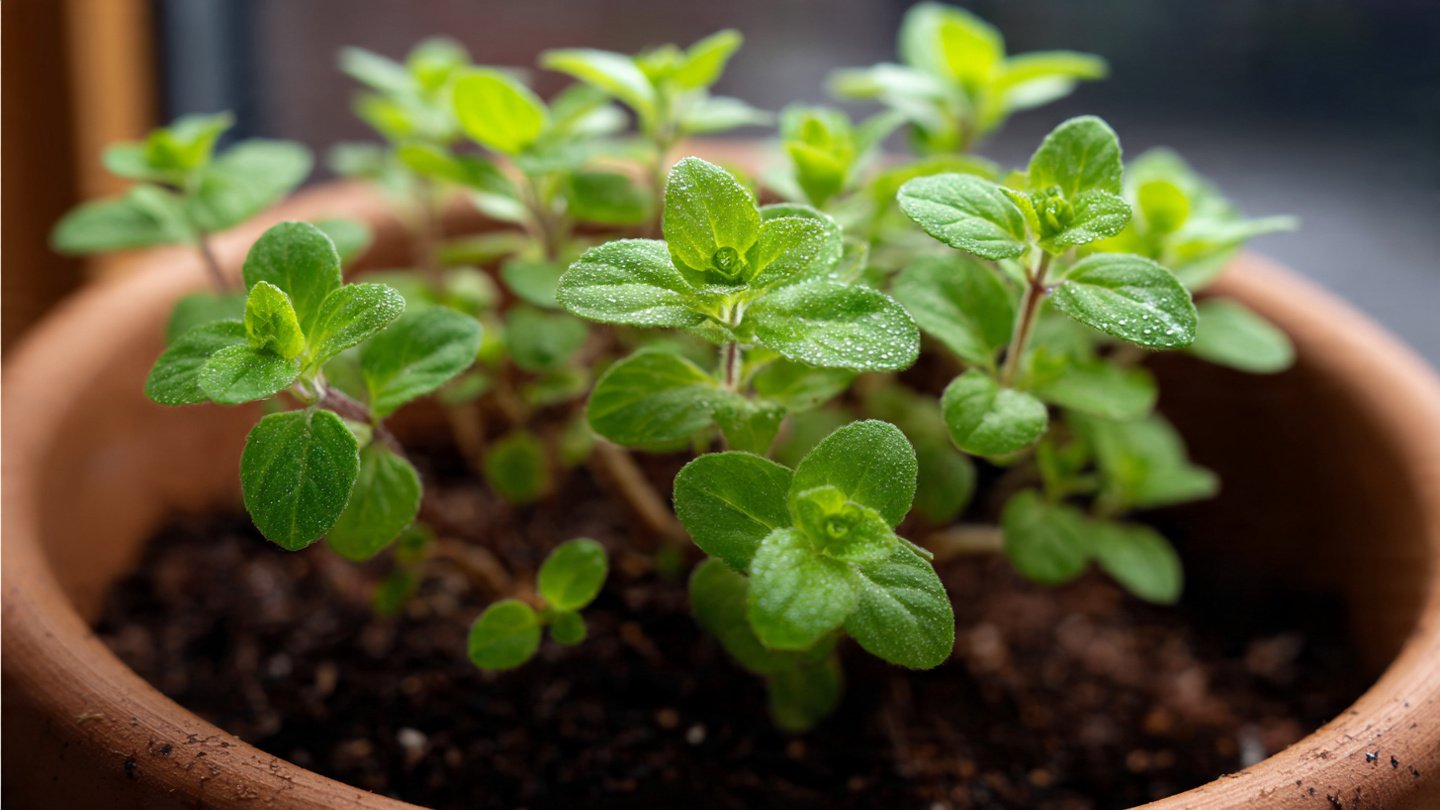
Creeping oregano (Origanum vulgare subsp. hirtum) is a delightful herb that not only adds flavor to various dishes but also brings an aromatic charm to your garden. Whether you’re an experienced gardener or a beginner, growing this resilient plant can be a rewarding experience. In this article, we will explore how to cultivate creeping oregano at home, covering everything from planting to harvesting, and providing tips for maximizing your yield.
What is Creeping Oregano?
Creeping oregano is a perennial herb known for its low growing habits and spreading nature, which makes it ideal for ground cover. Its oval-shaped leaves are aromatic and often used in Mediterranean cuisine, predominantly in Italian and Greek dishes. This herb is not only valued for its culinary uses; it also has medicinal properties, including anti-inflammatory and antioxidant effects.
Benefits of Growing Creeping Oregano
-
Culinary Versatility: Freshly picked creeping oregano can elevate the flavor of soups, salads, pasta, and meats.
-
Aesthetic Appeal: Its attractive foliage and beautiful pink-purple flowers add beauty to gardens and landscapes.
-
Easy to Care For: Creeping oregano is drought-resistant and thrives in various soil types, making it perfect for novice gardeners.
-
Medicinal Uses: Known for its health benefits, oregano can aid digestion and has antimicrobial properties.
Choosing the Right Location
When considering where to grow creeping oregano, it’s essential to select a location that provides ample sunlight. Here are some factors to keep in mind:
Sunlight
Creeping oregano loves full sun, so aim for at least 6-8 hours of direct sunlight per day. In hotter climates, some afternoon shade can be beneficial to prevent stress on the plant.
Soil Type
Creeping oregano adapts to various soil types but thrives best in well-drained, sandy, or loamy soil. Avoid heavy clay soils that can trap water and lead to root rot. The ideal soil pH for oregano ranges from 6.0 to 8.0.
Drainage
Good drainage is vital for creeping oregano. If you have dense soil, consider building raised beds or mounding the soil to improve drainage. Adding organic matter like compost can also help improve soil quality.
Propagation Methods
There are several ways to propagate creeping oregano, including seeds, cuttings, and division. Each method has its benefits, so choose one that suits your gardening style.
1. From Seeds
- Where to Buy: Purchase seeds from a reputable garden center or online store.
- Sowing: Start seeds indoors about 6-8 weeks before the last frost or sow them directly in the garden in spring.
- Light and Water Needs: Provide bright light and keep the soil moist but not soggy until germination occurs.
2. From Cuttings
- Taking Cuttings: In early summer, cut a 4-6 inch stem from a healthy oregano plant just below a leaf node.
- Rooting: Place the cutting in water or directly into soil. If using water, transfer to soil once roots are about 2 inches long.
3. Division
- When to Divide: Best done in the spring or fall.
- Method: Simply dig up an established plant and gently separate the roots into smaller sections before replanting them in new locations.
Planting Creeping Oregano
Once you have your seedlings, cuttings, or divisions prepared, it’s time to plant them.
Spacing
For a ground cover effect, space creeping oregano plants about 12-18 inches apart. This allows them to spread adequately without overcrowding.
Planting Depth
When planting, bury the root ball at the same depth it was in its previous container or slightly deeper. Gently pack the soil around the base to eliminate air pockets and ensure good contact with the roots.
Watering
Water newly planted oregano thoroughly but avoid overwatering. Established plants typically require minimal watering; during dry spells, a deep watering every couple of weeks should suffice.
Caring for Creeping Oregano
With the right growing conditions in place, caring for creeping oregano becomes straightforward.
Watering
Creeping oregano is drought-tolerant once established. Water moderately and allow the soil to dry out between waterings. Overwatering can lead to root rot and other fungal diseases.
Fertilizing
Oregano is not a heavy feeder, so too much fertilizer can harm its flavor. A light application of balanced fertilizer can be applied in early spring. Alternatively, using compost can provide the nutrients needed without overwhelming the plant.
Pruning
Regular pruning helps encourage bushier growth and prevents legginess. Pinching back the tips of stems will promote branching and lead to a fuller plant. Additionally, remove any dead or damaged leaves to enhance air circulation.
Pest Control
Creeping oregano is typically resistant to pests and diseases. Occasionally, you may encounter spider mites or aphids. These can usually be managed by hosing down the plants or using insecticidal soap.
Harvesting Creeping Oregano
Creeping oregano can be harvested once the plants are well-established, usually about 2-3 months post-planting.
When to Harvest
-
Timing: The best time to harvest is just before the plant begins to flower. At this stage, the essential oils are at their peak concentration, offering the best flavor.
-
How to Harvest: Using scissors or pruning shears, clip stems just above a leaf node to encourage further growth.
Drying and Storing
After harvesting, you can use the leaves fresh or dry them for later use.
-
Drying: Bundle the stems together and hang them upside down in a dark, dry place with good air circulation. Alternatively, use a dehydrator or an oven on low heat.
-
Storing: Once dried, crumble the leaves and store them in an airtight container, away from direct light.
Common Issues and Solutions
1. Yellowing Leaves
This could be due to overwatering, so check the soil moisture and drainage.
2. Leggy Growth
Insufficient sunlight can cause plants to stretch towards the light. Move pots to a sunnier location or prune back to encourage fuller growth.
3. Root Rot
Ensure good drainage and watering appropriately to avoid this common problem.
Conclusion
Growing creeping oregano at home is not only feasible but also immensely rewarding. With its culinary uses, drought-resistant nature, and ease of care, it’s a perfect addition to any garden. Whether you’re intending to use it for cooking, garnish your dishes, or simply enjoy its aromatic presence in your backyard, following the guidelines in this article will help ensure success in cultivating this cherished herb. So grab your gardening tools, choose the right spot, and let the gardening adventure begin!