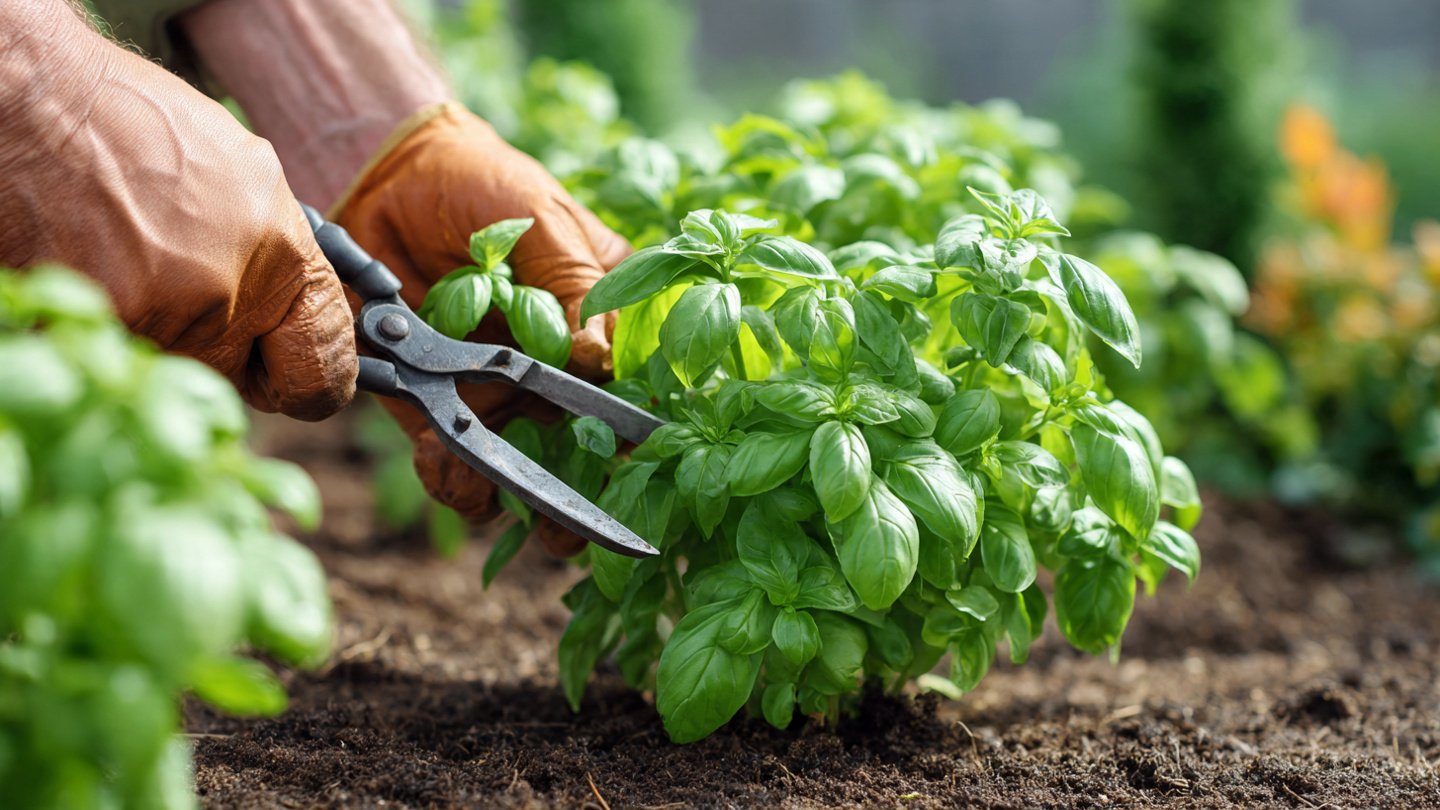
Basil, a beloved herb known for its aromatic leaves and culinary versatility, is a favorite among gardeners and chefs alike. However, achieving a lush, dense basil plant requires more than just planting and watering. Pruning plays a critical role in promoting vigorous growth and preventing the plant from becoming leggy or sparse. This article will guide you through the essential tips and techniques for pruning a basil plant to encourage dense, healthy growth, ensuring a bountiful harvest throughout the growing season.
Understanding Basil Growth
Before diving into pruning techniques, it’s important to understand how basil grows. Basil is an annual herb that thrives in warm weather and sunlight. It grows from a central stem, producing sets of leaves and branches along the way. If left unpruned, basil plants tend to grow tall and spindly, often flowering too early, which can reduce leaf production and alter the flavor.
Pruning works by encouraging the plant to produce more lateral branches, which results in a bushier growth habit. By removing certain parts of the plant, you stimulate the plant’s natural growth hormones to activate dormant buds and spread out more leaves.
When to Prune Basil
Timing is crucial for effective pruning. Basil should be pruned regularly starting a few weeks after planting, once the plant is about 6 inches tall and has developed several sets of leaves. The goal is to prune before the plant becomes leggy or starts flowering excessively.
Pruning should continue throughout the growing season every 1-2 weeks, depending on the growth rate and environmental conditions. Regular pruning also helps maintain plant health by improving airflow and reducing the risk of disease.
Tools for Pruning Basil
You don’t need fancy tools to prune basil, but having the right equipment makes the job easier and healthier for the plant. Use:
- Clean, sharp scissors or garden shears: Dull blades can crush the stem and invite disease.
- Your fingers: For pinch pruning, which can be gentler and allows you to feel the stems.
- Sterilizing solution: To clean tools between cuts and prevent disease spread.
How to Prune Basil for Dense Growth
1. Pinch the Top Growth
Begin by pinching or cutting just above a pair of leaves near the top of the plant. This action removes the terminal bud — the main growth tip that directs the plant to grow upward rather than outward. By eliminating the terminal bud, the plant redirects energy to side shoots, encouraging bushier growth.
Use your fingers or scissors to pinch or cut about ¼ inch above the leaf node (where leaves attach to the stem). This will promote the growth of two new stems below the cut, adding fullness.
2. Remove Flower Buds Promptly
Basil plants start to flower soon after they mature. While the flowers are attractive and even edible, they signal the plant to focus on reproduction rather than leaf production. Flowering causes the leaves to become bitter and decreases overall yield.
Regularly check for flower spikes and pinch them off as soon as they appear. This prolongs leaf production and helps the plant develop dense leafy growth.
3. Prune Lower Leaves and Branches
For optimum airflow and to prevent disease, remove any leaves or branches that are touching the soil or that look yellowed and unhealthy. This also helps the plant focus energy higher up where it can receive more light and grow stronger.
4. Harvest Leaves Strategically
Treat harvesting as a form of pruning by picking leaves from the top and sides of the plant. Avoid stripping all the leaves from one area; instead, pick leaves from various parts of the plant to encourage balanced growth.
Harvesting regularly also acts like pruning by stimulating new growth and preventing the plant from becoming overgrown.
5. Shape the Plant
As the plant grows, step back and evaluate its shape. If some branches grow unevenly long or out of place, trim them back to the leaf node to maintain an even, compact shape.
6. Avoid Heavy Pruning in Extreme Heat
Though regular pruning is beneficial, avoid heavy cuts during extreme heat, especially in mid-summer. Stress from pruning combined with heat can harm the plant. In hot weather, prune lightly and increase watering to support recovery.
Additional Tips for Healthy Basil Growth
- Sunlight: Basil needs 6-8 hours of direct sunlight daily to thrive and respond well to pruning.
- Watering: Keep the soil moist but well-drained. Over-watering can cause root rot, while underwatering stresses the plant.
- Soil Health: Use fertile, well-draining soil with organic matter. Healthy soil boosts overall plant vigor.
- Spacing: Plant basil with enough spacing (about 12 inches apart) to allow airflow and room for pruning growth.
Common Mistakes to Avoid
- Waiting too long to prune: If you delay pruning until the plant is very tall and leggy, it’s harder to encourage bushy growth.
- Cutting too close to the ground: Basil needs some stem above the soil to regenerate leaves and branches. Avoid cutting the plant down to the base.
- Ignoring flower buds: Letting flowers develop will reduce leaf quality and plant density.
- Using dirty tools: This can spread disease and damage the plant.
Troubleshooting Basil Pruning Issues
- Leggy growth: If your basil is leggy despite pruning, it might need more frequent pruning, better sunlight, or improved soil nutrients.
- Yellowing leaves: Could indicate overwatering, poor drainage, or nutrient deficiency. Adjust care accordingly.
- Slow regrowth: Make sure the plant is not stressed by heat or pests and is receiving adequate water and nutrients.
Conclusion
Pruning basil is an essential gardening skill that not only keeps your plant bushy and attractive but also maximizes leaf production for cooking and other uses. By pinching the top growth, removing flowers, pruning carefully, and harvesting strategically, you can enjoy a dense basil plant bursting with flavorful leaves throughout the season.
With regular attention and the right techniques, your basil will flourish in any garden or container setting, providing endless freshness and a rewarding gardening experience. Happy pruning!