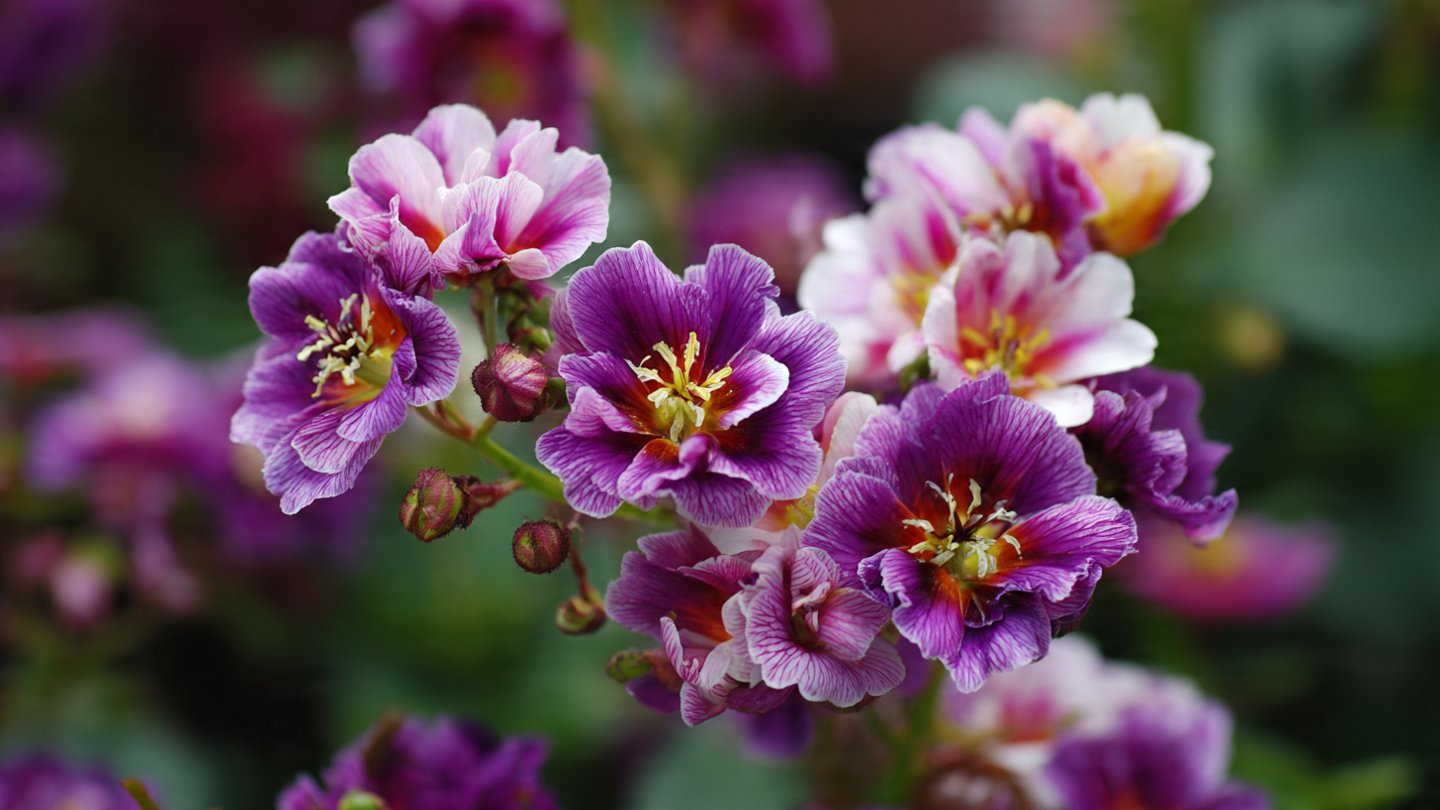
If you’re looking to add a touch of elegance to your garden with flowers resembling orchids, the Schizanthus, also known as the Poor Man’s Orchid, is an excellent choice. These stunning blooms come from South America and are renowned for their intricate petal patterns and vibrant colors. With the right attention to their needs, you can cultivate these remarkable flowers and create a breathtaking display in your garden.
Understanding Schizanthus
Botanical Overview
The Schizanthus genus belongs to the Solanaceae family, which is the same family as tomatoes and eggplants. These annuals exhibit an unusual look that captivates gardeners and flower enthusiasts alike. The flowers can be pink, blue, purple, or white, often exhibiting a unique pattern that mimics the appearance of orchids.
Growing Regions
These flowers are native to the temperate regions of Chile and Argentina, which makes them well-suited to similar climates. They thrive in environments that offer cool to moderate temperatures, making them ideal for spring and fall planting in many locations.
Choosing the Right Variety
Several species of Schizanthus are popular among gardeners, including:
- Schizanthus pinnatus: Known for its starry flower shape and a wide range of colors.
- Schizanthus x wisley: A hybrid that tends to produce larger flowers and is particularly robust.
Select the variety that appeals to you based on color, petal shape, and hardiness.
Preparing the Soil
Soil Type
The foundation of a successful garden display begins with suitable soil. Schizanthus prefers well-draining soil enriched with organic matter. A pH of 6.0 to 7.0 is ideal.
Soil Preparation Steps:
-
Select a Location: Choose a sunny spot in your garden. Schizanthus requires about 6 to 8 hours of sunlight daily.
-
Soil Testing: Conduct a soil test to determine pH and nutrient levels. You can purchase a testing kit or send a sample to a local extension service.
-
Amend the Soil: Based on the results, amend the soil with compost or well-rotted manure to enhance fertility and drainage.
-
Tilling: Till the top 12 inches of soil to aerate and mix in any amendments.
Sowing Seeds
When to Sow
You can start Schizanthus seeds indoors 8 to 10 weeks before the last frost or sow them directly outside once the soil has warmed in spring.
Seed Sowing Steps:
-
Containers: Use seed trays or pots filled with seed-starting mix. Ensure they have drainage holes.
-
Sowing Depth: Scatter the seeds on the surface and lightly press them into the soil. They need light for germination, so avoid burying them too deep.
-
Moisture: Water the soil gently using a spray bottle or fine mist to avoid displacing the seeds.
-
Temperature and Light: Maintain a temperature of 65-75°F for germination, placing them in a bright location or under grow lights.
-
Thinning: Once seedlings have a couple of sets of true leaves, thin them to prevent overcrowding, leaving about 6-12 inches apart.
Transplanting Seedlings
Once your seedlings have reached about 3 inches tall and the threat of frost has passed, it’s time to transplant them into the garden.
Steps for Transplanting:
-
Harden Off: Before transplanting, acclimate your seedlings to outdoor conditions. Gradually expose them to the outdoors over a week, increasing their time outside each day.
-
Dig Holes: Dig holes that are twice the width of the root ball of your seedlings.
-
Transplanting: Carefully remove seedlings from their pots, taking care not to damage the roots. Place them in the holes and gently backfill with soil, ensuring the crown is at soil level.
-
Watering: Water the newly transplanted seedlings thoroughly to help them settle in.
Providing the Right Care
Watering
Maintaining consistent moisture is key for Schizanthus, particularly during dry spells. However, be cautious of overwatering; the soil should dry out slightly between waterings. A good rule of thumb is to water once the top inch of soil feels dry.
Fertilization
Feed your Schizanthus with a balanced fertilizer every 4-6 weeks while they’re growing. Opt for a diluted liquid fertilizer that promotes blooming. Avoid over-fertilization as it can lead to lush foliage at the expense of flowers.
Pests and Diseases
Like many other flowers, Schizanthus is susceptible to certain pests and diseases.
Common Pests:
- Aphids: Tiny insects that can cluster on new shoots.
- Spider Mites: They thrive in dry conditions and cause leaf discoloration.
Pest Control:
- Use insecticidal soap or neem oil to manage infestations.
- Introduce beneficial insects like ladybugs to keep aphid populations in check.
Diseases:
- Powdery Mildew: Occurs in high humidity. Ensure good air circulation and avoid overhead watering.
- Root Rot: Caused by poor drainage. Ensure soil is well-draining and allow the soil to dry slightly between waterings.
Maintenance
Deadheading
To encourage more blooms, regularly deadhead spent flowers. This involves cutting or pinching away flowers that have faded, redirecting energy to new growth and blossoms.
Support
Depending on the variety and height, some Schizanthus plants may require staking to support the flowers as they grow, especially in windy locations.
Harvesting Flowers
One of the enjoyable aspects of growing Schizanthus is harvesting their beautiful blooms.
- Timing: Cut flowers when they are fully open but before the petals begin to wilt.
- Technique: Use sharp scissors or a knife to cut the stem at an angle, allowing for greater water absorption.
- Arranging: Place harvested flowers in cool water immediately to keep them fresh. They can last up to two weeks in a vase.
Creating a Stunning Display
When planning your garden layout, consider mixing Schizanthus with other plants to create a beautiful, layered look.
Companion Plants:
- Nasturtiums: Their vibrant hues complement Schizanthus well.
- Snapdragons: Provide height and additional color.
- Bacopa: Offers a lovely cascading effect.
Layout Ideas:
- Borders: Plant Schizanthus along garden borders for a charming edge.
- Containers: Use pots or hanging baskets to create elevated displays.
- Cut Flower Gardens: Dedicate a section of your garden to Schizanthus for cutting and arranging.
Conclusion
With their mesmerizing beauty and unique appearance, Schizanthus flowers can truly elevate your garden. By following the guidelines outlined above—from soil preparation to nurturing these delicate blooms—you can create a stunning floral display that will captivate visitors and bring joy to your green space. Embrace the opportunity to experiment with this dramatic addition, and enjoy the reward of your luscious, orchid-like flowers all season long. Happy gardening!