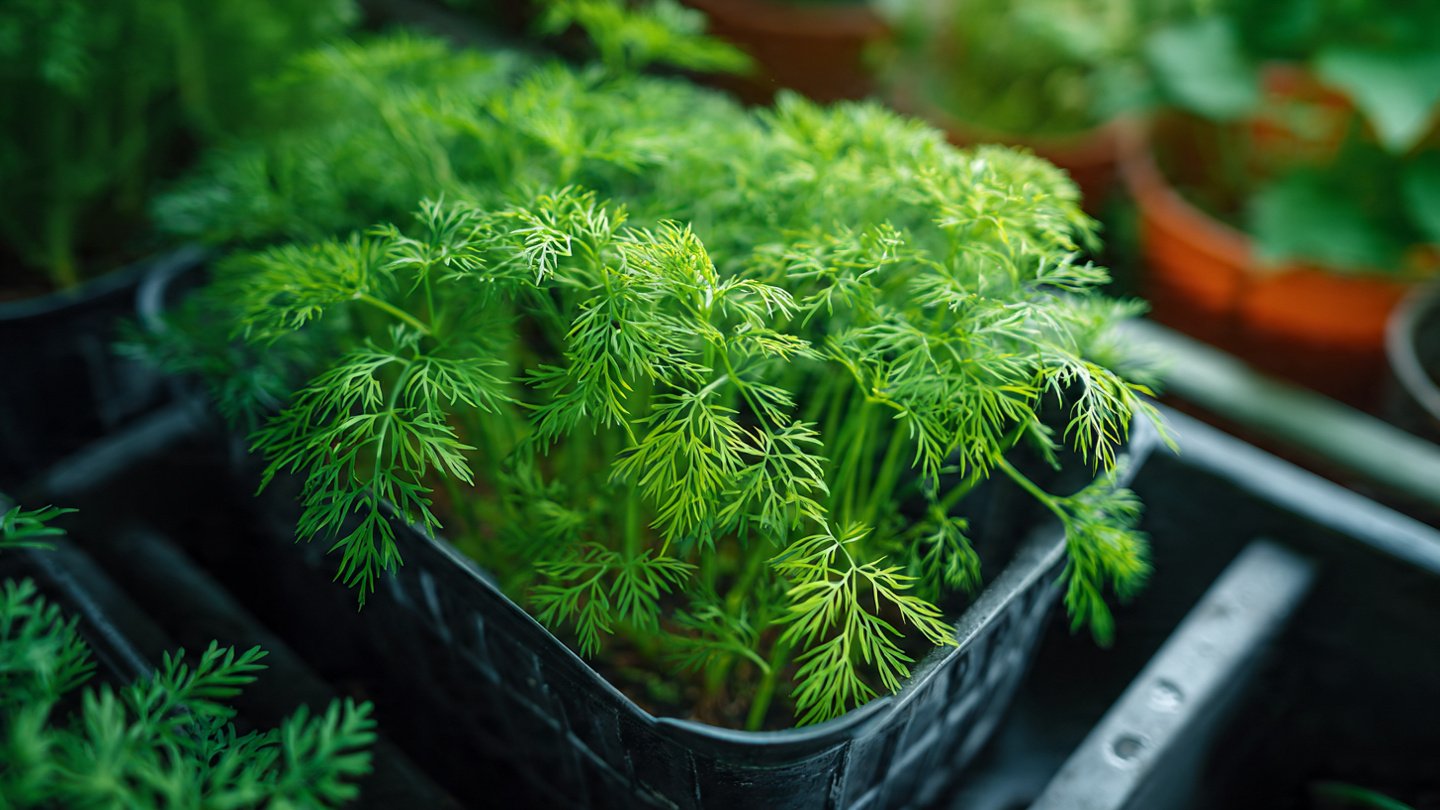
Dill (Anethum graveolens) is a versatile herb known for its aromatic leaves and seeds, widely used in culinary dishes, pickling, and traditional medicine. Growing dill in containers offers an excellent opportunity for gardeners with limited space or those wanting fresh herbs at their fingertips. To ensure healthy dill leaves, it’s essential to understand its growth requirements and provide the right care. Here’s a comprehensive guide on how to grow healthy dill leaves using container gardening techniques.
1. Why Grow Dill in Containers?
Container gardening allows you to grow dill regardless of your outdoor space. Whether you have a balcony, patio, or kitchen windowsill, containers give you control over soil quality, moisture levels, and exposure to sunlight. Growing dill in containers also helps prevent pests and diseases commonly found in garden beds and allows you to move plants easily to optimal growing spots.
2. Choosing the Right Container
Selecting an appropriate container is the first crucial step for healthy dill growth. Dill has a long taproot, so containers should be deep enough to accommodate its root system.
- Size: Choose a container at least 12 inches (30 cm) deep and 12 inches wide. Larger pots allow the plant to grow robustly.
- Material: Containers made of plastic, clay, or ceramic work well. Ensure they have adequate drainage holes to prevent waterlogging.
- Drainage: Proper drainage is critical to avoid root rot. Consider placing a layer of gravel or small stones at the bottom to improve drainage.
3. Selecting the Right Soil
Dill thrives in well-draining soil with a slightly acidic to neutral pH (6.0 to 7.0). You can use a high-quality potting mix enhanced with organic matter to create an ideal environment for your dill.
- Avoid heavy garden soil as it may compact and hinder root growth.
- A blend of peat moss, compost, and perlite or vermiculite provides good aeration and moisture retention.
- Adding a slow-release organic fertilizer at planting will supply essential nutrients.
4. Planting Dill Seeds
Growing dill from seeds is straightforward and highly rewarding. Follow these steps for successful planting:
- Timing: Start sowing dill seeds in spring after the last frost. You can also grow dill indoors year-round near a sunny window.
- Seed preparation: Dill seeds benefit from soaking for 24 hours before planting to speed up germination.
- Sowing: Plant seeds about 1/4 inch deep in the soil. Space seeds 10-12 inches apart if planting multiple seeds in one container.
- Watering: Keep the soil consistently moist but not soggy during germination, which usually takes 7-14 days.
- Thinning: Once seedlings emerge, thin them to maintain proper spacing and encourage healthy growth.
5. Placement and Light Requirements
Dill requires full sunlight for at least 6 hours a day to develop strong, flavorful leaves.
- Sunlight: Place your container in a sunny spot such as a south or west-facing balcony or windowsill.
- Artificial light: If sufficient natural light is unavailable indoors, supplement with grow lights for 12-16 hours daily.
6. Watering Practices
Consistent watering is vital for healthy dill.
- Moisture: Soil should be kept evenly moist but not waterlogged. Overwatering or allowing the soil to dry out completely can stress the plant.
- Frequency: Water when the top inch of soil feels dry to the touch.
- Method: Water at the base rather than overhead to prevent fungal diseases on the leaves.
7. Fertilizing Dill Plants
Dill benefits from regular feeding to promote lush, vigorous foliage.
- Use a balanced liquid fertilizer diluted to half strength every 3-4 weeks during the growing season.
- Alternatively, apply organic fertilizers like compost tea or fish emulsion.
- Avoid over-fertilizing, which can cause excessive foliage with less flavor.
8. Pruning and Harvesting Tips
Pruning encourages bushier growth and prevents the plant from becoming leggy.
- Pinch off the tips of the main stems when the plant reaches 8-10 inches tall to promote branching.
- Harvest leaves regularly by snipping off portions from the outside stems, leaving enough growth for continued development.
- Avoid harvesting more than one-third of the plant at once to maintain health.
- For a continuous supply, stagger planting every 2-3 weeks.
9. Managing Pests and Diseases
Though dill is relatively pest-resistant, container-grown plants can face challenges:
- Aphids: Watch for small, soft-bodied insects on leaves and treat with insecticidal soap or neem oil.
- Fungal diseases: Ensure good air circulation and avoid overhead watering to prevent powdery mildew or leaf spots.
- Slugs and snails: Use natural barriers or traps to protect young plants.
10. Supporting Dill Growth
Since dill can grow tall and thin, providing support helps prevent the plant from falling over.
- Use stakes or small cages gently placed around the plant.
- Tie stems loosely to support structures as needed.
11. Overwintering Dill
Dill is an annual herb but can be grown indoors during winter:
- Transfer containers inside before the first frost.
- Provide adequate light and reduce watering frequency slightly.
- Alternatively, harvest seeds in late summer to replant the following spring.
12. Common Problems and Solutions
- Leggy growth: Insufficient light causes tall, weak plants. Move to a sunnier location or add grow lights.
- Slow germination: Soak seeds before planting and ensure soil temperature is around 60-70°F (15-21°C).
- Wilting: Check watering practices and soil drainage. Improve drainage or reduce watering if soggy.
Conclusion
Growing healthy dill leaves in containers is simple with the right care and attention. By choosing the right container and soil, providing adequate light and water, and managing pests, you can enjoy fresh, aromatic dill all season long. Container gardening allows you to bring this wonderful herb close to your cooking space, enhancing your meals with homegrown flavor. Follow these essential tips, and you’ll have a thriving dill plant ready to garnish your dishes anytime.
If you want, I can also provide a summary or quick growing checklist for easy reference. Would you like that?