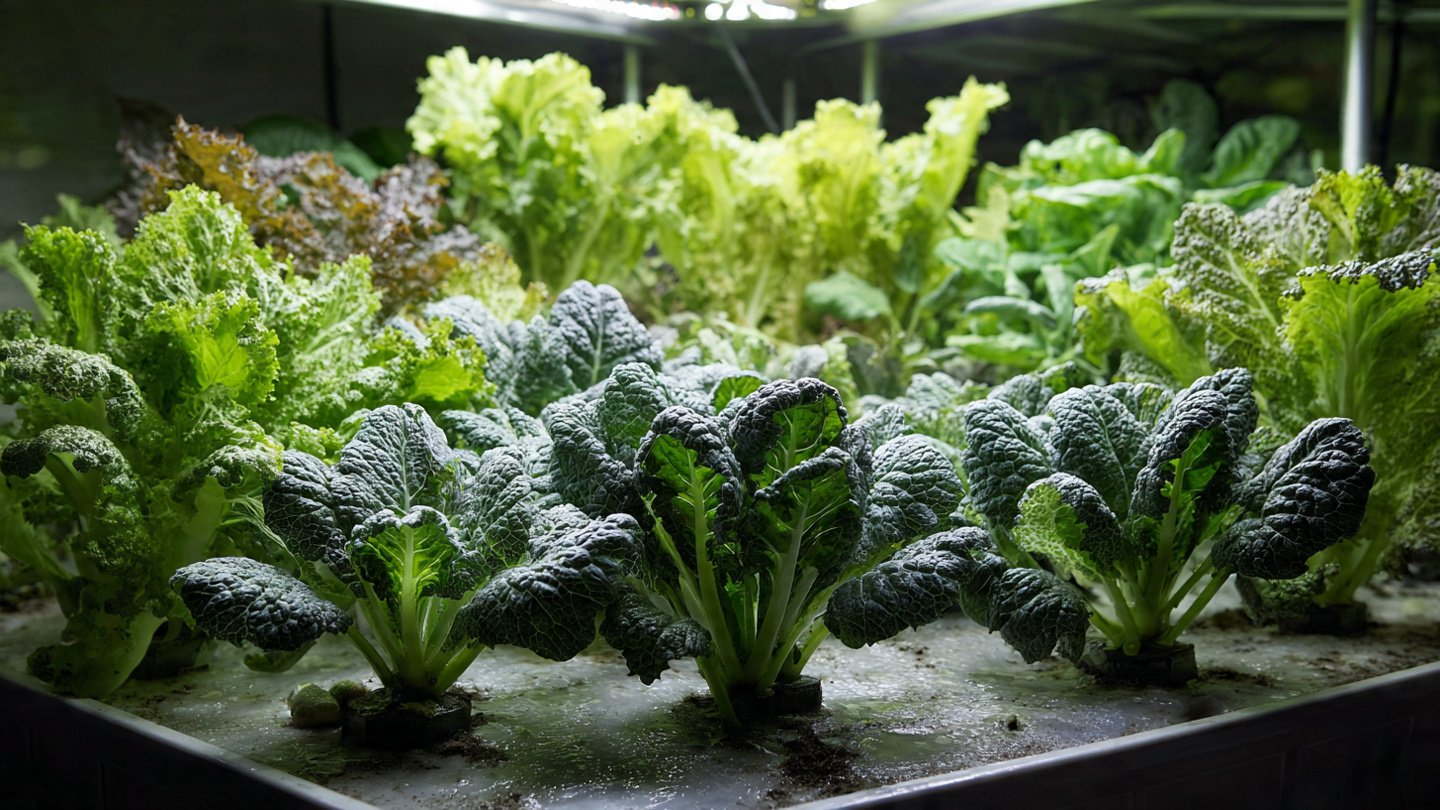
Growing a mixed greens garden indoors is an excellent way to enjoy fresh, nutrient-dense vegetables without needing a green thumb or an outdoor space. Whether you want to enhance your cooking with fresh herbs and salad greens or simply enjoy the therapeutic nature of gardening, mixed greens are a fantastic choice. This guide will walk you through the steps to successfully cultivate your indoor mixed greens garden, including the selection of greens, the best growing conditions, suitable containers, and soil requirements.
Understanding Mixed Greens
Before diving into the cultivation process, it’s important to understand what mixed greens are. Mixed greens typically consist of a variety of leafy vegetables, such as:
- Lettuce: Butterhead, romaine, and leaf lettuces.
- Spinach: Rich in iron and vitamins.
- Kale: A nutrient powerhouse packed with antioxidants.
- Arugula: Known for its peppery flavor.
- Swiss Chard: Colorful and delicious.
- Mustard Greens: Slightly spicy, offering a delightful twist.
Each variety has its own unique flavor and nutritional profile, allowing for a diverse harvest that can enhance your meals.
Choosing the Right Location
Lighting Conditions
Light is one of the most crucial factors when growing any type of plant indoors. Mixed greens typically require around 12-16 hours of light per day. Here are some options for providing adequate light:
-
Natural Light: If you have a south or west-facing window, you can maximize natural sunlight. Rotate your pots every few days to ensure even growth.
-
Grow Lights: If natural light is insufficient or inconsistent, consider using grow lights. LED grow lights are energy-efficient and mimic the sunlight spectrum required for optimal growth. Hang them about 2-4 inches above the plants, adjusting as they grow.
Temperature and Humidity
Most greens thrive in a temperature range of 65-70°F (18-21°C). If your home is particularly warm, consider placing a small fan near your plants or using a humidity tray to maintain hydration levels. Humidity levels between 40-60% are optimal for indoor growing.
Selecting Containers
The choice of container can greatly impact the success of your indoor garden. Here are some tips for selecting the right pots:
-
Size: Choose containers that are at least 6-12 inches deep. This gives the roots enough room to grow and prevents overcrowding.
-
Drainage: Ensure your pots have drainage holes to prevent waterlogging, which can lead to root rot.
-
Material: While plastic pots are lightweight and cost-effective, terracotta pots offer better breathability for the soil. Consider your preferences and the look you want for your indoor space.
-
Grouping: If space allows, group containers together. This can create a mini-garden look and help retain humidity.
Soil Requirements
The soil you choose can make a significant difference in the health and productivity of your mixed greens. Here are some key considerations:
-
Quality: Use high-quality potting soil designed for indoor plants. This type will retain moisture while providing good drainage.
-
Organic Matter: Consider mixing in compost or well-rotted manure. This enriches the soil, providing essential nutrients and improving its structure.
-
pH Level: Mixed greens typically prefer a slightly acidic to neutral soil pH (around 6.0 to 7.0). You can purchase a pH test kit to ensure your soil fits within this range.
-
Aeration: To promote healthy root growth, you may want to incorporate perlite or vermiculite into your soil mix, which improves drainage and aeration.
Planting Seeds
Timing
The ideal time for sowing mixed greens indoors depends on your local climate and how often you want a fresh harvest. Generally, you can plant mixed greens indoors at any time of the year. However, consider staggering your planting every couple of weeks for continuous harvests.
Sowing Seeds
-
Preparation: Fill your containers with moistened potting soil, leaving about an inch of space at the top. Lightly tamp the soil down for stability.
-
Spacing: Scatter seeds according to the package directions, typically 1-2 inches apart. You can also create small furrows for larger seeds.
-
Covering: Lightly cover the seeds with a fine layer of soil. Generally, seeds should be planted at a depth of ⅛ to ¼ inch, depending on the variety.
-
Watering: Gently water the soil using a spray bottle or a watering can with a fine spout. Avoid soaking to prevent seeds from washing away.
-
Labeling: Don’t forget to label your containers with the date of planting and the types of greens you’ve sown.
Care and Maintenance
Once your seeds are sown, proper care and maintenance are crucial for a successful indoor garden.
Watering
-
Frequency: Water when the top inch of soil feels dry. Be careful not to overwater, as this can lead to mold and root rot.
-
Technique: Water from the base if possible, allowing the plants to absorb moisture without getting their leaves wet.
Fertilization
Mixed greens can benefit from additional nutrients throughout their growth cycle. Here’s how to fertilize effectively:
-
Liquid Fertilizer: After 2-3 weeks of growth, start providing a balanced, water-soluble fertilizer every couple of weeks. Look for a fertilizer with equal parts nitrogen, phosphorus, and potassium (e.g., 10-10-10).
-
Organic Options: Consider using fish emulsion or seaweed extract as a gentle organic option.
Pest Control
Indoor plants can still attract pests. Keep an eye on your plants for common indoor pests like aphids, spider mites, and fungus gnats.
-
Preventive Measures: Regularly inspect your mixed greens, especially under the leaves. Keeping the growing area clean can help deter pests.
-
Natural Remedies: If you notice pests, spray your plants with a mix of water and mild soap, or introduce beneficial insects like ladybugs if feasible.
Harvesting Your Greens
One of the most rewarding parts of growing your mixed greens is harvesting them. Timing your harvest is essential for maximizing flavor and nutrition.
Timing
-
Cut-and-Come-Again: For many mixed greens like lettuce and spinach, you can practice the cut-and-come-again method. This method allows you to cut the outer leaves while leaving the inner leaves to continue growing. Harvest when the leaves are about 4-6 inches long.
-
Regular Checks: Regularly check your plants and harvest leaves regularly. This encourages new growth and prevents plants from bolting (producing flowers and seeds).
How to Harvest
-
Use Clean Tools: Always harvest with clean scissors or garden shears to avoid introducing disease.
-
Cutting Technique: For cut-and-come-again greens, cut just above the leaf nodes. For fully mature plants, remove the entire plant if desired.
-
Post-Harvest Care: Rinse the harvested greens gently under cold water, then dry them using a salad spinner or by patting them with a towel.
Enjoying Your Harvest
Once you’ve successfully harvested your mixed greens, the fun doesn’t stop! There are countless ways to use your fresh greens:
- Salads: Toss mixed greens in vinaigrette for a refreshing salad.
- Smoothies: Blend greens with fruits for a nutrient-packed smoothie.
- Stir-fries: Add greens to stir-fries or sautéed dishes for added flavor.
- Sandwiches and Wraps: Use fresh greens as a base for your sandwiches.
Conclusion
Growing a mixed greens garden indoors is not only rewarding but also a sustainable way to incorporate fresh, healthy greens into your diet. By following these simple tips—selecting the right location, containers, and soil, understanding care and maintenance, and enjoying your harvest—you can ensure success. Whether you are an experienced gardener or a beginner, indoor gardening can be a fulfilling hobby that provides fresh produce year-round. Get started today and watch your indoor garden thrive!