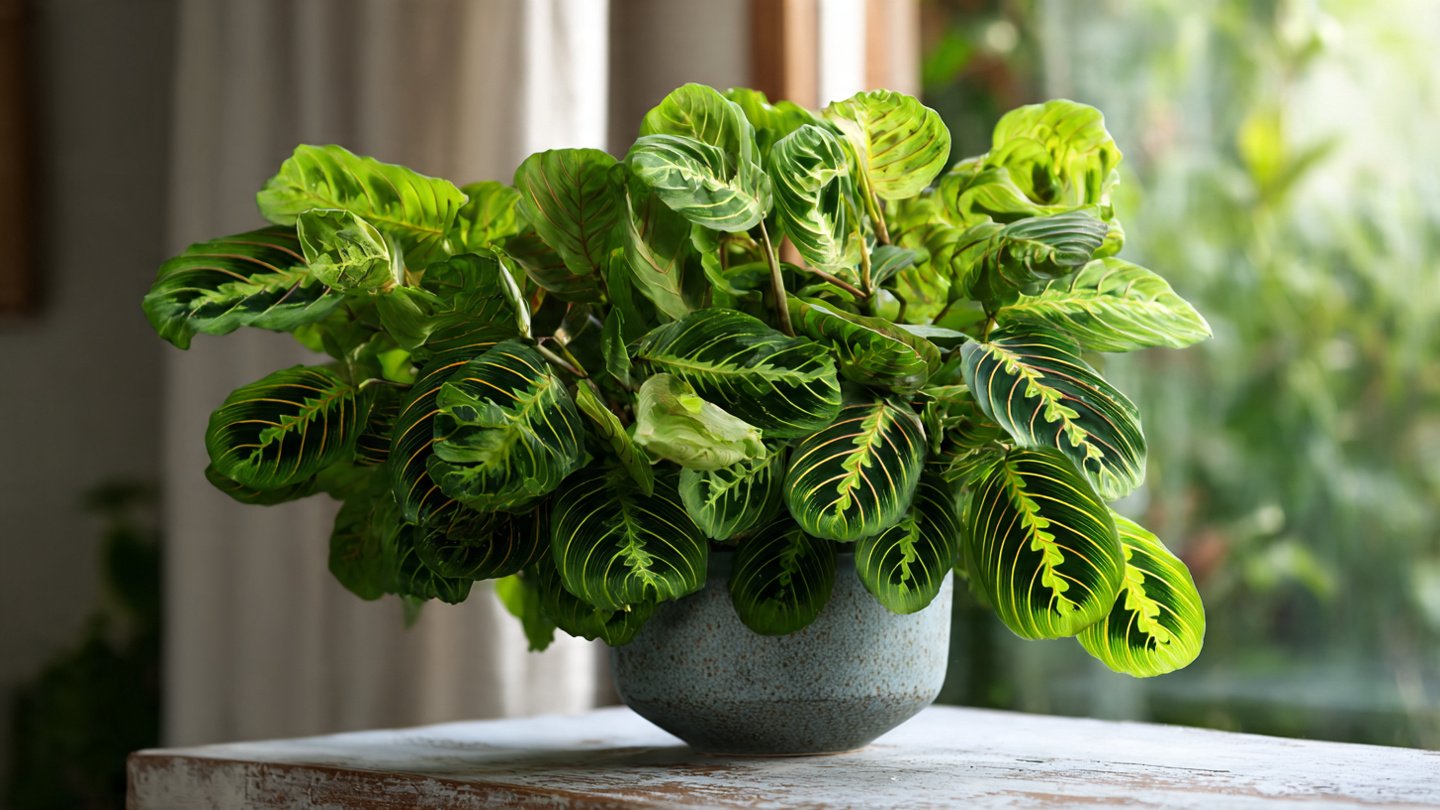
The prayer plant, scientifically known as Maranta leuconeura, is a beautiful houseplant renowned for its striking foliage and unique growth habits. With its vibrant leaves that fold up at night, resembling a pair of hands in prayer, this plant is not just visually stunning but also brings a touch of elegance to any indoor space. If you’re interested in growing a bushy prayer plant and want to ensure it thrives, you’ve come to the right place. This article will guide you through the essential steps for cultivation, care, and propagation for achieving stunning lush foliage.
Understanding the Prayer Plant
Before delving into the methods of growing a bushy prayer plant, it’s important to understand its natural habitat and what makes it unique. Originally hailing from the tropical forests of Brazil, the prayer plant thrives in warm, humid environments with dappled sunlight filtering through the canopy above. They have oval-shaped leaves adorned with intricate patterns and beautiful coloration, typically featuring green hues with shades of red or purple.
Characteristics of the Prayer Plant
-
Foliage: The main attraction of the prayer plant is its foliage, characterized by a lush green color and peacock-like markings, which can vary based on the variety.
-
Growth Habit: This plant is a low-growing perennial that typically reaches a height of about 12 inches. It is a creeping plant, meaning it can spread out when given the right conditions.
-
Unique Movement: The phenomenon of the leaves folding together at night and opening in the daytime is a result of the plant’s circadian rhythm.
Growing Conditions for Bushy Prayer Plants
To achieve the coveted bushy appearance, understanding the growing conditions is vital. Here are the primary factors to consider:
1. Light Requirements
Prayer plants prefer bright, indirect light. Direct sunlight can scorch their sensitive leaves, while too little light can stunt growth and reduce leaf vibrancy. The ideal location is near an east-facing window or a spot that receives dappled sunlight.
Tips:
- Rotate the Plant: To ensure even growth, rotate your prayer plant occasionally so that all sides receive light.
- Use Sheer Curtains: If placing your plant in direct sunlight, use sheer curtains to filter the light.
2. Temperature and Humidity
Prayer plants thrive in warm, humid conditions. Aim for temperatures between 65°F and 80°F (18°C to 27°C) and humidity levels above 50%. Dry air can lead to browning leaf edges and stunted growth.
Tips:
- Humidity Trays: Place the pot on a tray filled with pebbles and water to increase humidity.
- Misting: Regularly misting the leaves can help maintain humidity levels, especially during dry winter months.
3. Soil Requirements
The right soil mix can make a significant difference in the health of your prayer plant. Opt for a well-draining potting mix rich in organic matter.
Recommended Soil Mix:
- 50% potting soil
- 30% peat moss
- 20% perlite or coarse sand
This combination ensures excellent drainage while retaining moisture, providing ideal conditions for root health.
4. Watering Practices
Prayer plants prefer consistently moist soil but do not tolerate standing water. Overwatering can lead to root rot, while underwatering can cause wilting.
Tips:
- Check Soil Moisture: Before watering, check the top inch of the soil. If it’s dry, it’s time to water.
- Watering Technique: Water the plant thoroughly until water drains from the bottom, then empty any excess from the saucer to prevent standing water.
Fertilization for Lush Foliage
Regular feeding can enhance the growth and vibrancy of your prayer plant. During the growing season (spring and summer), use a balanced liquid fertilizer diluted to half strength every 4-6 weeks.
Tips for Fertilization:
- During Dormancy: In fall and winter, reduce or stop fertilizing as the plant enters dormancy.
- Monitor Leaf Colors: Yellowing leaves may indicate a need for nutrients, while dark green leaves usually signal adequate feeding.
Pruning and Shaping for a Bushy Plant
One of the keys to achieving a bushy prayer plant is proper pruning and shaping. Regularly trimming the plant encourages bushier growth by promoting lateral branching.
Pruning Tips:
- Timing: The best time to prune is during the growing season when the plant is actively producing new growth.
- Cutting Technique: Use clean, sharp scissors to make clean cuts. Trim above a leaf node to encourage new growth from that point.
- Remove Dead or Yellowing Leaves: This not only improves aesthetics but also directs the plant’s energy to healthier leaves.
Propagating the Prayer Plant
Propagation is an excellent way to create multiple plants from your existing prayer plant, increasing bushiness in your display. The two most common propagation methods are by division and stem cuttings.
1. Division Method
This is the easiest method for the prayer plant.
- Remove from Pot: Carefully take the plant out of its pot, ensuring you disturb the roots as little as possible.
- Divide the Root Ball: Gently separate the roots into two or more sections, ensuring that each division has healthy roots and leaves.
- Replant: Plant the divisions in separate pots with fresh potting mix and water thoroughly.
2. Stem Cutting Method
This method is ideal for creating new plants but requires a bit more attention.
- Select a Healthy Stem: Choose a stem with at least two or three leaves.
- Cut: Using clean scissors, cut below a node where a leaf is attached.
- Rooting: Place the cutting in a glass of water or directly into moistened soil. If using water, change it regularly to prevent stagnation.
- Transplanting: Once roots develop (about 2-3 inches long), transplant into soil.
Troubleshooting Common Issues
Even with the best care, problems can arise. Here are common issues you might encounter with your prayer plant and how to address them.
1. Leaf Browning or Curling
This could be due to low humidity or underwatering. Ensure your plant is in a humid environment and check soil moisture levels.
2. Leggy Growth
If your prayer plant is stretching towards the light source, it may not be receiving adequate light. Move it closer to a light source or provide supplemental grow lights.
3. Pests
Common pests that can affect prayer plants include spider mites, aphids, and mealybugs. Regularly inspecting the leaves and treating any infestations with insecticidal soap or neem oil can help keep your plant healthy.
Final Thoughts
Growing a bushy prayer plant is an incredibly rewarding endeavor that can beautify any indoor space. By understanding its unique needs—such as light, humidity, soil, water, and fertilization—you can create an ideal environment for lush foliage. Regular pruning and effective propagation methods will further enhance your plant’s bushiness.
Embrace the journey of nurturing your prayer plant; with love and care, it will transform into a stunning centerpiece that captures the essence of the tropics right in your home. Whether you’re a seasoned plant parent or a novice, following these comprehensive steps will lead to a thriving, vibrant prayer plant that you can be proud of. Happy planting!