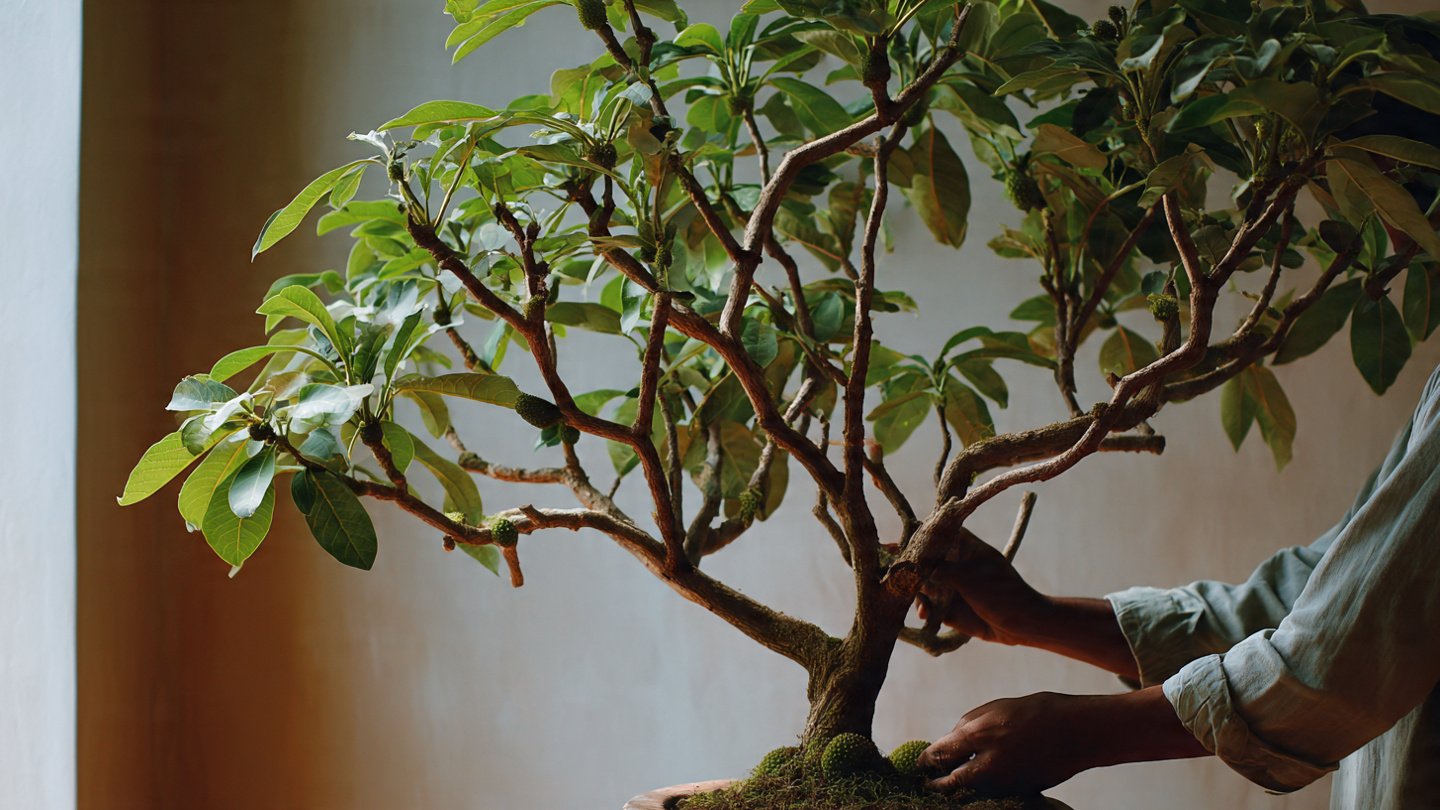
Chikoo, also known as sapodilla, is a delightful tropical fruit tree that brings a touch of nature into our homes. Renowned for its sweet, brown flesh and unique flavor, the chikoo is gaining popularity as a houseplant. As an indoor fruit tree, it requires specific care and cultivation practices for successful growth. This guide will provide you with everything you need to know about caring for your chikoo indoors, ensuring that your tree thrives and yields sweet fruit.
Understanding Chikoo
Chikoo (Manilkara zapota) is native to Central America and the Caribbean but is also grown in tropical and subtropical regions worldwide. The tree can grow up to 30 feet in the wild, but when cultivated as a houseplant, it can be pruned to a manageable size. Chikoo trees produce beautiful green leaves and small, fragrant flowers, followed by egg-shaped fruits that mature in 5 to 6 months.
Why Grow Chikoo Indoors?
- Aesthetic Appeal: The chikoo tree has a lush, vibrant appearance that can enhance indoor spaces.
- Homegrown Produce: There’s nothing quite like enjoying fresh fruit from your garden, and chikoo is both delicious and nutritious.
- Air Purification: Indoor plants improve air quality by absorbing toxins and providing oxygen.
- Satisfaction: Successfully growing your own chikoo tree can be immensely rewarding and fulfilling.
Selecting the Right Container
Potting Your Chikoo Tree
Choosing the right container is essential for the growth and health of your chikoo tree. Here are some tips:
- Size: Select a pot that is at least 12-14 inches deep and wide. This gives the roots enough room to grow.
- Material: Terracotta pots are excellent as they allow excess moisture to evaporate, preventing root rot.
- Drainage: Ensure the pot has drainage holes to allow excess water to escape, which is crucial for root health.
Potting Mix
A well-draining potting mix is crucial for chikoo. A combination of the following components works well:
- Commercial Potting Soil: Use a high-quality potting mix as the base.
- Coco Coir or Peat Moss: These components improve aeration and moisture retention.
- Perlite or Sand: To enhance drainage, mix in perlite or coarse sand.
Site Selection and Lighting
Light Requirements
Chikoo trees thrive in bright, indirect sunlight. Here are some tips for placing your tree:
- Location: Place your chikoo tree near a south or west-facing window where it can receive ample natural light.
- Rotation: Rotate the pot every few weeks to ensure even growth on all sides.
Artificial Lights
If natural light is limited, consider using grow lights. A full-spectrum LED grow light can provide the necessary light spectrum for healthy growth. Aim for 12-14 hours of light per day.
Watering Your Chikoo Tree
Best Practices for Watering
Watering is one of the most critical aspects of chikoo tree care. Follow these guidelines to keep your tree hydrated:
- Frequency: Allow the top inch of soil to dry out before watering again. This typically translates to watering every 1-2 weeks.
- Watering Method: Water thoroughly until excess water drains from the bottom, ensuring the roots are adequately hydrated.
- Signs of Overwatering: Yellowing leaves and mold development are indicators that the tree is receiving too much water.
Humidity Requirements
Chikoo trees thrive in humid conditions. To maintain adequate humidity:
- Misting: Mist the leaves regularly, especially during dry conditions.
- Humidity Tray: Place a shallow tray filled with water and pebbles beneath the pot to increase humidity around the plant.
Fertilizing Your Chikoo Tree
Nutrient Needs
Fertilization is vital for the healthy growth of your chikoo tree. A balanced fertilizer promotes vigorous growth and fruit production. Here’s a simple guide:
- Fertilizer Type: Use a slow-release organic fertilizer or a balanced liquid fertilizer.
- Frequency: Fertilize during the growing season (spring and summer) every 4-6 weeks, reducing frequency in the fall and winter.
Signs of Nutrient Deficiencies
Keep an eye out for signs of nutrient deficiencies:
- Yellow Leaves: May indicate nitrogen deficiency.
- Poor Growth: Lack of phosphorus or potassium may lead to stunted growth.
- Leaf Drop: This can be a sign of either over-fertilization or a lack of essential minerals.
Pruning Your Chikoo Tree
Importance of Pruning
Pruning helps maintain a manageable size and encourages healthy branching. It also promotes better air circulation and sunlight penetration.
When and How to Prune
- Timing: Prune in late winter or early spring, just before the growing season starts.
- Technique: Use clean, sharp pruning shears. Remove any dead or unhealthy branches and trim excessive growth to shape the tree.
Structural Pruning
For young chikoo trees, structural pruning helps create a solid foundation for growth. Aim to establish a clear central leader with several well-spaced branches.
Pest and Disease Management
Common Pests
Indoor chikoo trees can suffer from pest infestations. Be on the lookout for:
- Aphids: Small green insects that can affect the growth of the plant.
- Spider Mites: Tiny pests that create webbing and suck plant juices.
- Mealybugs: White, fluffy insects that may appear on the stems or leaf axils.
Pest Control Methods
- Manual Removal: For small infestations, remove pests manually or wash them off with a gentle spray of water.
- Insecticidal Soap: Use non-toxic insecticidal soap to treat infestations.
- Neem Oil: A natural pesticide, neem oil can be effective against various pests.
Fungal and Bacterial Diseases
Watch for signs of disease such as discolored leaves or a mushy trunk. To prevent these issues:
- Proper Watering: Avoid overwatering and ensure good drainage.
- Good Air Circulation: Space plants adequately and provide airflow.
Pollination for Fruit Production
Hand Pollination Techniques
If you wish to enjoy fresh chikoo fruit indoors, understanding pollination is key:
- Flowers: Chikoo trees produce both male and female flowers. If they’re not in close proximity, hand pollination may be necessary.
- How to Pollinate: Use a small brush to transfer pollen from male flowers to female flowers, ideally in the early morning when flowers are most receptive.
Patience is Key
Remember that it takes several years (typically 3-5) for a chikoo tree to produce fruit. Be patient, and with the right conditions, your efforts will eventually yield sweet rewards.
Harvesting Chikoo Fruit
Timing the Harvest
Chikoo fruits are typically ready for harvest when they are fully brown and slightly soft to the touch.
- Checking Ripeness: Gently squeeze the fruit; if it yields slightly, it’s time to harvest.
- Harvesting Technique: Cut the fruit from the branch with a pair of scissors to prevent damage.
Post-Harvest Care
Once harvested, allow the fruit to ripen at room temperature for a few days if they’re not yet soft.
Conclusion
Caring for a chikoo tree indoors can be a fulfilling journey that combines horticultural knowledge with the joy of homegrown fruits. By providing the right environment, a balanced watering and feeding regime, and attentive pest management, your chikoo tree can thrive and produce delicious fruit for you to enjoy for years to come. Whether you’re a seasoned gardener or a beginner, this guide equips you with the essential knowledge needed to nurture your chikoo tree into a productive and beautiful addition to your indoor space. Happy gardening!