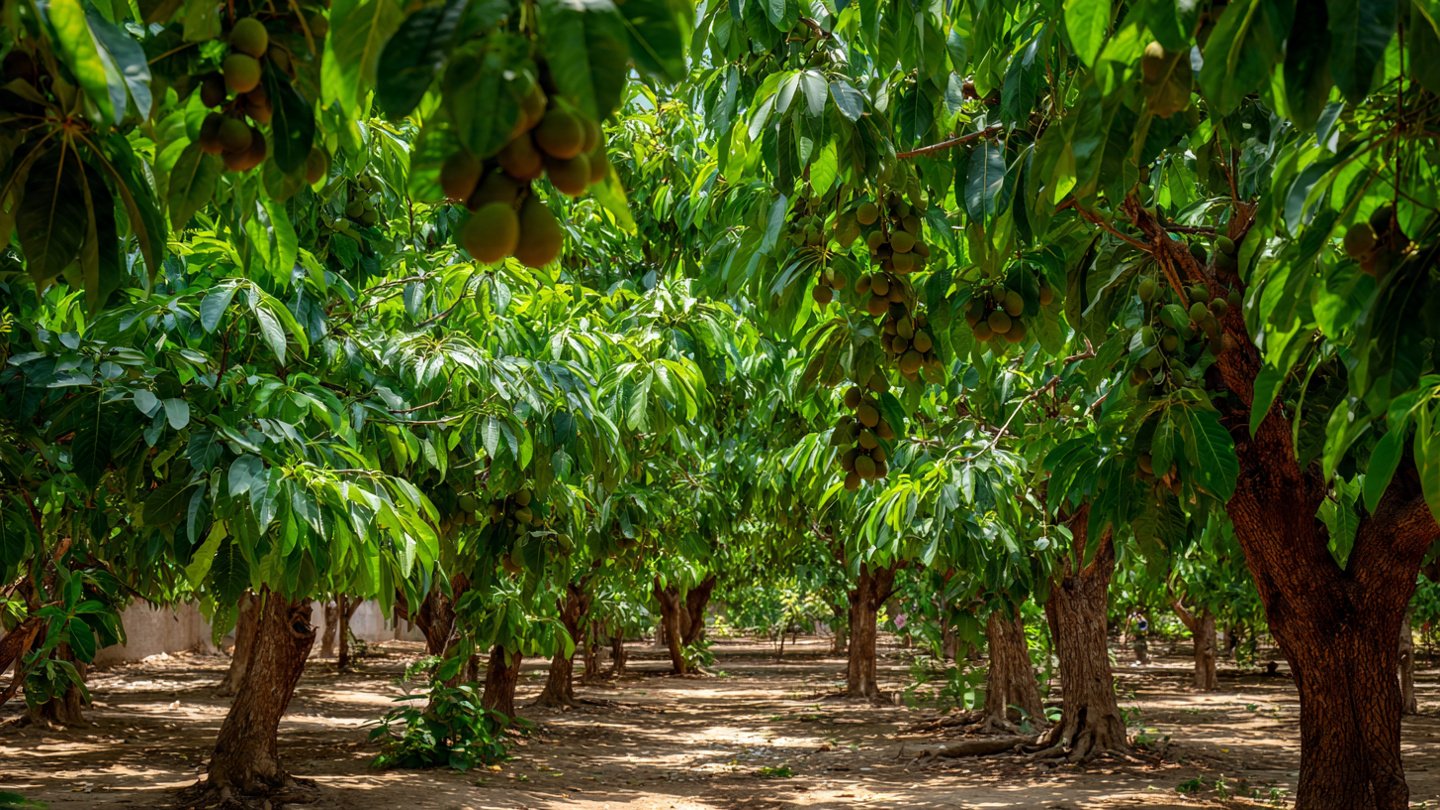
How to Accelerate Chikoo Growth: The Ultimate Trick for Thriving Trees
Chikoo, or sapodilla (Manilkara zapota), is a tropical fruit tree prized for its sweet, malty flavor and nutritional benefits. Native to Central America and the Caribbean, chikoo can thrive in warm climates and is relatively easy to cultivate. However, many growers encounter challenges during the growth process. This article will explore techniques and practices to accelerate chikoo growth, ensuring you have robust and fruitful trees.
Understanding Chikoo Trees
Chikoo trees are evergreen and can grow up to 30 feet tall, though most homeowners prefer to keep them smaller for easier harvest. They have a thick, durable trunk and dense, dark green foliage. The tree produces small, bell-shaped flowers that eventually develop into brown, fleshy fruits.
Ideal Growing Conditions
To accelerate chikoo growth, it’s essential first to comprehend its ideal growing conditions:
-
Climate: Chikoo thrives in warm temperatures ranging from 60°F to 100°F (15°C to 38°C). It is not frost-tolerant, so ensure the tree is planted in a warm microclimate if you live in cooler areas.
-
Soil: Well-drained, sandy loam or clay soil is preferred. The soil pH should be between 6.0 and 7.5. Heavy clay or overly sandy soils may hinder growth.
-
Sunlight: Chikoo trees require full sun for optimal growth. Ensure they receive at least 6 to 8 hours of direct sunlight each day.
-
Watering: While chikoo trees are drought-tolerant, regular watering during the initial growth phase is crucial. Avoid overwatering, as this can lead to root rot.
Preparing the Planting Site
Site preparation is a critical step for ensuring robust growth:
-
Choose the Right Location: Select a site with adequate sunlight and protection from strong winds.
-
Soil Testing: Conduct a soil test to determine pH and nutrient levels. Amend the soil as necessary by adding organic matter and nutrients.
-
Digging the Hole: Create a planting hole that is twice as wide and deep as the root ball of the chikoo sapling. This facilitates better root expansion.
Selecting the Right Variety
Choosing the right variety of chikoo can significantly affect growth. There are several popular varieties:
- Alphonse: Known for its large size and sweet flavor.
- Black Seeded: Renowned for its resistance to disease and high yield.
- White Seeded: Typically produces smaller fruit but has a rich taste.
Select a variety suitable for your local climate and your taste preferences.
Planting Techniques
Proper planting techniques can boost your tree’s chances of thriving:
-
Planting Depth: Make sure the tree is planted at the same depth it was growing in the nursery. Planting too deep can suffocate and kill the roots.
-
Spacing: Depending on the variety, space chikoo trees 20 to 30 feet apart to allow for adequate air circulation.
Nuanced Care Techniques
Beyond standard care, employing some nuanced techniques can promote accelerated growth:
1. Water Management
-
Drip Irrigation: Implement drip irrigation systems for efficient water use. This ensures water reaches the root zone without over-saturating the soil.
-
Mulching: Using organic mulch can help retain soil moisture and regulate temperature. Wood chips or straw are excellent options.
2. Fertilization Strategies
-
Organic Fertilizers: Introduce organic fertilizers such as compost or well-rotted manure. These improve soil structure and enhance nutrient availability.
-
Balanced Fertilizers: Utilize a balanced NPK (Nitrogen, Phosphorus, Potassium) fertilizer during the growing season to provide necessary nutrients.
-
Timing: Fertilize twice a year—once at the beginning of the growing season and again in mid-summer.
3. Pruning Techniques
-
Initial Pruning: Prune young trees to establish a strong structure. Focus on removing weak or crowded branches.
-
Maintenance Pruning: Annually remove dead or damaged growth and shape the tree to improve air circulation and light penetration.
Pest and Disease Management
Pest and disease issues can hinder growth. Monitoring and management are essential:
-
Common Pests: Aphids, fruit flies, and scale insects may attack chikoo trees. Use organic insecticides or neem oil for control.
-
Diseases: Fungal diseases such as root rot can be detrimental. Ensure good drainage and avoid overwatering to reduce risk. Treat infections promptly with appropriate fungicides.
Integrating Companion Planting
Companion planting can enhance chikoo growth by improving soil quality and protecting against pests:
-
Legumes: Plant legumes like peanuts or beans nearby. They fix nitrogen in the soil, enriching it for chikoo.
-
Herbs: Basil and marigold can deter harmful insects and invite beneficial pollinators to the area.
Seasonal Considerations
Understanding seasonal variations is critical for effective chikoo cultivation:
-
Rainy Season: Prepare for increased water availability. Monitor for fungal diseases, as the humidity can create a conducive environment for pathogens.
-
Dry Season: Ensure consistent watering. This is also the time to manage pests actively, as dry conditions can exacerbate infestations.
Harvesting Techniques
Once your chikoo tree matures, knowing when and how to harvest is equally important for sustained growth:
-
Timing: Harvest fruits when they turn from green to brown, becoming slightly soft to the touch. Picking too early can result in poor flavor.
-
Handling: Handle fruits gently to prevent bruises, which can lead to quicker spoilage.
Long-term Care
Accelerating growth is just the beginning. Long-term care is crucial for sustained fruit production:
-
Periodic Soil Testing: Conduct soil tests every few years to monitor nutrient levels and adjust your fertilization practices accordingly.
-
Regular Maintenance: Stay on top of pruning, pest management, and irrigation to ensure your tree remains healthy and productive.
-
Record Keeping: Keep a detailed log of your chikoo tree’s growth, pest incidents, and fertilization schedules. This information will be invaluable for future seasons.
Conclusion
With the right approach, cultivating chikoo trees can be a rewarding endeavor. By ensuring optimal growing conditions, employing effective care techniques, integrating sustainable practices, and maintaining vigilance against pests and diseases, you can significantly accelerate the growth of your chikoo trees.
Whether you’re a first-time grower or a seasoned horticulturist, following these guidelines will help you achieve a thriving chikoo garden that yields abundant and delicious fruits for years to come. Embrace the journey, learn from your experiences, and enjoy the sweet rewards of your labor!