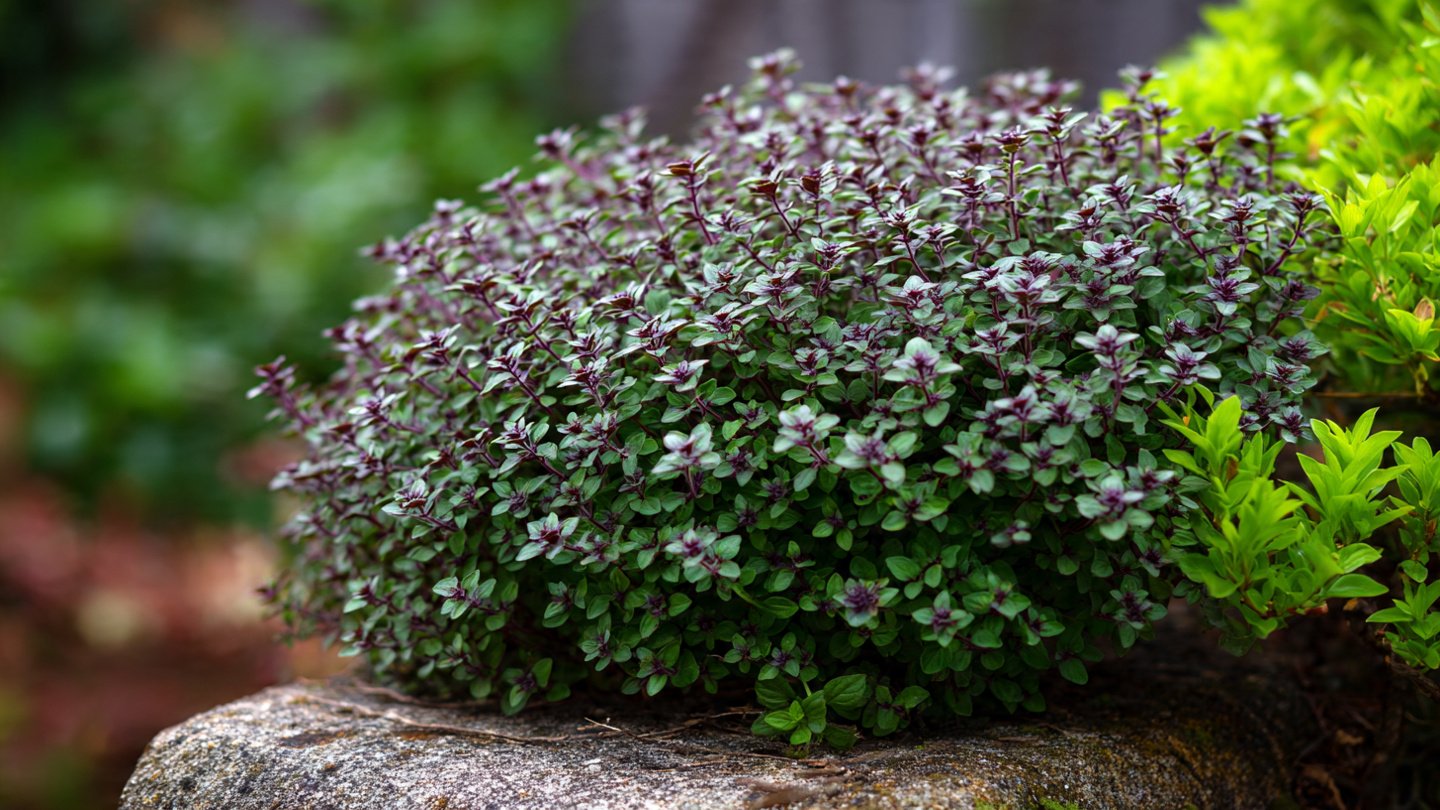
Growing your own oregano can be a rewarding addition to your garden, not only because of its culinary uses but also due to its aromatic foliage and attractive appearance. Oregano (Origanum vulgare) is a perennial herb in the mint family that thrives in various conditions, making it an excellent choice for both novice and experienced gardeners. In this article, we will explore how to grow a bushy oregano plant, the ideal growing conditions, care tips, common pests and diseases, and how to harvest and use this versatile herb.
Understanding Oregano
Before we dive into the cultivation aspects, it’s essential to understand what oregano is and why it has become a staple in kitchens around the world. Oregano is native to Europe, particularly in the Mediterranean region. Known for its robust flavor, it complements a variety of dishes, including pizzas, pasta sauces, and grilled vegetables. Beyond its culinary uses, oregano has been used in traditional medicine for its antibacterial, antioxidant, and anti-inflammatory properties.
Choosing the Right Variety
While there are numerous varieties of oregano, the two most commonly grown types are:
- Greek Oregano (Origanum vulgare subsp. hirtum): Renowned for its intense flavor and aroma, Greek oregano is often preferred for cooking.
- Italian Oregano (Origanum x majoricum): This variety has a milder flavor and is commonly used in Italian dishes. It is a hybrid of sweet marjoram and wild oregano.
When choosing a variety, consider your culinary needs and the climate conditions of your growing area.
Growing Conditions for Oregano
Sunlight
Oregano thrives in full sun, requiring at least 6-8 hours of direct sunlight each day. If you’re growing it indoors, place it near a south-facing window to maximize exposure. If you’re in a region with particularly hot summers, some afternoon shade may be beneficial to prevent leaf scorch.
Soil
Oregano prefers well-drained soil with a pH level between 6.0 and 8.0. Sandy or loamy soils are ideal as they allow for good drainage, a crucial factor for preventing root rot. If you have clay soil, consider amending it with organic matter like compost or peat moss to improve drainage.
Watering
Oregano plants are drought-tolerant once established, but young plants require regular watering to establish a robust root system. Water deeply but infrequently, allowing the top inch of soil to dry out between waterings. Overwatering can lead to root rot, so always check for moisture before watering.
Temperature and Hardiness
Oregano is a hardy plant that can thrive in USDA hardiness zones 4-9. It prefers warm temperatures, typically thriving in the range of 70-85°F (21-29°C). If you live in a colder climate, you can grow oregano in pots and bring them indoors during winter.
Planting Oregano
Seeds or Transplants
You can grow oregano from seeds, cuttings, or purchased plants. Starting from seeds can take longer, as oregano seeds have a low germination rate and require 7-14 days to sprout. If you choose this method, start seeds indoors about 8-10 weeks before the last frost date in your area.
- Seed Starting: Use cell trays filled with seed-starting mix, lightly cover the seeds with soil, and keep them moist. Once seedlings develop a few true leaves, transplant them into larger pots or your garden.
- Cuttings: Take cuttings from an established oregano plant. Place the cuttings in water until roots develop, then transplant them into soil.
- Purchasing Plants: Buying young plants from a nursery can save time and ensures you start with healthy, established plants.
Spacing
When planting oregano in your garden, space plants about 12-18 inches apart to allow for bushy growth. If you’re using pots, choose containers that are at least 12 inches in diameter to give the roots plenty of room to expand.
Caring for Oregano
Fertilization
Oregano doesn’t require heavy fertilizing. You can apply a balanced, slow-release fertilizer in early spring to encourage growth. If your soil is rich in organic matter, additional fertilizers may not be necessary. Using compost as a top dressing can provide valuable nutrients over time.
Pruning
Regular pruning helps promote bushy growth and prevents the plant from becoming leggy. When your oregano plant reaches about 6 inches in height, pinch back the tips of the plant to encourage branching. Continue to prune throughout the growing season, especially before the flowering stage.
Managing Pests and Diseases
Oregano is relatively pest-resistant, but it can still be affected by aphids, spider mites, and whiteflies. If you notice an infestation, treat the plants with insecticidal soap or neem oil.
Common diseases include gray mold and root rot, typically caused by excessive moisture. Ensure proper spacing for air circulation and avoid overwatering to minimize these risks.
Harvesting Oregano
Harvesting oregano is one of the most satisfying aspects of growing this herb. You can begin harvesting once the plant is about 6 inches tall, but the best flavor develops just before the flowers open.
Timing
For the best flavor, harvest oregano in the morning after the dew has dried but before the heat of the day causes the essential oils to dissipate. Cut stems about one-third from the top to encourage new growth.
Drying and Storing
After harvesting, you can use fresh oregano immediately, store it in the refrigerator, or dry it for later use. To air dry oregano:
- Gather stems and tie them together.
- Hang them upside down in a cool, dark place with good air circulation.
- Once the leaves are dry and crumble easily, store them in airtight containers away from light.
Common Mistakes to Avoid
- Overwatering: Since oregano is drought-tolerant, overwatering can lead to root rot. Always check the soil moisture before watering.
- Poor Light Conditions: Inadequate sunlight will lead to leggy plants. Ensure your oregano receives enough light.
- Neglecting Pruning: Regularly pinch back your oregano to encourage bushier growth and prevent flowering too early.
- Ignoring Soil Quality: Oregano thrives in well-drained soil. Avoid heavy, compacted soils that retain too much moisture.
Conclusion
Growing a bushy oregano plant in your garden is not only feasible but also rewarding. With the right care, attention to growing conditions, and proper harvesting techniques, you can enjoy a bountiful supply of fresh oregano throughout the growing season. Whether you use it to enhance your culinary creations or to enjoy its aromatic presence in your garden, oregano is a versatile herb that deserves a spot in any home gardener’s repertoire. So gather your gardening tools, choose your oregano variety, and get started on this fragrant journey!