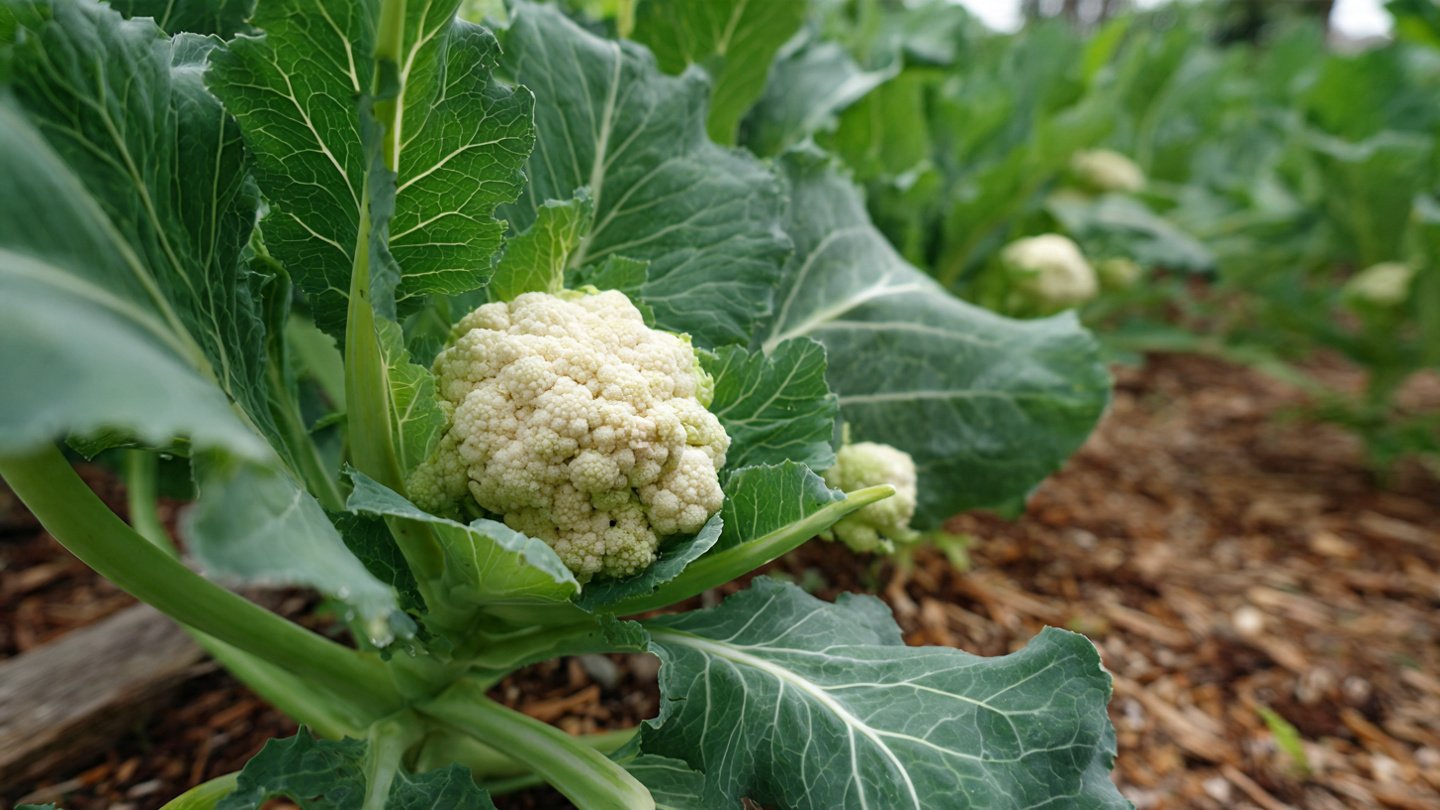
Growing your own mini cauliflower can be a rewarding and nutritious endeavor. Not only are these compact vegetables a delicious addition to many dishes, but they are also packed with vitamins and minerals. This guide will walk you through everything you need to know to cultivate mini cauliflower successfully in your backyard garden, using simple techniques that even novice home growers can manage.
Understanding Mini Cauliflower
What is Mini Cauliflower?
Mini cauliflower, also known as baby cauliflower, is a compact version of traditional cauliflower. These smaller cultivars are perfect for small gardens or even containers, making them an ideal choice for urban gardeners. They generally mature faster than standard cauliflower, typically within 55 to 75 days.
Nutritional Benefits
Mini cauliflower is rich in nutrients like vitamin C, K, and B6, fiber, and antioxidants, making it a healthy choice for any meal. They can be enjoyed raw, steamed, roasted, or stir-fried.
Preparing for Growth
1. Choosing the Right Variety
When selecting the right mini cauliflower variety, consider your climate and growing conditions. Some popular varieties include:
- Chefs’ Choice: A hybrid that produces small heads with a delicate flavor.
- Mini White: Fast-growing, with small white heads perfect for a compact garden.
- Fioretto: A unique option that grows elongated heads and offers a slightly sweeter taste.
2. Inspecting Your Garden Space
Mini cauliflower prefers a sunny location with well-drained soil. Ensure that:
- Sunlight: The area receives at least 6 hours of direct sunlight daily.
- Soil: The soil should be rich in organic matter and slightly acidic to neutral (pH 6.0 – 7.0).
3. Soil Preparation
To prepare your soil for mini cauliflower:
- Test Soil pH: Use a home soil testing kit to determine pH levels. Adjust as needed with lime (to raise pH) or sulfur (to lower pH).
- Enrich with Compost: Mix in well-rotted compost or aged manure to boost fertility and soil structure. You can also add a balanced slow-release fertilizer.
- Tilling: Loosen the soil to a depth of 12 inches to facilitate root growth.
Planting Mini Cauliflower
1. Timing
Timing is crucial when planting mini cauliflower. Aim to sow seeds in cooler months:
- Spring Planting: Start seeds indoors 4 to 6 weeks before the last frost date. Transplant when seedlings are around 4 inches tall.
- Fall Planting: Direct sow seeds in late summer for a fall harvest.
2. Seed Selection
Choose high-quality seeds from a reputable source. Look for seeds that are disease-resistant and suitable for your growing zone.
3. Sowing Seeds
Indoor Seed Starting
- Containers: Use seed trays or small pots, ensuring good drainage.
- Planting Depth: Sow seeds 1/4 to 1/2 inch deep, and cover lightly with soil.
- Watering: Keep the soil moist but not soggy.
Outdoor Planting
- Spacing: Plant seeds 12-18 inches apart in rows spaced 18 inches apart. If transplanting, ensure there’s enough space for the mature size of the plant.
- Watering: Water the area thoroughly after planting.
Care and Maintenance
1. Watering
Mini cauliflower requires consistent moisture, especially during dry spells. Water the plants:
- Frequency: Once or twice a week, depending on rainfall.
- Method: Water at the base of the plant to prevent leaf rot. Aim for deep watering (about 1 inch per week).
2. Fertilization
Fertilize your mini cauliflower throughout the growing season to encourage healthy growth. A balanced organic fertilizer or a liquid seaweed fertilizer every few weeks can be effective.
3. Weed Control
Weeds can compete with your mini cauliflower for nutrients and water. Use:
- Mulching: Apply a layer of organic mulch around your plants to suppress weeds and retain moisture.
- Manual Weeding: Regularly check for weeds and remove them by hand to avoid disturbing the roots.
4. Pest and Disease Management
Cauliflower can be affected by various pests and diseases:
- Common Pests: Look out for aphids, cabbage worms, and flea beetles. Use row covers or organic insecticidal soap to control pests.
- Diseases: Avoid fungal diseases by ensuring good air circulation and not overwatering. Rotating crops yearly helps prevent soil-borne diseases.
Harvesting Mini Cauliflower
1. Maturity
Your mini cauliflower is ready to harvest:
- Head Size: When heads reach about 3 to 5 inches in diameter.
- Color: Look for a firm, white head without any yellowing.
2. Harvesting Technique
Use a sharp knife to cut the head from the stem, leaving some foliage intact to protect the developing side shoots for additional harvests.
3. Post-Harvest Care
After harvesting, refrigerate mini cauliflower immediately. They can typically last up to a week in good conditions.
Simple Techniques for Successful Growth
1. Companion Planting
Consider planting companion crops that can benefit your mini cauliflower:
- Good Companions: Plants such as basil, garlic, and marigolds can repel pests.
- Avoid Planting: Keep them away from strawberries and other cruciferous vegetables, which may compete for nutrients.
2. Succession Planting
To have a continuous harvest, practice succession planting. Space out your sowing every few weeks to ensure that you have mini cauliflowers at different growth stages.
3. Seasonal Adjustments
In warmer climates, provide shade during the hottest parts of the day to prevent bolting (premature flowering) in mini cauliflower.
Troubleshooting Common Issues
1. Yellow Leaves
Yellowing of leaves can indicate nutrient deficiencies or overwatering. Ensure you are fertilizing appropriately and check soil drainage.
2. Small Heads
If the heads are small, consider factors like overcrowding, insufficient watering, or nutrient deficiency. Thin plants out if necessary and reevaluate care practices.
3. Bolting
Bolting (going to seed) can occur in hot weather. If temperatures spike, consider using shade cloth to moderate heat exposure.
FAQs
1. How long does it take for mini cauliflower to grow?
Mini cauliflower typically takes between 55 to 75 days from seed to harvest, depending on the variety and growing conditions.
2. Can I grow mini cauliflower in containers?
Yes, mini cauliflower can thrive in containers. Choose a pot that is at least 12-14 inches deep and provide adequate drainage and nutrients.
3. What pests should I watch for?
Common pests include aphids, cabbage worms, and flea beetles. Monitor your plants regularly and use organic pest control methods.
4. What is the best time to plant mini cauliflower?
It’s best to plant mini cauliflower in spring or fall, depending on your climate. Aim for cooler temperatures, as mini cauliflower does not fare well in extreme heat.
5. How do I store mini cauliflower?
Store harvested mini cauliflower in the refrigerator, ideally in a perforated plastic bag, for up to a week for the freshest taste and texture.
6. Can mini cauliflower be grown year-round?
In mild climates, mini cauliflower can be grown year-round. In colder regions, it’s best to grow them in spring and fall to avoid summer heat.
Conclusion
Cultivating mini cauliflower in your backyard garden is a straightforward process that can yield delicious and nutritious results. By following these simple techniques and understanding the needs of your plants, you can enjoy fresh mini cauliflowers right from your garden. Happy gardening!