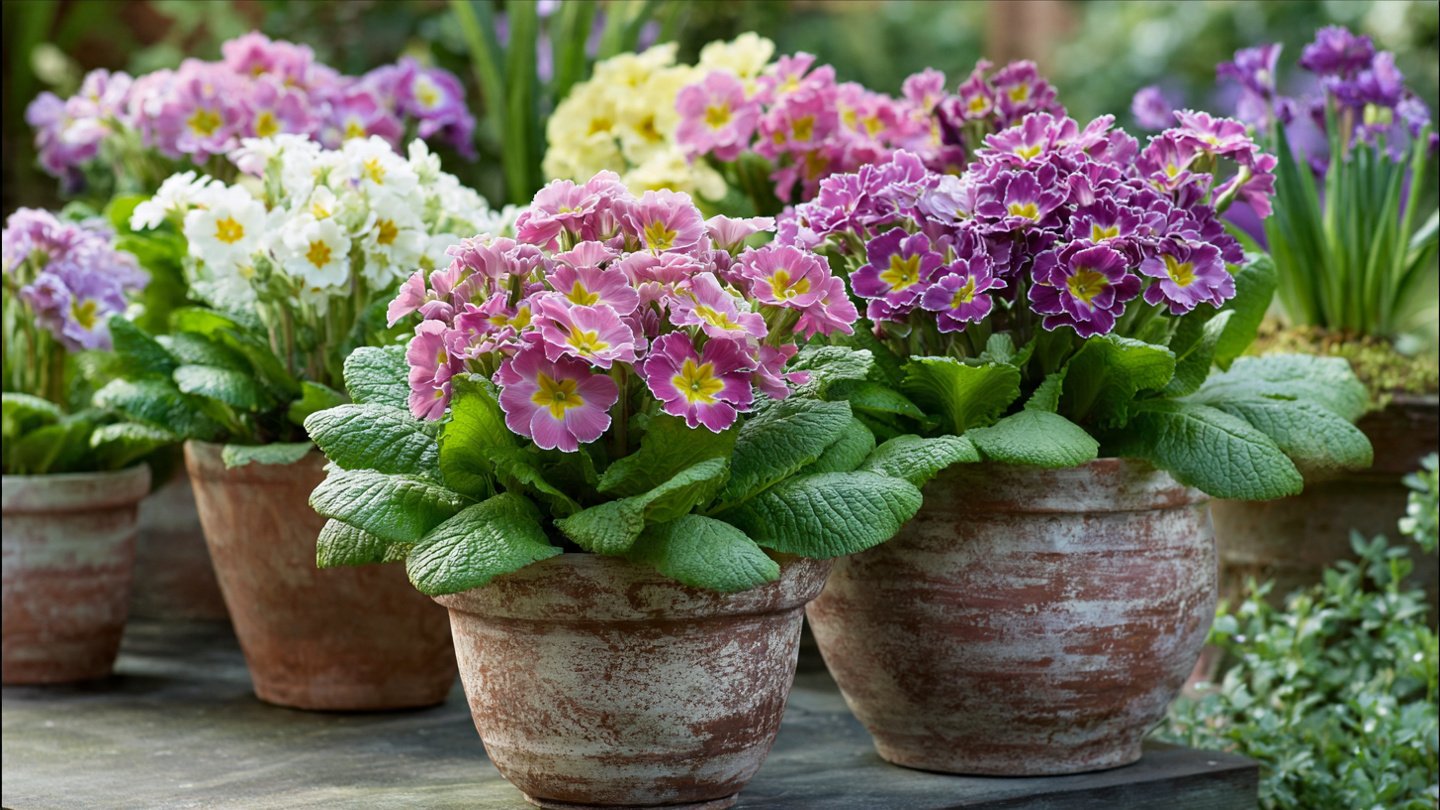
Primula, commonly known as primrose, is a stunning plant that brings vibrant colors and a touch of elegance to any garden. These striking perennial flowers bloom in early spring, making them a favorite among gardeners seeking to usher in the season of renewal. While many associate primula with garden beds and borders, growing them in pots offers versatility and makes it easier to manage their growth conditions. This comprehensive guide will delve into all aspects of effectively growing primula in pots, ensuring your home garden flourishes with these beautiful blooms.
Understanding Primula: An Overview
Botanical Classification
Primula belongs to the Primulaceae family and includes over 400 species—ranging from small woodland varieties to showy hybrids. They are native to a variety of climates, from cold alpine regions to warm, temperate zones. Notable species include Primula vulgaris (common primrose) and Primula acaulis (cowslip).
Growth Requirements
Primula thrives in well-draining soil and enjoys a mix of sunlight and shade, depending on the variety. They typically prefer cooler temperatures and can tolerate frost, making them excellent candidates for early spring plantings.
Selecting the Right Primula Variety
When choosing a primula for pots, consider the following popular varieties:
- Primula vulgaris: Known for its classic yellow flowers, this species is hardy and tolerates various conditions.
- Primula sieboldii: Featuring beautiful, frilled flowers in various colors, this species prefers slightly acidic soil.
- Primula auricula: With its thick, waxy leaves, this alpine variety is perfect for pot cultivation due to its compact growth habit.
- Hybrid Primroses: These hybrids offer a wide range of colors and forms, ideal for creating vibrant displays.
Choosing the Right Pot
Size Matters
Selecting the right pot size is critical to growing primula effectively. A pot that is 6-12 inches in diameter is generally suitable for most primula varieties. Ensure there is enough space for root development; overcrowded roots can lead to poor growth and disease.
Material Choices
Pots can be made from various materials, including:
- Terracotta: Excellent for drainage and temperature regulation but may dry out rapidly.
- Plastic: Lightweight and retains moisture well, but requires good drainage holes.
- Ceramic: Aesthetically pleasing, these can retain moisture but must have adequate drainage.
Drainage
Regardless of the pot material, ensure that it has drainage holes. Poor drainage can lead to root rot, a common issue when growing primula in pots.
Soil Preparation
Choosing the Right Soil Mix
Primula prefers well-draining, fertile soil. A mix of potting soil combined with perlite or sand can enhance drainage. Creating a soil mixture that is rich in organic matter, such as compost, can also support healthy growth.
Soil pH
Primula thrives in slightly acidic to neutral pH (around 6.0-7.0). Testing soil pH using a soil test kit can help you make necessary amendments.
Planting Primula in Pots
Timing
The best times to plant primula are in early spring or autumn. Planting in early spring allows the primula to establish roots before the warm summer months, while autumn planting enables the plant to take advantage of the cooler weather and periodic rainfall.
Planting Steps
- Prepare the Pot: Ensure that the pot has drainage holes. Place a layer of small stones or broken pots at the bottom to facilitate drainage.
- Fill with Soil: Add your pre-prepared soil mix, filling the pot to about 2 inches from the rim.
- Plant the Primula: Remove the primula from its nursery pot and gently loosen the roots. Place it in the center of the new pot and fill around it with soil, ensuring the crown of the plant is level with the soil surface.
- Water: Water the newly planted primula thoroughly, allowing for some drainage.
Care and Maintenance
Watering
Primula prefers consistent moisture but is susceptible to overwatering. Water when the top inch of soil feels dry to the touch. During hot spells, you may need to water more frequently.
Light Requirements
Most primula varieties enjoy partial shade to full sun. Observing the plant’s response to light conditions will help you find the ideal spot, but aim for at least four hours of indirect sunlight daily.
Fertilizing
Using a balanced, water-soluble fertilizer once a month can support vigorous growth and flowering. When fertilizing, dilute the solution to half strength to avoid overwhelming the plant.
Deadheading
Removing spent flowers encourages more blooms and prevents the plant from using energy on seed production. Simply pinch or cut off the faded flowers to promote a continuous blooming season.
Pruning
Light pruning can help maintain the shape and encourage bushy growth. Trim back any leggy or dead leaves in late spring or early summer after blooming.
Pests and Diseases
Primula can be susceptible to various pests, including aphids and slugs. Regularly inspecting the plants can help you catch infestations early. Natural repellents or insecticidal soap can be effective against pests.
Rotting due to overwatering or poor drainage can lead to diseases such as root rot. If you notice wilting despite adequate water, check the roots and soil moisture levels.
Collecting and Storing Seeds
If you’re interested in propagating your primula, allow some flowers to mature and go to seed. Collect seeds when the pods turn brown and dry, storing them in a cool, dry place until planting in early spring.
Creating Stunning Displays
Mixing with Other Plants
To create a beautiful display, consider mixing primula with other complementary plants. Varieties such as forget-me-nots, pansies, or even ornamental grasses can enhance the visual appeal of your pots.
Container Arrangements
Group pots of varying heights, colors, and textures to create visual interest. Use contrasting foliage and bloom colors for a vibrant display.
Seasonal Rotation
Primula can be part of a seasonal rotation in your home garden. After flowering, consider planting summer-blooming annuals or perennials in the same pots for year-round beauty.
FAQs
What is the best time to plant primula in pots?
The best time to plant primula in pots is in early spring or autumn when the temperatures are cooler.
Can primula tolerate full sun?
Most primula varieties prefer partial shade but can tolerate full sun, especially in cooler climates. Observe plant performance and adjust sunlight exposure as needed.
How often should I water primula in pots?
Water primula when the top inch of soil feels dry. This may vary based on the climate, but generally, weekly watering is a good starting point.
What type of fertilizer should I use for primula?
A balanced, water-soluble fertilizer diluted to half strength works well for primula. Apply once a month during the growing season.
Can I overwinter primula in pots?
Yes, primula can be overwintered in pots. If temperatures drop significantly, move them to a sheltered location or provide mulch for insulation.
Are there any specific pests to look out for when growing primula?
Common pests include aphids, slugs, and snails. Regular inspection and organic treatments can help manage infestations.
How do I know if my primula needs more light?
If your primula becomes leggy or produces fewer blooms, it may not be receiving enough light. Try moving it to a location with more indirect sunlight.
By following this ultimate guide, your primula in pots will thrive, adding color and vibrancy to your home garden. With the right care and conditions, you can enjoy an array of beautiful blooms that herald the arrival of spring while enhancing your outdoor aesthetic.