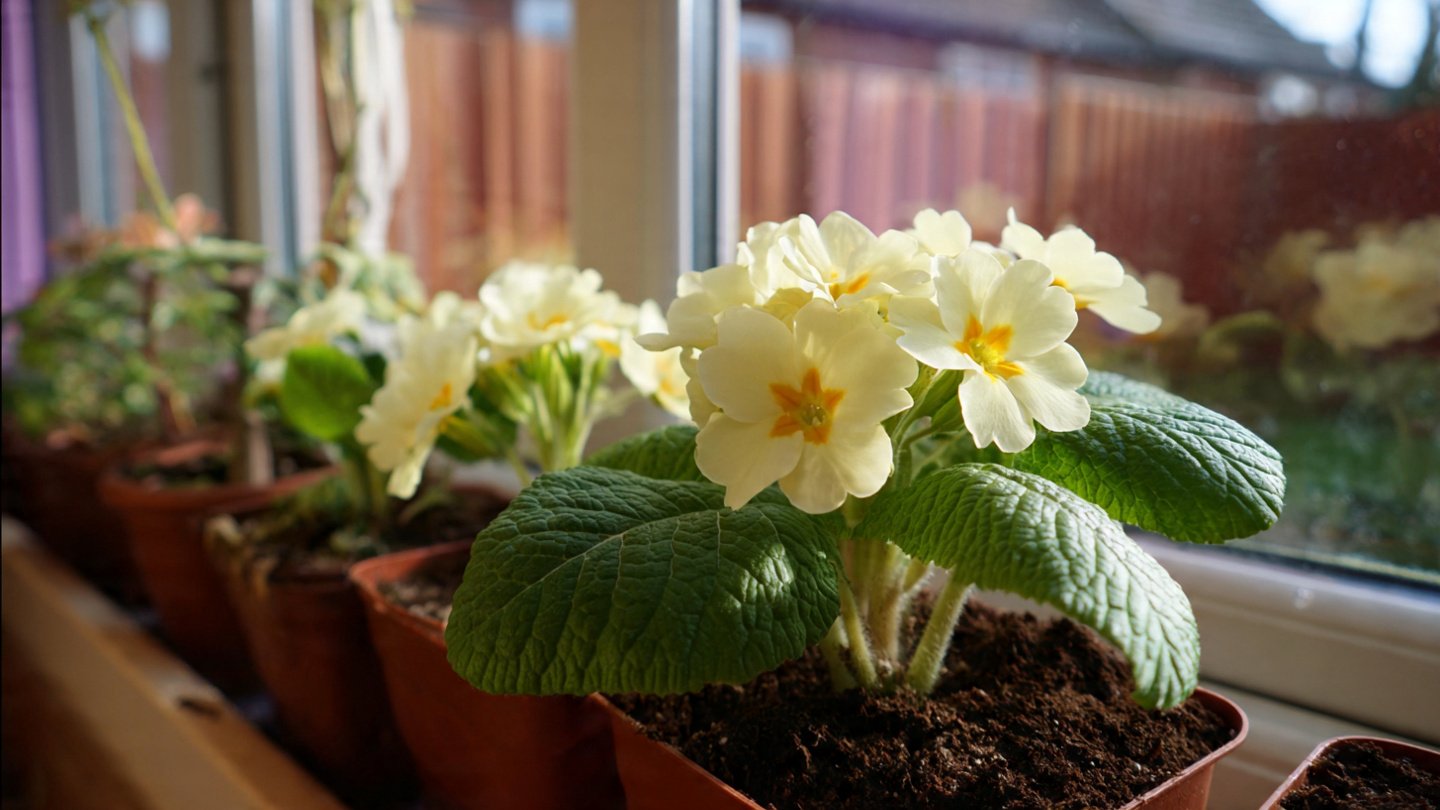
Primroses are enchanting flowers that bring a burst of color and life to any indoor space. With their vibrant blossoms and lush green foliage, these delicate plants can thrive indoors, offering beauty and charm year-round. This guide will walk you through everything you need to know about growing indoor primrose, from selecting the right varieties and understanding their growth conditions to tips on care, common pests, and troubleshooting.
1. Understanding Indoor Primroses
Primroses, or Primula, belong to the family Primulaceae and include around 500 species. Indoor varieties, like the popular Primula sinensis (Chinese primrose), are celebrated for their stunning flowers that bloom in various hues, including pink, purple, yellow, and white. As a home gardener, understanding the unique requirements of indoor primroses is essential for their success.
Types of Indoor Primroses
- Chinese Primrose (Primula sinensis): Known for its colorful blooms, it thrives in cooler temperatures and lower light conditions.
- Cowslip (Primula veris): This species has a more traditional look, with yellow flowers and a pleasant fragrance.
- Meadow Primrose (Primula elatior): With tall stems and clustered flowers, they add height and structure to your indoor garden.
2. Optimal Growing Conditions
Light Requirements
Indoor primroses thrive in bright, indirect sunlight. While they can tolerate lower light conditions, they prefer exposure to natural light for at least 6 hours a day. East-facing windows offer the ideal light, but if your space lacks adequate sunlight, consider using fluorescent grow lights.
Temperature and Humidity
Primroses prefer cooler temperatures, ideally between 60°F to 70°F (15°C to 21°C). Avoid exposing them to drafts, heat sources, or extreme temperature fluctuations. Humidity is crucial; primroses enjoy a relative humidity of around 40-60%. To increase humidity, consider using a humidity tray filled with pebbles and water, or mist the leaves daily.
Soil Requirements
A well-draining, lightweight soil mix is essential for successful growth. Use a potting mix formulated for houseplants or create your own by combining equal parts peat moss, vermiculite, and perlite. This ensures good aeration and drainage.
Watering
Proper watering is vital for the health of indoor primroses. Keep the soil consistently moist but not soggy. Water your plants thoroughly when the top inch of soil feels dry. Avoid getting water on the leaves, as this can lead to fungal issues.
3. Potting and Repotting
Choosing the Right Container
Select a pot with drainage holes to prevent standing water, which can lead to root rot. Opt for a size that allows some room for growth but isn’t excessively large.
Repotting
Repot your primrose every 1-2 years or when it outgrows its container. Spring is the ideal time for repotting, allowing the plant to establish itself during the growing season.
To repot:
- Gently remove the plant from its current pot, taking care to keep the root ball intact.
- Place it in a slightly larger pot with fresh potting mix.
- Water thoroughly and place it back in its light location.
4. Fertilizing Indoor Primroses
Indoor primroses benefit from regular feeding during the growing season (spring to early summer). Use a balanced, water-soluble fertilizer, diluted to half-strength, every 4-6 weeks. Reduce feeding during the fall and winter months when the plant is dormant.
5. Care and Maintenance
Pruning
Pruning is essential for maintaining the health and appearance of your primroses. Deadheading spent blooms encourages new growth and prolongs blooming. Use clean, sharp scissors or pruning shears to remove wilted flowers just above the first set of leaves.
Pest Management
Common pests that may threaten indoor primroses include aphids, spider mites, and mealybugs. Keep an eye out for signs of infestation, such as discolored leaves or webbing. Treatment options include:
- Neem Oil: A gentle pesticide that can control many pests without harming the plant.
- Insecticidal Soap: Apply as directed to affected areas until pests are eliminated.
- Leaf Cleaning: Regularly wipe leaves with a damp cloth to remove dust and deter pests.
Disease Prevention
Fungal diseases, like powdery mildew and root rot, can be common issues for primroses. To prevent disease:
- Ensure good air circulation around your plants.
- Avoid overwatering and allow the soil to dry slightly between waterings.
- Remove any yellowing or dead leaves promptly.
6. Propagation
Propagation of primroses is a rewarding venture. You can propagate through seeds, division, or leaf cuttings.
Seed Propagation
- Collect seeds from mature flowers when they dry out.
- Start them indoors in early spring in a seed-starting mix, barely covering them with soil.
- Keep the soil moist and provide indirect light. Seeds typically germinate within 2-3 weeks.
Division
This method works well for larger, established plants.
- Remove the primrose from its pot and gently separate the root ball into sections, ensuring each section has roots and leaves.
- Replant the divisions in new pots with fresh soil.
Leaf Cuttings
- Select healthy leaves and cut them in half.
- Place the cut edges in a damp potting mix.
- Cover with a plastic bag to create humidity and check moisture regularly. New roots should develop in a few weeks.
7. Troubleshooting Common Issues
Yellowing Leaves
Usually a sign of overwatering, yellowing leaves can also indicate nutrient deficiencies. Check the soil moisture and adjust watering accordingly. If the plant is root-bound, consider repotting.
Wilting Leaves
Wilting can be caused by underwatering or exposure to excessive heat. Make sure to check soil moisture levels and adjust your care routine as needed.
Lack of Blooms
If your primrose isn’t blooming, it may need more light or be due to insufficient feeding. Ensure it receives adequate sunlight and feed it with a balanced fertilizer.
8. Frequently Asked Questions (FAQs)
Q1: How often should I water my indoor primrose?
A: Water your primrose when the top inch of soil feels dry, typically every 5-7 days. Ensure proper drainage to avoid root rot.
Q2: Can I keep primroses indoors all year round?
A: Yes, indoor primroses can thrive year-round with proper care, including adequate light, humidity, and temperature.
Q3: Why are the leaves on my primrose turning brown?
A: Brown leaves may indicate under-watering, sunburn, or low humidity. Adjust your care accordingly to address the issue.
Q4: What type of fertilizer should I use for my primrose?
A: Use a balanced, water-soluble fertilizer, diluted to half-strength, every 4-6 weeks during the growing season (spring to early summer).
Q5: Can I propagate my primrose from cuttings?
A: Yes, primroses can be propagated from leaf cuttings by placing them in damp potting mix, covering them with a plastic bag until roots develop.
Conclusion
Growing indoor primrose can be a fulfilling experience, bringing joy and beauty to your home. With the right knowledge and care techniques, you can enjoy these lovely flowers for seasons to come. By following this guide, you’ll be well on your way to creating a thriving indoor garden filled with vibrant blooms, enhancing not only your living space but also your gardening skills. Happy gardening!