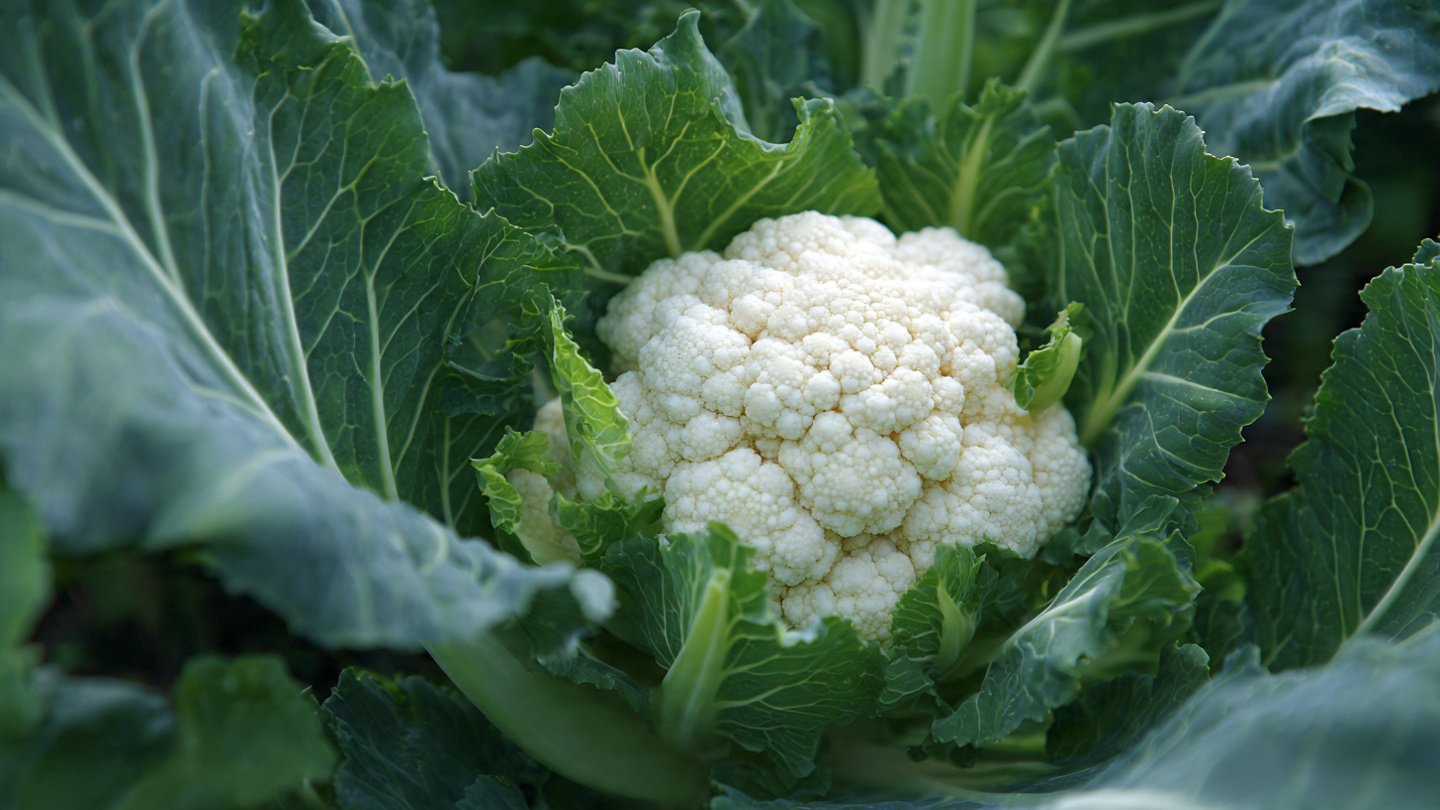
Cauliflower, known for its delicate flavor and impressive nutritional profile, is a popular choice among home gardeners. Among the various varieties, Snowball cauliflower stands out due to its compact growth habit, making it ideal for small spaces. Whether you’re new to gardening or experienced, this guide will help you navigate the intricacies of growing Snowball cauliflower compactly.
Understanding Snowball Cauliflower
Snowball cauliflower, scientifically known as Brassica oleracea var. botrytis, is renowned for its ability to produce round, white heads, or curds, with a smooth texture. The compact version is specifically bred to require less space while still delivering high yields. Unlike traditional varieties, Snowball cauliflower’s smaller footprint makes it a great option for container gardening or small plots.
Planning Your Garden
Choosing the Right Location
-
Sunlight Needs: Snowball cauliflower thrives in full sun, requiring at least 6–8 hours of direct sunlight per day. Select a location in your garden that receives ample sunlight, preferably with some protection from harsh afternoon rays.
-
Soil Requirements: Cauliflower prefers well-draining, fertile soil rich in organic matter. Aim for a soil pH between 6.0 and 7.0. Conduct a soil test if unsure about its nutrient levels.
-
Protection from Wind: A sheltered spot can help prevent damage from strong winds, which can break the delicate stalks.
Planning Your Space
If you’re limited on space, consider these options:
- Raised Beds: A raised bed can increase soil drainage and improve fertility.
- Containers: Use large containers (at least 10 inches deep) for growing Snowball cauliflower. This ensures the roots have enough space to grow.
- Square Foot Gardening: Maximize your planting area by using the square foot gardening method, allowing you to grow multiple plants in a small area.
Starting Seeds
When to Plant
- Direct Sowing: In regions with a mild climate, seeds can be sown directly into the garden in early spring. Ideal soil temperatures hover around 60°F to 70°F (15°C to 21°C).
- Transplanting: To get a head start, sow seeds indoors 6–8 weeks before the last expected frost date. Transplant seedlings outdoors after they have 2–3 true leaves.
Sow Seeds
- Seed Depth: Plant seeds about 1/4 to 1/2 inch deep.
- Spacing: If sowing directly, place seeds 12–18 inches apart, allowing room for the compact heads to form.
- Water: Gently water the soil after planting to ensure proper seed-to-soil contact.
Caring for Your Snowball Cauliflower
Watering
Maintaining consistent moisture is crucial for successful cauliflower growth:
- Frequency: Water plants deeply 1–2 times a week, ensuring the soil is damp but not waterlogged.
- Mulching: Apply a layer of mulch around your plants to retain moisture, regulate soil temperature, and suppress weeds.
Fertilizing
Cauliflower is a heavy feeder and will benefit from nutritious soil:
- Initial Fertilization: Incorporate a balanced fertilizer (10-10-10) into the soil before planting.
- Side Dressing: After plants have established and begun to grow, side-dress with nitrogen-rich fertilizer every 3–4 weeks to encourage leafy growth and curd development.
Pest and Disease Management
Snowball cauliflower can be susceptible to various pests and diseases:
- Common Pests: Watch out for aphids, caterpillars, and cabbage loopers. Handpick pests when possible and consider using insecticidal soap or neem oil as a treatment.
- Fungal Diseases: Proper spacing and air circulation can help prevent diseases like downy mildew or black rot. Avoid overhead watering to reduce leaf wetness.
Temperature Management
Snowball cauliflower prefers cool weather, thriving in temperatures around 60°F to 70°F (15°C to 21°C). If temperatures rise significantly:
- Shade Cloth: Use a shade cloth to shield plants from extreme sun during heatwaves.
- Row Covers: Lightweight row covers can provide additional insulation during cooler nights.
Harvesting Snowball Cauliflower
Once your Snowball cauliflower has developed a firm, white head (usually around 7–12 inches in diameter), it’s time to harvest:
- Check Size: Harvest when the curd is firm and compact, and before it begins to flower or develop a yellow tint.
- Cutting: Use a sharp knife to cut the stem about 1–2 inches below the curd. Try to leave a few leaves intact to protect the curd during storage.
Storing Your Harvest
After harvesting, store is crucial to maintain freshness:
- Refrigeration: Place harvested heads in a perforated plastic bag and store them in the crisper drawer of your refrigerator. They can typically last about a week.
- Freezing: For longer storage, blanch the cauliflower in boiling water for 3 minutes, then cool in ice water. Drain, package in airtight containers, and freeze.
FAQs About Growing Snowball Cauliflower Compact
1. How long does it take Snowball cauliflower to mature?
Snowball cauliflower typically takes about 70–90 days from seed to harvest, depending on growing conditions.
2. Can I grow Snowball cauliflower in pots?
Yes! Snowball cauliflower is well-suited for container gardening. Just ensure that your container is at least 10 inches deep.
3. What is the best time of year to plant Snowball cauliflower?
The best time to plant is in spring, about 2–4 weeks before the last frost date. In some regions, a second crop can be planted in late summer for a fall harvest.
4. How can I tell if my cauliflower is ready to harvest?
Harvest your cauliflower when the heads are firm, compact, and before they turn yellow. Typically, this is when they reach 7-12 inches in diameter.
5. What can I do if my cauliflower isn’t growing well?
If your cauliflower isn’t growing as expected, check for signs of nutrient deficiency, pest damage, or inadequate water. Adjust fertilization or watering practices as needed.
6. How do I prevent pests from damaging my cauliflower?
Regularly inspect plants and remove any visible pests. You can also use companion planting (such as planting marigolds nearby) or row covers to deter pests.
7. Is Snowball cauliflower suitable for beginners?
Absolutely! Snowball cauliflower’s compact size and straightforward care make it an excellent choice for beginner gardeners.
Conclusion
Growing Snowball cauliflower compactly is not only rewarding but also a delightful culinary experience. With proper planning, care, and harvesting techniques, even novice gardeners can enjoy a bountiful crop. Follow this guide to get started, and soon you’ll be savoring homegrown cauliflower in your kitchen!