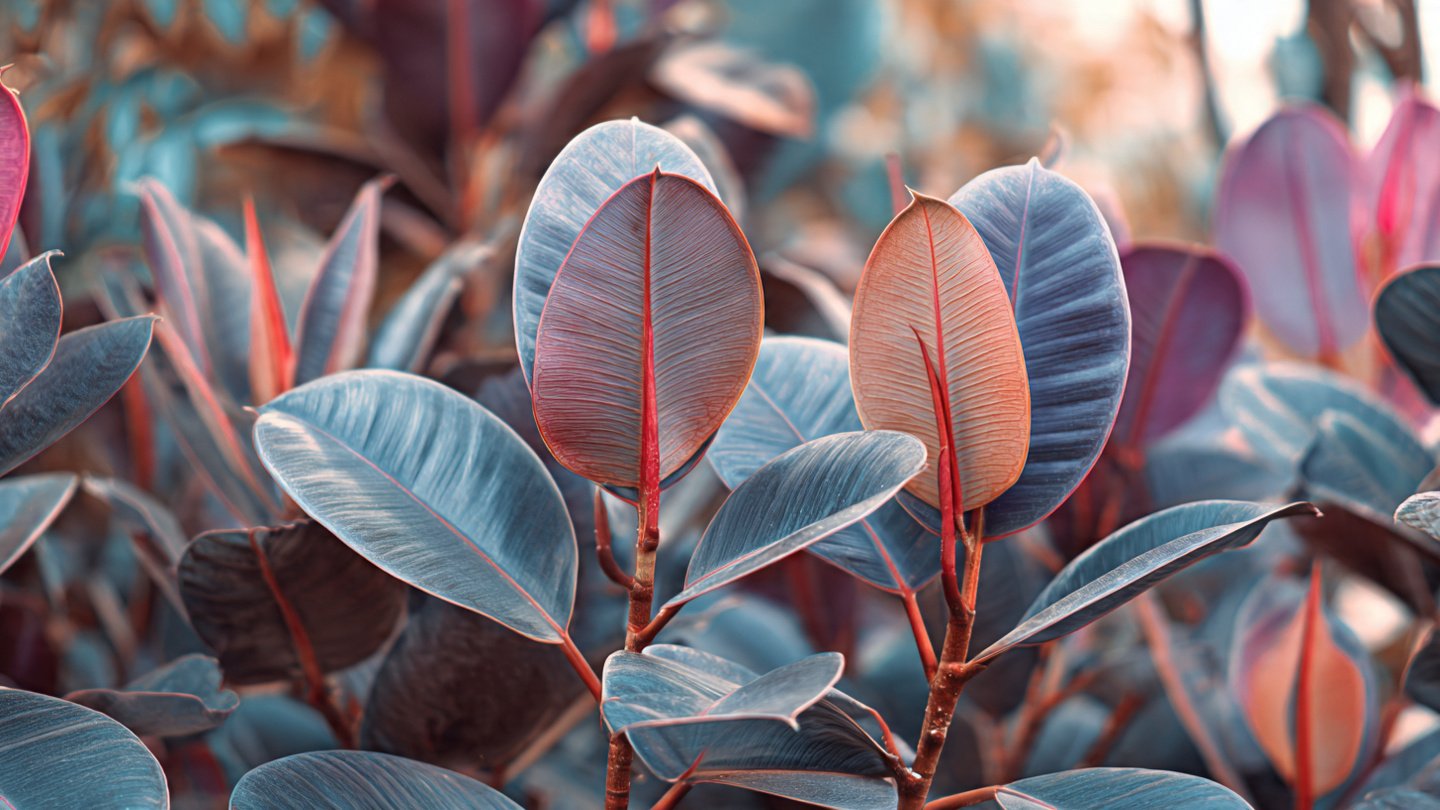
The rubber plant, known scientifically as Ficus elastica, is celebrated for its striking foliage and adaptability. Originally hailing from the tropical regions of Southeast Asia, this plant is popularly grown indoors but can thrive outdoors in suitable climates. When grown outdoors, rubber plants can develop lush, bold foliage that adds a vibrant touch to any garden landscape. In this article, we will explore how to grow rubber plants outdoors, covering everything from selecting the right location to care and maintenance practices.
Understanding the Rubber Plant
Characteristics
Rubber plants can grow into large trees or shrubby forms, reaching heights of up to 100 feet in their native habitat. However, when cultivated in home gardens, they typically grow to about 6 to 10 feet tall. The leaves are large, glossy, and can vary in color from deep green to variegated patterns. Their attractive appearance makes them a popular choice for gardeners seeking bold foliage.
Climate Requirements
Rubber plants thrive in USDA Zones 10 to 12, where the temperature rarely drops below 30°F (-1°C). If you live in a region with a mild climate, you can enjoy the tropical aesthetics of rubber plants outdoors. In areas with cooler winters, consider growing them in pots to bring them indoors during colder months.
Site Selection
Choosing the Right Location
-
Sunlight: Rubber plants prefer bright, indirect light. Too much direct sunlight can scorch the leaves, while too little light can stunt growth. An ideal location might be under a tree’s canopy or an area with dappled sunlight.
-
Soil Conditions: The soil should be well-draining to prevent root rot. A mix of potting soil with perlite or sand can enhance drainage.
-
Shelter from Wind: Young rubber plants can be sensitive to strong winds. Planting them near taller plants or structures can provide windbreaks.
Preparing the Soil
Before planting, it’s crucial to prepare the soil. Test the pH, ideally maintaining a range of 6.0 to 7.0. Amend the soil with compost to improve nutrition and drainage. Dig a hole that’s twice the size of the root ball, allowing ample space for the roots to expand.
Planting Your Rubber Plant
Step-by-Step Guide to Planting
-
Timing: The best time to plant rubber plants outdoors is in the spring after the last frost. This timing allows the plant to establish roots during the warmer months.
-
Planting Depth: Place the rubber plant in the hole and ensure the top of the root ball is level with the surrounding soil. Backfill with soil, gently tamping it down to eliminate air pockets.
-
Watering: Water thoroughly after planting, ensuring the soil is evenly moist. This initial watering helps settle the soil around the roots.
Care and Maintenance
Watering
Rubber plants require moderate watering. The top inch of the soil should dry out between waterings. Over-watering can lead to root rot, so it’s essential to strike the right balance.
Fertilization
During the growing season (spring and summer), fertilize with a balanced liquid fertilizer every 4 to 6 weeks. Dilute the fertilizer to half strength to avoid burning the plant’s roots. As fall approaches, reduce feeding to encourage dormancy.
Pruning
Regular pruning encourages bushier growth and removes any dead or yellowing leaves. Prune in early spring before the growing season begins. When pruning, cut just above a leaf node to stimulate new growth.
Pest and Disease Management
-
Common Pests: Watch for pests like spider mites, mealybugs, and aphids. Regularly inspect the leaves and stems, treating infestations promptly with insecticidal soap or neem oil.
-
Diseases: Root rot is the most common issue, often caused by poor drainage. Ensure your rubber plant is in well-draining soil and avoid over-watering.
Boosting Growth and Foliage
Mulching
Applying a layer of organic mulch around the base of the plant can help retain moisture, suppress weeds, and regulate soil temperature. Keep mulch about 2 inches away from the stem to prevent rot.
Providing Support
As rubber plants grow taller, consider providing support, especially if they begin to lean. Stake the tree or use a natural trellis to encourage upright growth.
Companion Planting
Bordering rubber plants with other tropical plants can enhance their appeal and create a mini jungle feel. Plants like philodendrons, monsteras, and ferns harmonize well with rubber plants, complementing their lush foliage.
Seasonal Considerations
Winter Care
In areas where temperatures can drop below 30°F (-1°C), consider covering your rubber plants with frost cloths or bringing potted plants indoors. If grown in the ground, thick layers of mulch can help shield roots from frost.
Preparing for Summer Heat
In peak summer, rubber plants may need extra watering, especially if planted in full sun. If leaves begin to curl, it’s a sign of stress, indicating they might need more water or shade.
Frequently Asked Questions (FAQs)
1. Can I grow a rubber plant indoors?
Yes, rubber plants can thrive indoors if provided with adequate light and humidity. They prefer bright, indirect light.
2. How often should I water my rubber plant?
Water when the top inch of soil is dry. This usually translates to once a week during the growing season and less frequently during winter.
3. What should I do if my rubber plant’s leaves turn yellow?
Yellowing leaves can indicate over-watering, under-watering, or nutrient deficiencies. Assess your watering routine and consider fertilizing if necessary.
4. How tall can a rubber plant grow outdoors?
In optimal outdoor conditions, rubber plants can grow 6 to 10 feet tall, while in their natural habitat, they can reach up to 100 feet.
5. Can I propagate my rubber plant?
Yes, rubber plants can be propagated through stem cuttings. Take a cutting below a node, allow it to callus, and then plant it in well-draining soil.
6. Do rubber plants need to be repotted?
Rubber plants appreciate being slightly root-bound but should be repotted every 2 to 3 years to refresh soil nutrients and promote growth.
7. How can I enhance the color of my rubber plant’s leaves?
Proper lighting can enhance leaf color. A spot with plenty of indirect light will encourage vibrant foliage, while overexposure to direct sunlight can cause leaf scorch.
8. What is the lifespan of a rubber plant?
With proper care, rubber plants can live for many years, some even exceeding 50 years!
Conclusion
Growing a rubber plant outdoors can offer a lush and bold focal point in your garden. With the right conditions, care, and attention, you can enjoy the striking beauty of this popular plant. Whether you’re an experienced gardener or a novice, the rubber plant is a rewarding addition that can enhance your outdoor space. By understanding its needs and following best practices, you’ll create a thriving environment for your rubber plant to flourish. Happy gardening!