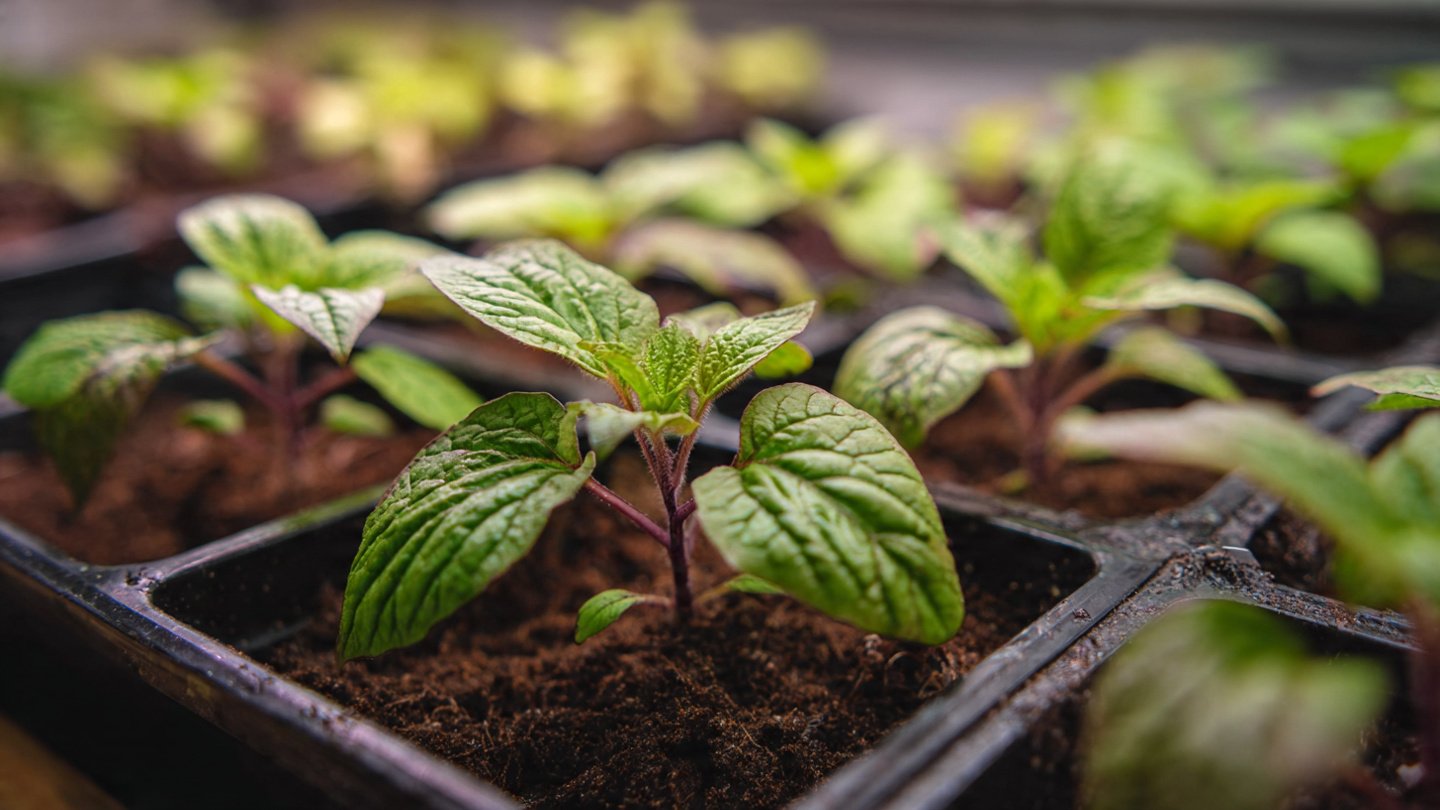
Amaranth greens, a nutritious leafy vegetable native to the tropical Americas, are gaining popularity among home gardeners due to their versatility and resilience. Amaranth is not only easy to grow but also packed with nutrients, making it a fantastic addition to any garden. Whether you’re looking to grow amaranth for its tasty greens or vibrant seeds, this guide will provide you with the necessary techniques to cultivate amaranth greens quickly and successfully.
Understanding Amaranth
Amaranth (Amaranthus spp.) is a group of plants often characterized by their broad, leafy greens and colorful flower spikes. Several species can be grown for their greens, with Amaranthus tricolor and Amaranthus dubius among the most cultivated for culinary use. Amaranth is rich in vitamins A, C, and K, as well as calcium, iron, and antioxidants. Growing amaranth can be a rewarding endeavor as it adapts well to various climates and soil conditions.
Benefits of Growing Amaranth Greens
- Nutrient-Rich: Packed with vitamins and minerals.
- Fast-Growing: Typically matures within 30 to 45 days.
- Pest Resistance: More resilient to pests and diseases than many other greens.
- Versatile Use: Can be used in salads, smoothies, stir-fries, and soups.
Step-by-Step Guide to Growing Amaranth Greens
1. Selecting the Right Variety
Start by choosing the right type of amaranth for your needs. Some popular varieties include:
- Red Amaranth: Known for its vibrant color and appealing taste.
- Green Amaranth: Tender and mild-flavored, ideal for salads or cooking.
- Yardlong Amaranth: A taller variety, suitable for cooking.
2. Choosing the Right Location
Amaranth thrives in full sun, so select a location that receives at least 6 to 8 hours of direct sunlight daily. Choose a site with well-drained soil to prevent waterlogging, which can harm the roots.
3. Preparing the Soil
Preparation is crucial for a healthy crop. Follow these steps:
- Clear the Area: Remove weeds, rocks, and debris from the garden bed.
- Soil Test: Test the soil pH; amaranth prefers a slightly acidic to neutral pH (6.0 to 7.0).
- Amend the Soil: Incorporate organic matter like compost or aged manure to improve soil structure and fertility.
- Loosen the Soil: Use a garden fork or tiller to aerate the soil, ensuring it’s crumbly and well-drained.
4. Sowing Seeds
For the best results, sow amaranth seeds directly in the soil:
- Timing: Plant in spring after the last frost or in late summer for a fall harvest.
- Seeding Depth: Sow seeds about 1/4 inch deep.
- Spacing: Space seeds 12 to 18 inches apart, as the plants will spread out.
- Row Spacing: Space rows about 18 to 24 inches apart for easy access.
5. Watering Wisely
Amaranth is drought-resistant but benefits from consistent moisture, especially in the early growth stages:
- Watering Schedule: Water deeply once a week, providing about an inch of water.
- Mulching: Apply a layer of mulch around the plants to retain moisture and suppress weeds.
- Avoid Overhead Watering: Use drip irrigation or soaker hoses to prevent fungal diseases.
6. Fertilizing for Growth
While amaranth can thrive in less fertile soils, applying fertilizer can boost growth:
- Organic Options: Use organic fertilizers, such as fish emulsion or seaweed extract, every 4-6 weeks.
- Conventional Options: A balanced 10-10-10 NPK fertilizer can also promote growth.
7. Pest and Disease Management
Amaranth is generally pest-resistant, but monitoring for common pests like aphids or snails is essential:
- Hand-Picking: Remove any visible pests by hand.
- Natural Predators: Encourage beneficial insects like ladybugs and lacewings.
- Disease Prevention: Ensure proper spacing for air circulation to prevent fungal infections.
8. Harvesting Amaranth Greens
Amaranth greens are ready to harvest when the leaves are tender and young:
- Timing: Begin harvesting about 30 days after sowing.
- Method: Cut the outer leaves first, allowing the inner leaves to continue growing.
- Frequency: Harvest regularly to encourage new growth and keep the plants productive.
9. Storing and Using Amaranth Greens
Once harvested, proper storage will maintain freshness:
- Storage: Store unwashed greens in a perforated plastic bag in the refrigerator for up to a week.
- Preparation: Wash leaves thoroughly before use. Incorporate into salads, soups, or stir-fries.
Simple Techniques for Quick Growth
1. Start Indoors
For an earlier harvest, start seeds indoors 4-6 weeks before the last frost date. Use biodegradable pots and transplant outside when seedlings are 3-4 inches tall.
2. Succession Planting
To have a continuous supply of greens, practice succession planting by sowing new seeds every two weeks.
3. Intercropping
Intercrop amaranth with faster-growing crops like radishes or spinach. This method utilizes space effectively and offers shading to prevent weed growth.
FAQs about Growing Amaranth Greens
Q1: How much sunlight do amaranth greens need?
Amaranth requires full sun, meaning it should receive at least 6 to 8 hours of direct sunlight daily for optimal growth.
Q2: Can I grow amaranth in containers?
Yes, amaranth can adapt well to container gardening. Ensure the pots are at least 12 inches deep and provide adequate drainage.
Q3: What are the signs of overwatering amaranth?
Signs of overwatering include yellowing leaves, wilting despite wet soil, and root rot. Always monitor soil moisture.
Q4: How often should I fertilize amaranth?
Fertilize every 4 to 6 weeks using an organic fertilizer for best results, especially if the soil is low in nutrients.
Q5: Can I use amaranth greens in smoothies?
Absolutely! Amaranth greens have a mild flavor, making them an excellent addition to smoothies for added nutrition.
Q6: Are there any specific pests to watch for?
While amaranth is generally pest-resistant, keep an eye out for aphids, snails, and caterpillars, which can occasionally feed on the leaves.
Q7: Is amaranth a perennial or annual?
Amaranth is typically grown as an annual, completing its life cycle in one growing season. However, some species can grow as perennials in mild climates.
Conclusion
Growing amaranth greens is a straightforward and rewarding endeavor, ideal for beginners and experienced gardeners alike. With the right techniques—such as choosing the right variety, preparing the soil, and maintaining consistent care—you can enjoy fresh, nutrient-rich amaranth greens in no time. Embrace these simple methods, and soon, your garden will be filled with vibrant, healthy foliage ready to enhance your meals. Happy gardening!