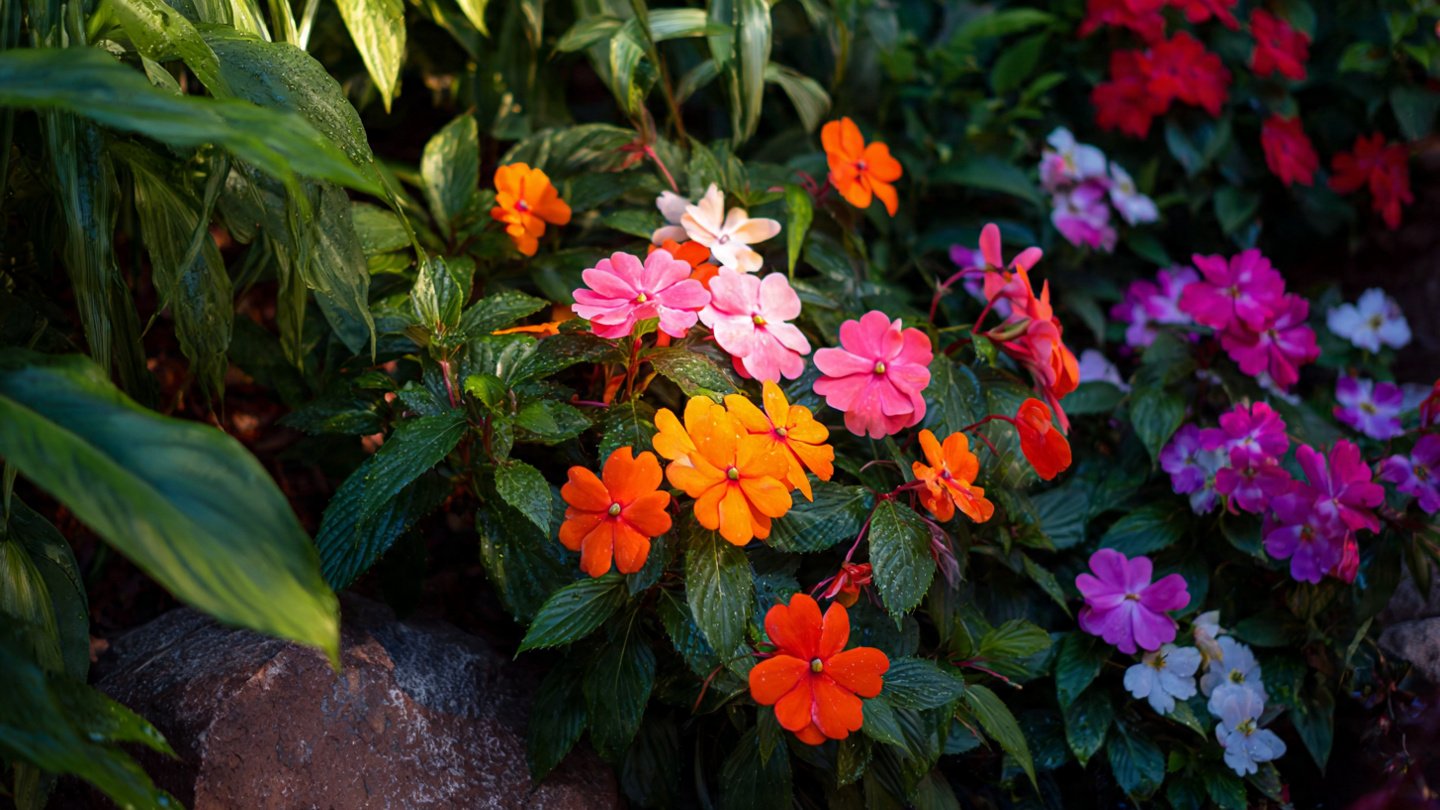
Impatiens are cherished among gardeners for their vibrant colors, easy care, and ability to bloom continuously throughout the growing season. Whether you’re a novice gardener or a seasoned pro, cultivating impatiens can elevate your garden to new heights of beauty. This article will guide you through the steps to successfully grow these delightful plants, featuring tips on planting, caring, and troubleshooting common issues.
Understanding Impatiens
Impatiens, predominantly the Impatiens walleriana (common impatiens), are shade-loving annuals that bring an array of colors, including red, pink, white, and purple, to your garden. They thrive in low light conditions, making them perfect for shaded areas, beds, borders, and containers. Moreover, they are known for their ability to fill space quickly with lush foliage and flowers, providing a beautiful display throughout the summer months.
Types of Impatiens
-
Common Impatiens (Impatiens walleriana):
- Known for their lush foliage and abundant flowering.
- Ideal for shady spots.
-
New Guinea Impatiens (Impatiens hawkeri):
- Larger flowers and more resistant to sunlight than common impatiens.
- Prefer partial sun and have a slightly different growth habit.
-
SunPatiens:
- Hybrid impatiens that can tolerate full sun and heat, unlike standard impatiens.
- Ideal for warm climates.
Choosing the Right Variety
When choosing impatiens for your garden, consider the light conditions of your space. Common impatiens perform well in shady areas, while New Guinea and SunPatiens can thrive in more sun. For a vibrant display, mix different colors or types to create a tapestry of blooms.
Preparing the Garden Bed
Selecting the Location
-
Light Conditions:
- Common impatiens prefer full shade to partial shade. Avoid environments with direct sunlight, as it can scorch the leaves.
- New Guinea impatiens may handle partial to full sun, depending on local climate conditions.
-
Soil Quality:
- Impatiens prefer rich, well-draining soil. Amending your garden with organic matter like compost can improve soil quality and drainage.
Soil Preparation
-
Testing pH:
- Aim for a slightly acidic to neutral pH (6.0 to 7.0) for optimal growth. You can use a home soil testing kit to determine pH levels.
-
Amending the Soil:
- Improve drainage by mixing in perlite or vermiculite if soil is dense. Adding compost will enhance fertility and moisture retention.
-
Tilling the Soil:
- Break up the soil to about a depth of 12 inches. This encourages root growth and allows for better drainage.
-
Adding Fertilizer:
- Use a balanced slow-release fertilizer when preparing the soil to give your plants nutrients through the growing season.
Planting Impatiens
When to Plant
- The best time to plant impatiens is after the last frost, typically in late spring. Check your local frost dates to ensure a successful planting.
Planting Steps
-
Spacing:
- Space common impatiens about 8 to 12 inches apart. For New Guinea impatiens, leave 12 to 18 inches due to their larger growth habit.
-
Digging Holes:
- Dig a hole that is slightly larger than the root ball of your impatiens.
-
Transplanting:
- Remove the impatiens from their container, gently loosen the roots, and place them in the hole. Backfill with soil and pat it down.
-
Watering:
- Water immediately after planting to eliminate air pockets and settle the soil around the roots.
Caring for Impatiens
Watering
- Impatiens thrive in consistently moist soil but can be sensitive to overwatering. Aim to keep the soil moist but not soggy. Regularly check soil moisture by sticking your finger into the soil; if it’s dry an inch down, it’s time to water.
Fertilization
- Every 4 to 6 weeks, apply a water-soluble fertilizer with an equal ratio of nitrogen, phosphorus, and potassium (e.g., 10-10-10) to promote flowering. Dilute the fertilizer to half-strength when applying, especially for younger plants.
Pruning and Deadheading
- Regularly deadhead spent blooms to encourage new flowers and prevent seed formation. This enables the plant to focus its energy on producing more vibrant blooms. Additionally, pinch back leggy growth to encourage a bushier plant.
Pest and Disease Management
-
Common Pests:
- Aphids, spider mites, and whiteflies may infest impatiens. Use insecticidal soap or neem oil as an organic treatment.
-
Diseases:
- Keep an eye out for downy mildew, characterized by yellowing leaves and stunted growth. Ensure good air circulation and avoid overhead watering to minimize fungal diseases.
Extending the Blooms
Seasonal Considerations
-
Mulching:
- Applying a layer of mulch around your plants can help retain moisture, suppress weeds, and regulate soil temperature.
-
Wintering Over:
- In regions with mild winters, consider relocating impatiens indoors or to a protected area. For cold climates, treat them as annuals and replant each spring.
-
Companion Planting:
- Planting flowers that attract beneficial insects can help improve health and vitality, reducing the chance of infestations.
Experimenting
- Don’t hesitate to explore using impatiens in container gardens or hanging baskets. This allows for creative arrangements and can bring color to porches, patios, or even indoor spaces. Experiment with different varieties to see which performs best in your conditions.
Conclusion
Growing impatiens is an excellent way to enhance the beauty of your garden with their lush foliage and vibrant blooms. By following these guidelines on preparation, care, and troubleshooting, you can ensure a stunning display that lasts through the season. With consistent care and attention, your garden will flourish with endless colors that will delight you and your guests.
FAQs
1. How often should I water impatiens?
Water them when the top inch of the soil feels dry. Typically, this means watering every few days, but frequency may increase in hot weather.
2. Can impatiens survive in full sun?
Common impatiens typically cannot survive in full sun, but New Guinea impatiens can tolerate partial to full sun conditions. Check the specific variety before planting.
3. When do impatiens start blooming?
Impatiens usually begin blooming 4 to 6 weeks after planting outside, dependent on weather conditions and care.
4. Are impatiens deer-resistant?
While impatiens are not the first choice for deer, they can still be eaten if food is scarce. Consider using deterrents or fencing if deer are prevalent in your area.
5. How long do impatiens bloom?
If properly cared for, impatiens can bloom continuously from spring until the first frost, providing vibrant flowers for several months.
By nurturing impatiens with these tips, you can create a vibrant garden filled with color that will flourish and enchant all season long. Embrace the joy of gardening and enjoy the beauty these splendid flowers bring into your landscape!