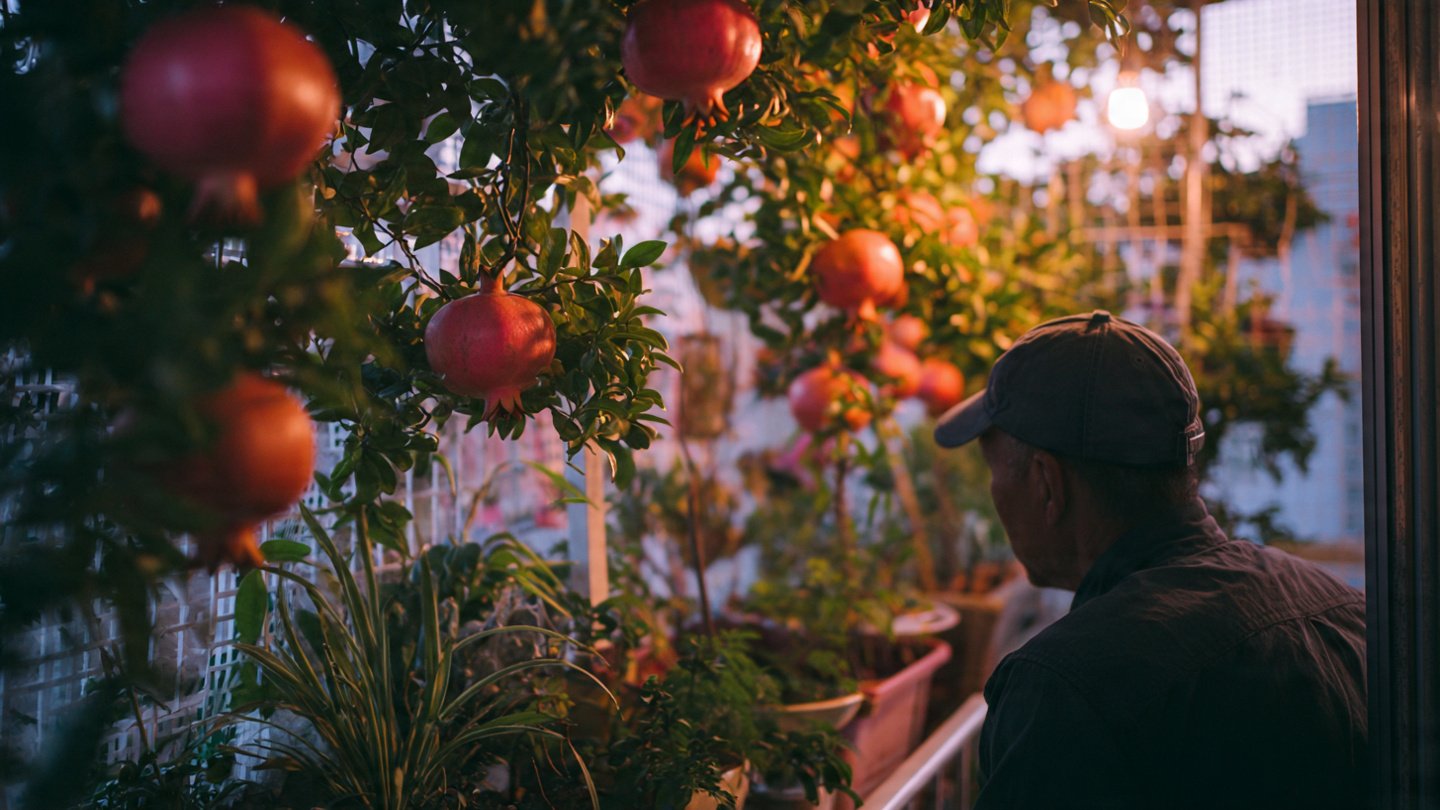
As cities expand and living spaces become more compact, urban gardening has emerged as a popular way to cultivate greenery in limited spaces. With an increasing emphasis on sustainability and fresh produce, more city dwellers are turning to balconies, rooftops, and small gardens to grow their own food. One particularly rewarding plant suitable for urban gardening is the pomegranate. Known for its juicy seeds and health benefits, pomegranates also bring vibrancy and beauty to any balcony space. This article explores the benefits of growing pomegranates on your balcony, offering practical advice for urban gardeners.
Why Pomegranates?
Nutritional Value
Pomegranates are often lauded as a “superfood.” They are rich in vitamins C and K, antioxidants, and fiber. Consuming pomegranates can improve heart health, lower inflammation, and even enhance memory function. Growing your own ensures that you have access to this nutritious fruit, free from pesticides and chemicals commonly found in store-bought options.
Aesthetic Appeal
Pomegranate trees produce stunning blossoms that can add color and beauty to your balcony. With bright red flowers and glossy leaves, they can serve as ornamental plants even before they start producing fruit. Additionally, their unique shape and stature can make them a focal point in your urban garden.
Easy Maintenance
Unlike many fruiting plants, pomegranates are relatively easy to care for. They are hardy and can tolerate drought, making them suitable for urban dwellers who may not have time for extensive gardening chores. Once established, pomegranate plants need minimal watering and care.
Growing Pomegranates on Your Balcony
Choosing the Right Variety
When selecting a pomegranate plant for your balcony, consider the following popular varieties:
-
Wonderful: This is the most common variety found in stores, known for its juicy seeds and rich flavor. It’s a great choice for home gardens.
-
Angel Red: A newer variety, it produces large, sweet fruit with a vibrant red color. This variety is particularly well-suited for container gardening.
-
Parfianka: Renowned for its superior taste and juiciness, this variety thrives in warmer climates and is an excellent choice for urban gardeners.
Container Gardening
Pomegranates can easily thrive in containers, making them ideal for balcony gardening. Here are some tips for successful container gardening with pomegranates:
-
Container Size: Select a container that is at least 12-14 inches in diameter. Ensure it has drainage holes to prevent waterlogging.
-
Soil: Use well-draining soil rich in organic matter. You can mix potting soil with perlite or sand to enhance drainage.
-
Fertilization: Use a balanced fertilizer during the growing season to encourage healthy growth. Organic options, such as compost or fish emulsion, can yield excellent results.
Sunlight and Water Requirements
Pomegranates prefer to bask in full sunlight, ideally six to eight hours a day. Position your balcony plants in a spot that allows ample sunlight throughout the day. Regarding watering, pomegranates are drought-tolerant but still require consistent moisture, especially during the fruiting stage. Water them thoroughly when the top inch of soil feels dry.
Pruning and Training Your Plants
Maintenance doesn’t end with watering and feeding. Pruning your pomegranate plant is essential for good air circulation and shape. Here’s how to manage it:
-
Formation: Prune in early spring to shape the plant and remove any dead or damaged branches. This helps to promote a strong structure that can support fruiting.
-
Training: Consider using trellises or stakes to support your pomegranate if you want to create a vertical garden or utilize a wall.
Harvesting
Pomegranates typically take about five to six months to ripen after flowering. The fruit will change color and develop a hard skin when ready for harvest. A key indicator of ripeness is the sound the fruit makes when tapped—ripe pomegranates emit a dull, hollow sound.
Benefits for Urban Gardeners
Fresh Produce
Growing pomegranates allows urban gardeners to enjoy fresh, organic fruit at their fingertips. This not only promotes healthy eating habits but also saves money spent on store-bought produce.
Environmental Impact
Urban gardening helps reduce your carbon footprint by minimizing the distance food travels from farm to table. By growing your own pomegranates, you contribute to sustainability while lowering your impact on the environment.
Stress Relief and Mental Well-being
Planting and nurturing a garden can significantly reduce stress and improve mental health. The act of gardening—caring for plants, watching them grow, and eventually reaping the rewards—offers a sense of accomplishment and peace. Studies have shown that interacting with plants can elevate mood and reduce anxiety.
Community Building
Urban gardening fosters community connections. When you grow pomegranates or any other crops in your community, it often leads to shared experiences, exchanges of gardening tips, or even group harvests. This can strengthen bonds with your neighbors and fellow gardening enthusiasts.
Educational Opportunities
Growing fruit trees like pomegranates can be an invaluable educational experience, especially for families. Kids can learn about the entire lifecycle of plants, from seed to harvest, fostering a sense of responsibility and a deeper appreciation for nature.
Challenges to Consider
Space Limitations
Not all balconies are created equal. Ensure you have sufficient space to accommodate a pomegranate plant without becoming overcrowded. Overcrowding can lead to poor air circulation and increased susceptibility to diseases.
Seasonal Variations
Urban environments can experience unique weather patterns, including increased wind and temperature fluctuations. Be prepared to protect your pomegranate plant with windbreaks if your balcony gets too windy in winter.
Pest Management
Even hardy pomegranates can encounter pests such as aphids or whiteflies. Use organic pest control methods—like insecticidal soap or neem oil—when needed to keep your plants healthy without harming the environment.
Frequently Asked Questions (FAQs)
1. Can I grow pomegranates in cold climates?
Pomegranates thrive in warm, temperate climates but can be grown in colder areas with careful winter protection, such as moving pots indoors or using frost cloths.
2. How long does it take for pomegranate trees to produce fruit?
Pomegranate trees typically take about three to four years to start fruiting if grown from a seedling. If you start with a grafted plant, you may see fruit in as little as 1-2 years.
3. Do pomegranates require a pollinator?
Most pomegranate varieties are self-pollinating, meaning you don’t need a second plant for fruit production. Having more than one can increase yields, though.
4. How often should I water my pomegranate plant?
Water your pomegranate when the top inch of soil is dry, ensuring that it receives consistent moisture without becoming waterlogged.
5. What are the best fertilization methods for pomegranates in containers?
Use a balanced fertilizer in the early spring and mid-summer. Organic options, such as compost or well-rotted manure, work well and improve soil quality.
6. Can I prune my pomegranate tree?
Yes, pruning is essential for maintaining shape and removing dead limbs. Perform pruning in early spring before new growth starts.
7. Is it possible to grow pomegranates indoors?
While it’s more challenging, you can grow pomegranates indoors with appropriate lighting and care. A dwarf variety is best suited for indoor gardening.
Conclusion
In the hustle and bustle of urban life, growing pomegranates on your balcony offers numerous benefits, from health advantages to aesthetic appeal and greater environmental sustainability. This rewarding gardening endeavor provides city dwellers the chance to reconnect with nature, cultivate fresh food, and enrich their living spaces. As you embark on this exciting journey, you’ll find that growing pomegranates is not just about the fruit—it’s about the entire process of nurturing life and enjoying the tranquility that comes with it. Whether you’re a seasoned gardener or a beginner, these vibrant plants can undoubtedly elevate your urban gardening experience.