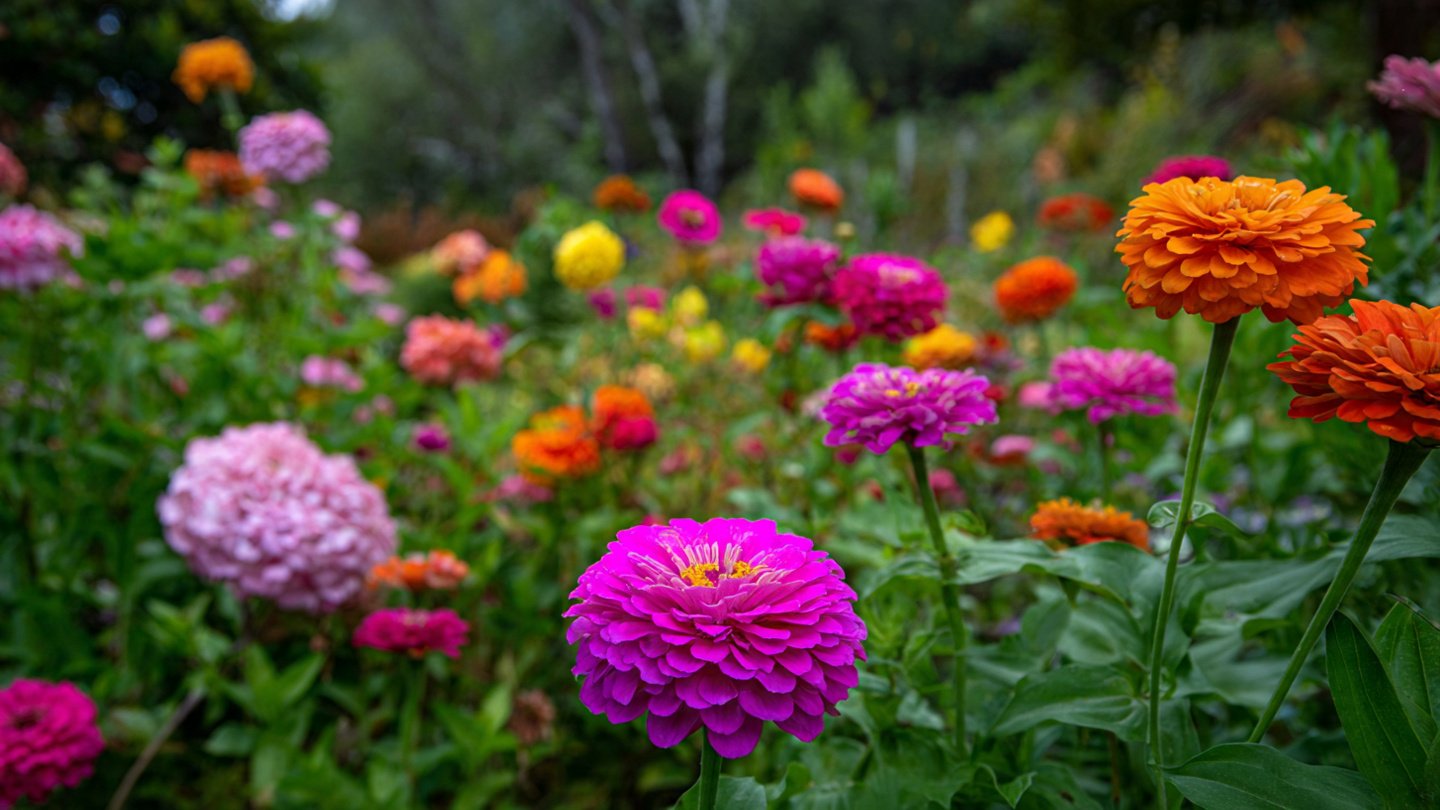
Zinnias are among the most vibrant and cheerful flowers to grace any garden. With their wide array of colors, sizes, and shapes, zinnias are not only easy to grow but also provide a longer blooming season, making them perfect for gardeners looking to inject color into their landscapes. This article will provide essential tips for successfully growing continuous bloom zinnias, ensuring beautiful flowers from late spring to frost.
1. Choosing the Right Variety
A. Types of Zinnias
Zinnias come in several varieties, but when aiming for a continuous bloom, you should focus on:
- Zinnia elegans: Known for its tall, sturdy stems and large blooms.
- Zinnia angustifolia: Offers smaller, more delicate flowers and tends to bloom profusely.
- Zinnia haageana: Known for its unique color combinations and compact growth habit.
Selecting the right variety is crucial for continuous blooming. Some types produce flowers rapidly while others may take longer to establish.
B. Consider Local Climate
Different varieties thrive in various climates. If you’re in a cooler region, opt for shorter, compact varieties that require less sunlight, while warmer climates can support taller types with larger blooms.
2. Preparing Your Soil
A. Soil Quality
Zinnias prefer well-drained soil that is rich in organic matter. Test your soil’s pH; it should ideally be between 6.0 and 7.0. If your soil is too acidic, add lime; if it’s too alkaline, incorporate sulfur.
B. Amending the Soil
Before planting, mix in compost or well-rotted manure to enhance nutrient content. A balanced fertilizer can also promote healthy growth.
3. Planting Your Zinnias
A. Timing
Zinnias are warm-season annuals that should be planted after the last frost date. You can start them indoors about 4-6 weeks before transplanting outside or sow seeds directly in the garden bed once the soil warms up.
B. Spacing
Plant zinnias about 12 to 18 inches apart to allow for air circulation and growth. This spacing prevents overcrowding, which can lead to diseases.
4. Watering Practices
A. Consistent Moisture
While zinnias are relatively drought-tolerant, they prefer consistent moisture. Water deeply once a week, allowing the top inch of soil to dry out between watering sessions.
B. Avoid Overhead Watering
Watering at the base of the plant helps prevent fungal diseases and ensures that the foliage remains dry.
5. Sunlight Requirements
Zinnias thrive in full sun, requiring at least 6-8 hours of direct sunlight daily to encourage continued blooming. Choose a planting location that receives ample sunlight throughout the day.
6. Fertilizing for Blooms
A. Fertilization Schedule
Applying a balanced fertilizer once a month can significantly enhance blooming. Look for fertilizers high in phosphorus to encourage flower production.
B. Avoid Over-fertilization
Too much nitrogen can result in lush foliage with fewer blooms. Stick to a recommended schedule to find the right balance.
7. Deadheading for Continuous Blooms
A. What is Deadheading?
Deadheading is the process of removing spent blooms. This encourages the plant to direct energy towards producing new flowers, prolonging the blooming season.
B. How to Deadhead
Use clean scissors or pruning shears to snip the flower head just above the first full set of leaves. Regular deadheading will lead to a more productive and aesthetically pleasing plant.
8. Pest Management
A. Common Pests
Zinnias may attract pests such as aphids, spider mites, and whiteflies. Inspect your plants regularly and use insecticidal soap or neem oil to control infestations.
B. Beneficial Insects
Encourage beneficial insects like ladybugs and lacewings, which prey on pests. Planting a diverse range of flowers can help attract these beneficial allies.
9. Dealing with Diseases
A. Common Diseases
Zinnias can be prone to diseases like powdery mildew and bacterial wilt. Ensure adequate spacing and airflow to prevent these issues.
B. Preventive Measures
Rotate your crops yearly, and avoid watering in the evening to allow foliage to dry quickly. If you notice disease, remove affected areas immediately and avoid overhead watering.
10. Seasonal Care
A. End of Season Cleanup
At the end of the blooming season, remove all plant debris from your garden to prevent diseases from lingering into the next growing season. Compost healthy plant materials but discard any diseased portions.
B. Winter Care
Zinnias are annuals that won’t survive frost, but you can save seeds to grow new plants the following year. Harvest seeds from fully mature heads and store them in a cool, dry place.
FAQs
1. How long do zinnias bloom?
Zinnias can bloom continuously from late spring until the first frost, lasting around 8 to 12 weeks, depending on the variety and growing conditions.
2. Can zinnias be grown in containers?
Yes, zinnias can thrive in containers. Ensure the pot has sufficient drainage holes and use a high-quality potting mix.
3. What should I do if my zinnias are wilting?
Wilting can indicate either overwatering or underwatering. Check the soil moisture and adjust your watering routine accordingly.
4. Are zinnias deer and rabbit resistant?
Zinnias are generally not favored by deer and rabbits, but these animals may nibble on them if food is scarce.
5. How can I propagate zinnias?
Zinnias are usually grown from seed. To propagate, collect seeds from spent blooms, and store them until it’s time to plant.
Tips for Success:
- Choose disease-resistant varieties whenever possible.
- Mulch around your plants to help retain moisture and suppress weeds.
- Rotate zinnias with other flower types to maintain soil health and reduce pest populations.
Conclusion
Growing continuous bloom zinnias in your garden is immensely rewarding. With vibrant colors, diverse forms, and a relatively simple care regimen, these flowers can brighten any landscape or garden space. By following these tips, you will encourage a profusion of blooms that last throughout the growing season, enhancing the beauty and vibrancy of your garden. Embrace the joy of gardening with zinnias, and watch your efforts yield stunning results!