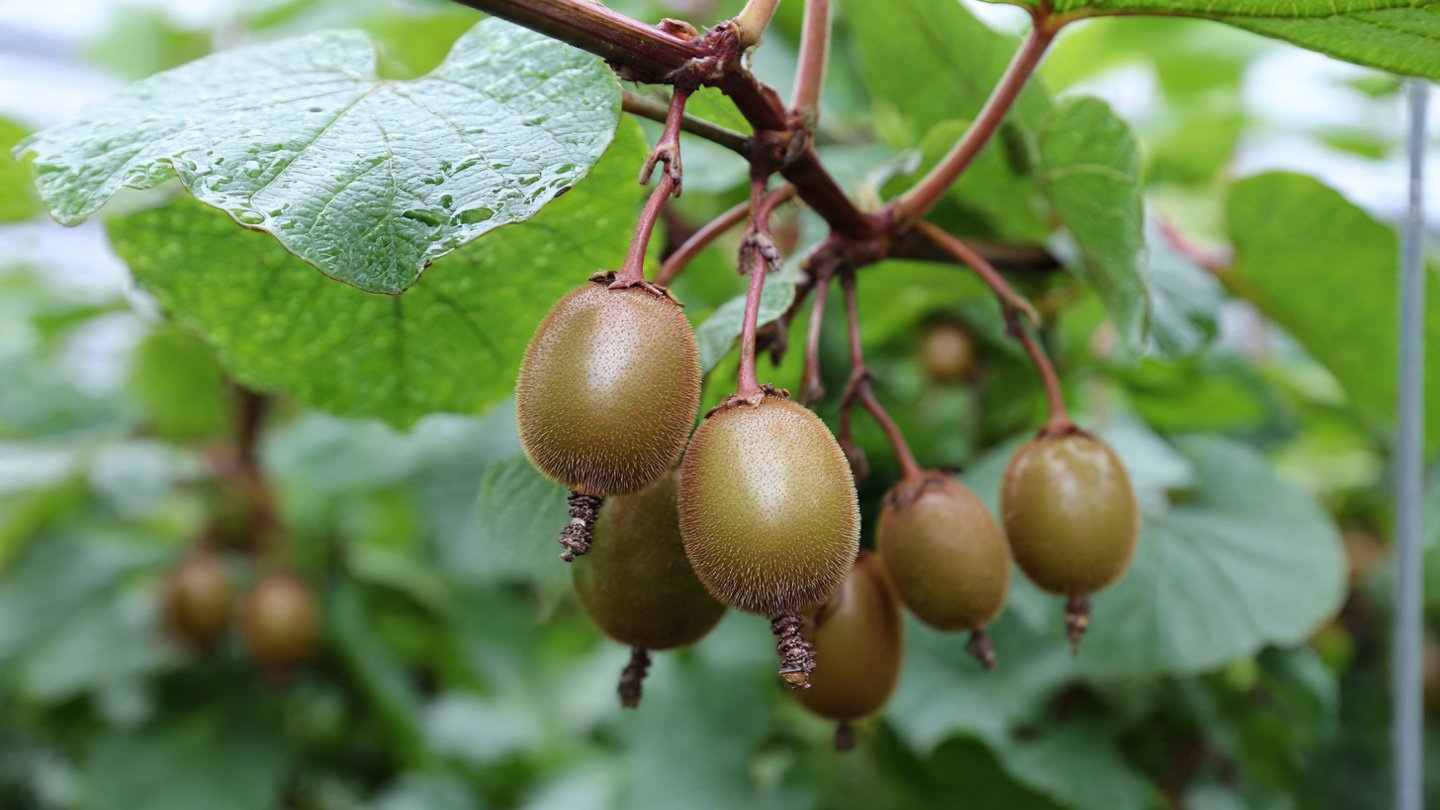
Kiwi berries (Actinidia arguta), also known as hardy kiwis or baby kiwis, are small, grape-sized fruits that resemble traditional kiwis but are smooth and edible without peeling. These delightful berries not only boast a unique flavor profile but also offer various health benefits. With the growing interest in cultivating exotic fruits in Canada, kiwi berries have emerged as a viable option. This article explores effective techniques for successful kiwi berry cultivation adapted to Canadian climate conditions.
1. Understanding Kiwi Berries
Before diving into cultivation techniques, it’s essential to understand kiwi berries’ unique traits. Kiwi berries are hardier than their larger counterparts and can withstand colder temperatures, making them suitable for growing in various Canadian regions. They thrive in USDA hardiness zones 3 to 9, which covers much of Canada.
Benefits of Kiwi Berries
- Nutrition: Kiwi berries are rich in vitamins C and E, antioxidants, and fiber.
- Flavor: They have a sweet, tangy taste, often described as a mix between a kiwi and a grape.
- Biodiversity: Adding kiwi berries to your garden contributes to biodiversity and enhances soil health.
2. Climate Considerations
Temperature Tolerance
Kiwi berries can tolerate temperatures as low as -30°C (-22°F) but thrive best in areas with a moderate climate. Proper site selection is crucial to protect these plants from extreme cold and harsh winds.
Sunlight Requirements
These berries require full sun for optimal growth—about six hours of direct sunlight daily. However, in regions with intense summer heat, some afternoon shade can help prevent sunburn on leaves.
3. Site Selection and Preparation
Choosing the Right Location
Select a site with good air circulation, well-drained soil, and protection from harsh winds. Avoid low-lying areas where cold air may settle, leading to frost damage.
Soil Preparation
Kiwi berries prefer slightly acidic to neutral soil (pH 5.5 to 7.0). Conduct a soil test to determine existing pH and nutrient levels. Amend the soil using organic matter like compost or well-rotted manure to improve drainage and fertility.
- Soil Structure: Ensure the soil has a good structure to hold moisture without getting waterlogged.
- Drainage: If the soil is heavy clay, consider raised beds or planting on mounds to enhance drainage.
4. Planting Techniques
Selecting Varieties
When cultivating kiwi berries, it’s essential to select hardy varieties suitable for your local climate. Popular varieties include:
- Hardy Kiwi: A vigorous grower known for its cold tolerance.
- Baby Kiwi: Smaller, sweeter fruits that are increasingly popular.
Planting Time
The best time to plant kiwi berries in Canada is in early spring after the last frost, or in late fall before the ground freezes.
Planting Method
- Spacing: Space plants approximately 3 to 4 feet apart for adequate airflow and sunlight exposure.
- Depth: Dig holes twice as wide as the root ball and slightly deeper. Place the plant in the hole, ensuring that the crown is level with the soil surface, and backfill with soil.
5. Pruning and Training
Importance of Pruning
Pruning is vital for healthy growth and fruit production. It promotes air circulation, prevents disease, and encourages new growth.
Pruning Techniques
- Initial Pruning: After planting, cut back any damaged or weak stems to encourage branching.
- Winter Pruning: In late winter, prune back one-year-old canes to about 30 cm (12 inches) to encourage new growth and maintain the shape of the plant.
Training Systems
Kiwi berries are vigorous climbers and benefit from a support structure:
- Trellis: A sturdy trellis should be built to support the vines as they grow. This can be made of treated wood or wire.
- Training the Vines: As the vines grow, gently tie them to the trellis, allowing for airflow and sunlight to reach the fruit.
6. Watering and Fertilization
Water Requirements
Kiwi berries require consistent moisture, particularly during flowering and fruit development. However, they do not tolerate waterlogging.
- Drip Irrigation: Implementing a drip irrigation system can effectively supply consistent moisture while minimizing water waste.
- Mulching: Applying a layer of organic mulch can help retain soil moisture, suppress weeds, and improve soil health.
Fertilization
Fertilize kiwi berries in early spring using a balanced fertilizer high in phosphorus to encourage robust root development and fruiting. Organic options, such as fish emulsion or seaweed extract, can also be beneficial.
7. Pest and Disease Management
Common Pests
- Aphids: These small insects can be managed through neem oil sprays or introducing beneficial insects like ladybugs.
- Spider Mites: A regular misting of plants can help prevent infestations.
Disease Prevention
- Powdery Mildew: Ensure good air circulation through proper spacing and pruning. If powdery mildew occurs, treat it with organic fungicides.
- Root Rot: Avoid waterlogged conditions to prevent root rot. Practice crop rotation and sanitation for disease management.
8. Harvesting
Kiwi berries usually begin to bear fruit in 3 to 4 years after planting. Harvesting them can be tricky since they do not soften as traditional kiwis do.
When to Harvest
- Timing: Harvest when the berries turn a slightly darker green or have a slight give when pressed. They should be fully colored and firm yet slightly soft to touch.
9. Storage and Use
Post-Harvest Handling
After harvesting, kiwi berries should be handled gently to avoid bruising. Store them in a cool, dry place or refrigerate them to extend their shelf life.
Culinary Uses
Kiwi berries can be enjoyed fresh, in salads, desserts, or as a topping for yogurts and granola. They can also be used in jams, jellies, and other culinary creations.
FAQs
1. Can I grow kiwi berries in pots?
Yes! Kiwi berries can be grown in pots, but ensure that the pots are large enough (at least 10 gallons) to accommodate their root systems. Use well-draining soil and ensure the pots have drainage holes.
2. How much sunlight do kiwi berries need?
Kiwi berries require full sun, ideally around six hours of direct sunlight daily. However, they can benefit from some afternoon shade in particularly hot climates.
3. Are kiwi berries self-pollinating?
No, kiwi berries require both male and female plants for pollination. Plant at least one male plant for every five female plants for optimal fruit production.
4. What is the best way to prune kiwi berries?
Prune kiwi berries in late winter before new growth starts. Remove weak or damaged stems and trim one-year-old canes to promote healthy branching and fruit development.
5. How can I protect kiwi berries from winter chill?
In colder regions, consider applying mulch around the base of the plants to insulate the roots. Covering young plants with frost cloth on particularly cold nights can also be beneficial.
6. How often should I water my kiwi berries?
Water kiwi berries consistently, especially during dry spells or fruit development. Use a drip irrigation system for efficient watering and avoid waterlogging the soil.
By following these techniques tailored for Canadian climate conditions, you can successfully cultivate kiwi berries in your garden. With patience and care, you will enjoy the delicious fruits of your labor for years to come!