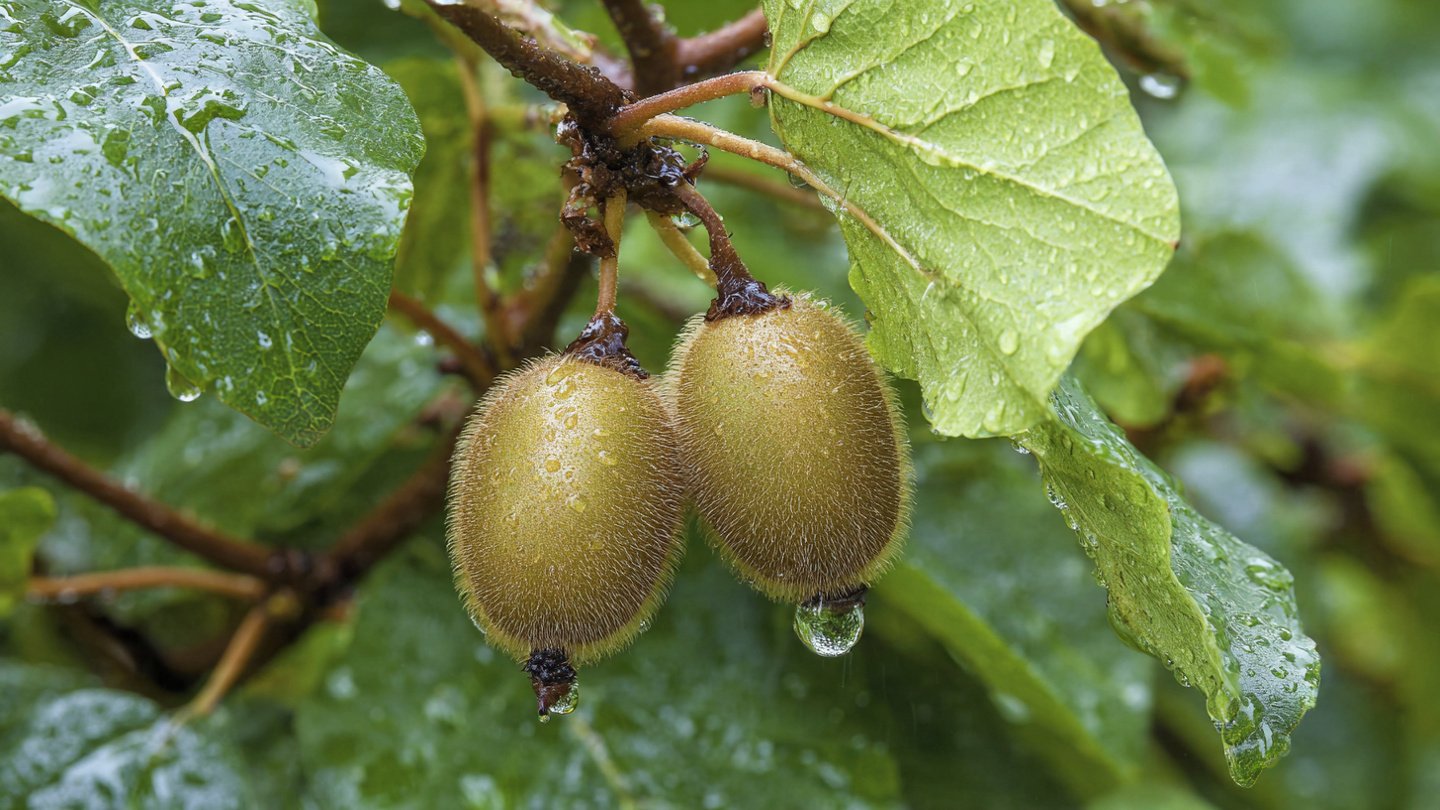
Cultivating hardy kiwi plants, especially in cold climates, can be a rewarding yet challenging endeavor. Known scientifically as Actinidia arguta, these small, nutrient-packed fruits are hardy and can thrive where standard kiwi plants do not. This article will guide you through easy steps to successfully grow hardy kiwis, along with frequently asked questions to help you navigate potential challenges.
1. Understanding Hardy Kiwi
What are Hardy Kiwis?
Hardy kiwis are small, grape-sized fruits with smooth, edible skin. Unlike traditional kiwis, they range from green to yellow and can be eaten straight off the vine. They are generally sweeter and less acidic, making them an appealing fruit for a variety of uses, from fresh eating to jams and desserts.
Benefits of Growing Hardy Kiwi
- Cold Tolerance: Hardy kiwi plants can withstand temperatures as low as -25°F (-31°C), making them ideal for northern climates.
- Nutritional Value: These fruits are high in vitamins and minerals, particularly vitamin C, vitamin E, and antioxidants.
- Landscape Appeal: Hardy kiwis offer lush green foliage in summer and vibrant colors in fall, enhancing garden aesthetics.
2. Selecting the Right Variety
While there are several varieties of hardy kiwi, they can largely be categorized into two types based on size and flavor:
- Small Fruits: Varieties like ‘Hardy’ and ‘Baby Kiwi’ produce smaller fruits but in more abundant clusters.
- Larger Fruits: Varieties such as ‘Arctic Beauty’ yield larger fruits and can be quite sweet.
Consider factors such as taste preference, fruit size, and climate suitability when selecting your plant variety.
3. Site Selection
Choosing the Perfect Spot
Selecting the right location in your garden is critical for the successful growth of hardy kiwi plants.
- Sunlight: Ensure your kiwi plants receive at least 6-8 hours of direct sunlight daily for optimal fruit production.
- Drainage: Choose a well-drained area; kiwi plants don’t tolerate waterlogged soil.
- Protection from Wind: Locate your plants against a wall or fence to protect them from harsh winds.
4. Soil Preparation
Hardy kiwis prefer well-draining, slightly acidic to neutral soil (pH 5.5 – 7.0). Here’s how to prepare your soil:
- Testing pH: Use a soil test kit to assess your soil’s pH and nutrient content.
- Amending Soil: Incorporate organic matter such as compost or well-rotted manure to improve soil structure and nutrient availability.
- Tilling: Loosen the top 12-18 inches of soil, mixing in amendments to ensure good aeration and drainage.
5. Planting Hardy Kiwi
Best Time to Plant
The ideal planting time for hardy kiwis is early spring when the danger of frost has passed.
Planting Steps
- Spacing: Space plants about 4-6 feet apart to allow for their vigorous growth and development.
- Depth: Dig a hole that’s twice as wide and the same depth as the root ball.
- Watering: Water the plants thoroughly after planting to eliminate air pockets in the soil.
6. Watering and Care
Establishing a Watering Schedule
Once established, hardy kiwis require consistent watering, especially during dry spells.
- Frequency: Water deeply once a week, increasing to twice a week in extreme heat or during fruit development.
- Mulching: Add a layer of mulch around the base of the plants to retain moisture and suppress weeds.
Fertilizing
Fertilize your hardy kiwi with a balanced fertilizer (10-10-10) in early spring to support growth. Apply according to the package instructions and refrain from fertilizing late in the growing season to prevent new growth that may not withstand winter.
7. Pruning and Training
Importance of Pruning
Pruning is crucial for promoting airflow and sunlight penetration, which can prevent diseases and improve fruit quality.
- Initial Training: When plants are young, train the shoots to grow along a trellis or support system.
- Annual Pruning: Annually prune in late winter or early spring, removing dead or crossing branches while maintaining a central leader.
Trellis System
Implement a strong trellis system to support climbing vines. A simple wire or wooden trellis can be effective.
- Install: Set 6-8-foot posts and run galvanized wire horizontally at intervals to create multiple levels for the vines to climb.
- Training the Vines: As the plants grow, tie the shoots to the trellis using soft ties to avoid damage to the stems.
8. Pest and Disease Management
Common Pests
Monitor for common pests such as aphids and spider mites. Use organic insecticidal soap or neem oil for treatment if infestations occur.
Disease Prevention
- Fungal Diseases: Avoid overhead watering and ensure adequate airflow around the plants.
- Powdery Mildew: Remove infected leaves promptly and apply fungicide as needed.
9. Harvesting
When to Harvest
Hardy kiwis are typically ready for harvest in late summer to early fall, depending on the variety and local climate. The fruits will be firm and sweet when ripe.
Harvesting Techniques
- Gentle Picking: Use scissors or your fingers to gently twist off the fruit to avoid damaging the plant.
- Post-Harvest Care: Store harvested kiwis in a cool, dry place. They can be enjoyed fresh or stored in the refrigerator for up to several weeks.
10. Preparing for Winter
Winter Protection
In colder climates, it’s essential to prepare your hardy kiwis for winter.
- Mulching: Apply a 3-4 inch layer of mulch around the base of the plants.
- Covering: In particularly harsh winters, consider using burlap or fabric to wrap around the plants for additional insulation.
FAQs
1. Can hardy kiwi survive in very cold climates?
Yes, hardy kiwis can tolerate temperatures as low as -25°F (-31°C), making them ideal for colder regions.
2. How long does it take for hardy kiwi plants to bear fruit?
Hardy kiwi plants typically start producing fruit in about 3-4 years after planting, provided they are well-cared for.
3. Do I need a male and female plant to produce fruit?
Yes, hardy kiwi plants are dioecious, meaning that you’ll need at least one male plant for every 3-4 female plants for pollination and fruit production.
4. What should I do if my kiwi plant isn’t producing fruit?
If your hardy kiwi isn’t producing fruit, check for issues such as poor pollination (possibly due to lack of male plants), nutrient deficiencies, or incorrect pruning.
5. Are hardy kiwis self-pollinating?
While hardy kiwis can sometimes set fruit through self-pollination, having a male plant nearby significantly improves fruit set and size.
6. Can I grow hardy kiwis in pots?
Yes, hardy kiwi plants can be grown in pots, but ensure the pot is at least 5-10 gallons in size and provide adequate support for climbing.
Conclusion
Cultivating hardy kiwi plants in cold climates is both rewarding and attainable with the right knowledge and care. By following these steps—selecting the appropriate variety, ensuring optimal site conditions, providing adequate water and nutrients, and managing pests and diseases—you can enjoy a bountiful harvest of delicious kiwis. The effort you put into your garden will reward you with not only tasty fruit but also an enchanting green space that enhances your outdoor experience. Happy gardening!